Optimal Soil for Growing Truncate living stone: What You Need to Know
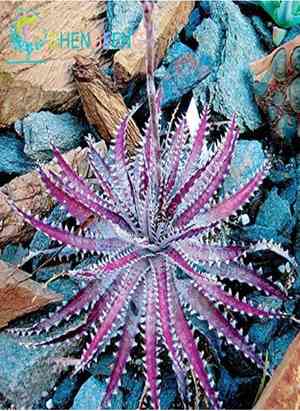
1
Truncate living stones flourish optimally in substrate with a pH level between 6 and 7.5.
2
These succulents require porous soil to avoid excessive moisture and fungal root issues.
3
Sanitizing the growing medium aids in warding off detrimental insects and illnesses that might impact your Truncate living stone.
What Type of Substrate is Ideal for Truncate living stone?
Substrate Composition
The optimal growing medium for Truncate living stone primarily includes gritty sand, gravel, and small stones blended with a minimal amount of organic matter. This composition emulates their natural desert habitat, allowing for sufficient air circulation around the root system and preventing densification. You can formulate a custom substrate by combining cactus potting mix with perlite or sand. Aim for a 2:1:1 ratio of cactus mix, coarse sand, and grit for best outcomes.
Drainage
Effective drainage is critical for the well-being of Truncate living stone. These succulents are highly vulnerable to root decay if kept in waterlogged soil. To enhance drainage, consider incorporating materials like pumice or perlite into the substrate blend. Furthermore, ensure your container features ample drainage openings at the base. This will permit surplus water to escape, replicating the well-drained conditions they experience in their native habitat.
pH Levels
Truncate living stone thrives in a substrate with a slightly acidic to neutral pH range, specifically between 6.0 and 7.5. You can assess your substrate using a home pH testing kit. If the substrate pH falls outside this range, modifications can be made. For instance, if the substrate is too acidic, adding lime can help neutralize it. Conversely, if the substrate is too alkaline, incorporating organic matter like peat moss can help to reduce the pH.
How to Prepare Substrate for Truncate living stone
Mixing Components
Crafting the perfect substrate blend for your Truncate living stone involves utilizing the correct ingredients in suitable ratios. Begin with cactus mix as your foundation. To this, incorporate coarse sand and grit or perlite in a 2:1:1 proportion. Blend these components thoroughly to ensure homogeneity. This mixture guarantees excellent aeration, drainage, and some organic content for nutritional support.
Sterilizing Substrate
Sterilizing the growing medium is a vital step to eradicate any pathogens, pests, or weed seeds that could harm your Truncate living stone. You can sanitize small quantities of substrate by spreading it on a baking sheet and heating it in an oven at approximately 180°F (82°C) for 30 minutes. Alternatively, for larger volumes, you can employ steaming techniques. This action helps ensure your plant begins its life in a healthy, pest-free environment.
Potting Procedure
To pot your Truncate living stone, select a shallow container with drainage holes and place a layer of small stones at the bottom to improve drainage. Fill the pot with your prepared substrate mixture, leaving some space at the top. Create a small depression and gently place the plant into the substrate. Cover the roots with the substrate mix, pressing it down lightly to secure the plant. Lightly water the pot to settle the substrate.
Maintaining Substrate Health for Truncate living stone
Monitoring Substrate Moisture
Maintaining appropriate substrate moisture is crucial for Truncate living stone. These succulents require minimal irrigation. During their active growth period (spring and autumn), water them sparingly, allowing the substrate to completely dry out between waterings. Overwatering can cause root rot, so it's essential to monitor moisture levels. A soil moisture probe can be a valuable aid to help determine when it's time to water.
Preventing Substrate Compaction
Substrate compaction can impede root development and aeration, negatively affecting your Truncate living stone. Prevent densification by ensuring your substrate blend contains sufficient coarse materials like sand and perlite. Additionally, avoid pressing down the substrate too firmly when potting and refrain from watering excessively, as this can compact the growing medium over time.
Using Top Dressing
Applying a top dressing can help regulate substrate temperature and retain moisture. However, for Truncate living stone, it's crucial to use top dressing sparingly and to select the correct type. Gravel or small pebbles function well as a top dressing for these plants, offering a protective layer while still permitting proper drainage and air circulation.
Common Substrate Problems for Truncate living stone and Solutions
Waterlogging
Waterlogging is a frequent issue that can lead to root decay in Truncate living stone. To prevent this, ensure your pot has adequate drainage holes and use a rapidly draining substrate blend. If you observe that the substrate remains moist for extended periods, reduce watering frequency and confirm the plant is in a well-ventilated location.
Nutrient Insufficiency
Although Truncate living stone requires minimal nutrients, an occasional nutrient deficit can occur. Indicators include yellowing foliage or stunted development. To resolve this, apply a diluted, balanced fertilizer once or twice during the growing season. Avoid excessive fertilization, as this can harm the plant.
Fungal Proliferation
Fungal proliferation can arise due to overwatering or inadequate drainage. If you notice mold or mildew on the substrate surface, remove the affected upper layer and reduce irrigation. To prevent fungal problems, ensure good air movement around the plant and avoid watering the foliage directly.



