Optimal Soil for Growing Glossy privet: What You Need to Know
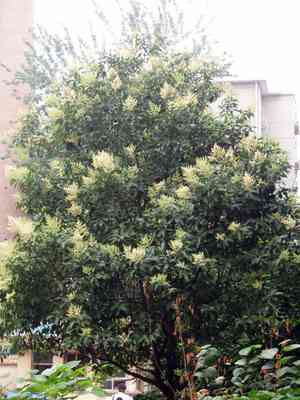
1
The glossy privet flourishes in soil that drains effectively, ideally with a pH ranging from 6.5 to 8.
2
Incorporating organic materials like compost can greatly improve the soil's richness and texture.
3
Frequent soil analysis aids in monitoring nutrient concentrations and maintaining proper pH.
Ideal Soil Composition for Glossy privet
Nutrient Requirements
For vigorous growth, Glossy privet necessitates soil rich in vital nutrients like nitrogen, phosphorus, and potassium. Nitrogen supports leaf development, phosphorus aids root expansion, and potassium boosts overall plant vitality and resilience. A balanced 10-10-10 (NPK) feed can satisfy these demands, especially if the soil is deficient.
pH Levels
Glossy privet tolerates a broad pH range but prefers slightly acidic to neutral conditions, specifically between 6.5 and 8. This pH range ensures nutrient availability and absorption. Regular pH testing kits can assist in maintaining the optimal soil pH. Should the pH be too low or too high, corrective actions can be implemented.
Texture and Drainage
The perfect soil for Glossy privet is well-draining yet retains adequate moisture. A loamy soil, which is an even blend of sand, silt, and clay, offers the best texture. Effective drainage is key to preventing root rot, so adding materials like perlite or coarse sand can enhance soil aeration and water flow.
How to Amend Soil for Glossy privet?
Organic Matter
Incorporating organic material such as compost, leaf mold, or aged manure can greatly enhance soil structure and fertility. Organic matter improves moisture retention, nutrient content, and microbial activity within the soil. Aim to mix organic material into the top 15-20 cm (6-8 inches) of soil prior to planting your Glossy privet.
Soil Conditioners
Soil improvers like peat moss, vermiculite, or biochar can be added to enhance soil characteristics. Peat moss helps increase the soil's capacity to hold moisture, vermiculite improves air circulation, and biochar fosters microbial life and nutrient retention. These conditioners can be blended into the soil during the planting process.
Adjusting pH
To modify soil pH, use lime to increase pH and sulfur to decrease it. For example, applying ground limestone can gradually elevate pH levels, making the soil less acidic. Conversely, elemental sulfur can lower the soil pH. Always follow specific directions for application amounts and retest the soil pH after a few weeks to monitor progress.
Signs of Poor Soil Health in Glossy privet
Yellowing Leaves
Yellowing foliage can signal a deficit of crucial nutrients such as nitrogen or iron. It may also indicate issues with soil pH, which influences nutrient accessibility. Consistent monitoring and soil analysis can help you address nutrient deficiencies before they negatively impact the plant's vitality.
Stunted Growth
Slow or inhibited growth often results from insufficient nutrients or poor soil composition. If the soil is compacted, roots cannot spread effectively, restricting plant development. Amending the soil with organic material and ensuring proper irrigation practices can help alleviate these problems.
Poor Flowering and Fruiting
If your Glossy privet struggles to bloom or bear fruit, it might be due to an imbalance in soil nutrients or pH. Sufficient phosphorus levels are essential for flowering and fruiting, so a soil test can reveal any shortages. Adjusting the soil accordingly can revitalize the plant's reproductive health.
Best Practices for Maintaining Soil Health
Regular Feeding
Supply your Glossy privet with a balanced fertilizer, such as a 10-10-10 blend, during its active growing period. Fertilizing in spring promotes robust development and replenishes nutrients that may have been depleted from the soil. Adhere to package instructions to prevent over-fertilization, which can harm the plant.
Mulching
Applying a layer of mulch around the base of Glossy privet helps retain moisture, stabilize soil temperature, and inhibit weed growth. Organic mulches like wood chips, straw, or bark that break down over time also add nutrients back into the soil. Be sure to keep the mulch a few centimeters (inches) away from the stem to prevent rot.
Routine Testing
Consistent soil testing is crucial for preserving optimal soil health. It assists you in monitoring nutrient levels and pH, allowing you to make informed decisions about soil enhancements. Testing every 1-2 years can keep your Glossy privet flourishing by providing it with the perfect growing conditions.



