Optimal Soil for Growing Japanese privet: What You Need to Know
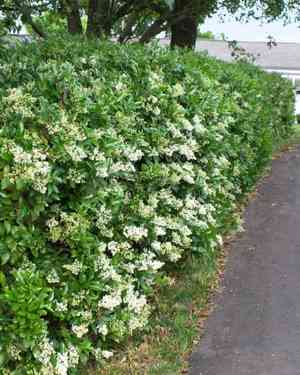
1
Keep soil pH within 6.5-7.5 range for best development.
2
Add organic material to enhance soil structure and richness.
3
Japanese privet thrives in soil that drains well to avoid root decay.
Optimal Soil Type for Japanese Privet
Well-Draining Substrate
The Japanese privet flourishes in soil that drains effectively, preventing roots from prolonged water exposure. This is vital to avert root rot and other moisture-related issues. To achieve good drainage, consider blending sand or perlite into your garden soil. If potting, ensure ample drainage holes.
Soil pH Range
Maintaining the correct soil pH is crucial for your Japanese privet's vitality. This plant prefers a slightly acidic to neutral pH, between 6.5 and 7.5. You can easily check your soil pH with a home test kit from garden centers. If the pH is too low (acidic), adding lime can raise it. Conversely, if too high (alkaline), sulfur or peat moss can lower it.
Soil Composition
An ideal soil composition for Japanese privet is rich in organic matter, loamy, and well-draining. This type of soil supplies essential nutrients and supports robust root development. A blend of garden soil, compost, and sand typically works well. Adding compost not only enriches the soil but also aids in moisture retention.
Enhancing Soil Quality for Japanese Privet
Organic Matter Integration
Incorporating organic matter into the soil significantly boosts its quality. This includes compost, manure, leaf mold, or well-decomposed leaves. Organic matter improves soil structure, fosters microbial activity, and increases nutrient availability. Aim to mix a generous amount into the planting area for the Japanese privet's benefit.
Mulching Strategies
Mulching is an excellent method to enhance soil quality and maintain your Japanese privet's health. A layer of mulch, such as wood chips, bark, or straw, helps retain moisture, suppress weeds, and gradually breaks down, adding organic material to the soil. Apply a 5-10 cm (2-4 inch) layer around the plant's base, keeping it clear of the immediate trunk to prevent rot.
Composting Practices
Creating and utilizing compost is among the best ways to boost soil fertility. Compost provides a rich source of organic material and nutrients for the Japanese privet. You can compost kitchen scraps, garden waste, and other organic materials. Once ready, mix it with your garden soil or use it as a top dressing around your plants.
Japanese Privet Soil Care Guidelines
Regular Soil Analysis
To ensure your soil remains optimal for Japanese privet, perform routine soil tests. These tests help monitor pH levels, nutrient content, and other key soil characteristics. Based on results, you can make necessary adjustments to maintain ideal conditions. Testing every one to two years is usually sufficient for home gardens.
Amendment Application Timing
Applying soil amendments at appropriate times significantly impacts plant health. Organic matter can be added in spring or fall. Lime or sulfur for pH adjustment should be applied several months before planting to allow time for changes. Develop a schedule based on your soil tests to keep your Japanese privet thriving.
Watering Techniques
Proper watering is crucial for maintaining healthy soil and plants. Ensure you water your Japanese privet deeply but infrequently, allowing the top few centimeters (inches) of soil to dry between waterings. Over-watering or standing water can cause root problems. A drip irrigation system can efficiently provide consistent moisture.
Common Soil Issues for Japanese Privet and Their Solutions
Compacted Soil
Compact soil impedes root growth and water penetration. To alleviate compaction, regularly till the soil or add aerating materials like coarse sand, perlite, or organic matter. Avoid heavy foot traffic or machinery over the root zone to prevent soil compaction.
Nutrient Deficiencies
Nutrient deficiencies can manifest as weak growth or discolored leaves. A balanced fertilizer application can help. If specific deficiencies are identified (e.g., nitrogen, phosphorus, potassium), use targeted fertilizers or soil amendments to correct them. Organic options like bone meal or blood meal are excellent choices.
Waterlogged Soil
Waterlogged soil can lead to root rot and other problems. Ensure your soil drains well by incorporating sand or perlite, and avoid overwatering. If you have clay-heavy soil, consider raised beds or improved drainage systems to keep the Japanese privet roots healthy.



