Optimal Soil for Growing Texas ranger: What You Need to Know
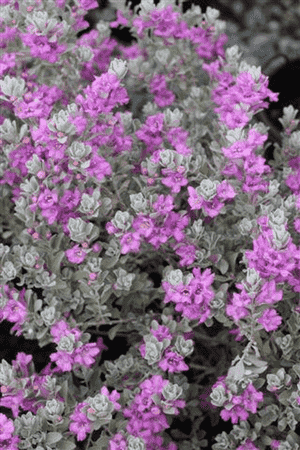
1
Texas ranger flourishes in permeable ground, making it ideal for water-wise landscaping.
2
Steer clear of heavy, clayey soils as they can cause root decay in Texas ranger.
3
Target a soil acidity level between 6.5 and 7.5 for optimal Texas ranger development.
Optimal Soil Types for Texas Ranger
Well-Draining Substrate
The primary factor for cultivating a thriving Texas ranger is ensuring it's situated in soil that drains effectively. This plant naturally flourishes in settings where the ground doesn't hold excessive moisture. Inadequate drainage can result in root rot, which is frequently fatal for the plant. Confirm that your soil can quickly shed surplus water, especially following heavy rainfall or irrigation.
Sandy and Gravelly Blends
Texas ranger performs exceptionally well in soil mixtures that are sandy and gravelly. These soil compositions emulate the plant's native habitat, offering the correct balance of nutrients and water drainage. A combination of coarse sand, small stones, and a small amount of organic material will establish an ideal environment for roots to respire while acquiring necessary nutrients.
Avoiding Clay-Based Substrates
Clay-rich soils are unsuitable for Texas ranger due to their dense and compact nature, which retains too much water. This can suffocate the roots and lead to health issues for the plant. If your garden soil is primarily clay, consider amending it with sand and organic matter to enhance its structure and drainage capabilities.
Preparing Soil for Texas Ranger Planting
Soil Analysis and Modifications
Prior to planting, it's vital to assess your soil's pH and nutrient content. A pH range of 6.5 to 7.5 is ideal for Texas ranger. Adjust the pH using lime to elevate it or sulfur to reduce it. Incorporating organic matter, such as compost or aged manure, can boost soil fertility and structure, ensuring a nutrient-rich setting for your plants.
Improving Soil Drainage
To enhance soil drainage, consider mixing coarse sand or perlite into the top 15-20 cm (6-8 inches) of the soil. This not only ensures better drainage but also improves root aeration. Elevated beds or mounds can also help facilitate superior water runoff, preventing roots from sitting in waterlogged soil.
Crafting the Perfect Soil Blend
An optimal soil blend for Texas ranger comprises one part coarse sand, one part small gravel, and one part organic matter. This mix provides excellent drainage while ensuring adequate water retention and nutrient availability. Combine these components thoroughly before planting to create a balanced growing medium.
Common Soil Issues for Texas Ranger and Their Solutions
Problems with Soil Compaction
Soil compaction can hinder root development and water penetration, leading to poor plant vitality. To address this, aerate the soil regularly by loosening it with a garden fork or an aeration tool. Adding organic matter can also alleviate compaction and improve soil structure.
Managing Insufficient Drainage
Poor drainage is a recurring challenge for many gardeners. Enhancing soil structure by incorporating sandy and gravelly materials can improve drainage. If problems persist, consider installing a drainage system or constructing raised beds to provide a more suitable growing environment for your Texas ranger.
pH Imbalances
Maintaining the soil's pH within the 6.5 to 7.5 range is crucial. pH imbalances can reduce nutrient accessibility, leading to deficiencies. Regular soil testing helps monitor pH levels, and appropriate amendments can be applied to adjust pH. Lime can be used to raise the pH, while sulfur or organic mulches can help lower it.
Soil Maintenance Tips for Robust Texas Ranger Growth
Consistent Soil Testing
Regular soil testing is vital for tracking pH levels and nutrient availability. Annual tests ensure that your soil remains within the optimal pH range and supplies the necessary nutrients for Texas ranger. This proactive approach can prevent potential issues before they affect the plant's health.
Mulching and Soil Aeration
Mulching aids in retaining soil moisture, suppressing weeds, and regulating soil temperature. Organic mulches, such as wood chips or straw, can gradually add nutrients as they break down. Additionally, consistent soil aeration prevents compaction, allowing roots to access the air and nutrients they require. Aerated soil promotes vigorous plant growth and vitality.
Organic Soil Enhancements
Incorporating organic amendments like compost, well-rotted manure, or leaf mold can significantly boost soil health. These materials improve soil structure, increase nutrient availability, and stimulate microbial activity, contributing to an ideal environment for Texas ranger to flourish. Regular applications of organic matter can sustain soil fertility long-term.



