Optimal Soil for Growing Perennial pea: What You Need to Know
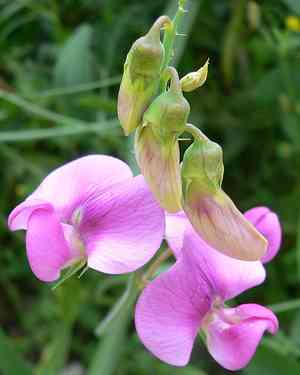
1
Perennial pea flourishes in soil that drains effectively, averting root decay.
2
The optimal soil acidity for Perennial pea spans from somewhat acidic to neutral, between 6.5 and 7.5.
3
Incorporating organic material can greatly enhance soil condition and plant development.
What Soil Type Does Perennial Pea Prefer?
Soil Makeup for Perennial Pea
The Perennial pea, often grown for its beautiful and abundant flowers, thrives in soil that drains well. This plant favors a loamy soil blend, which is a mix of sand, silt, and clay. This combination promotes good drainage while retaining sufficient moisture, which is vital for the plant's development. Sandy loam is an excellent option, as it allows excess water to escape, preventing root rot and other waterlogging problems. Ensuring the soil is fertile and rich in organic material will also support the vigorous growth of the Perennial pea.
Optimal pH Level for Perennial Pea Soil
Maintaining the correct pH level in the soil is essential for the health of Perennial pea. This plant prefers slightly acidic to neutral soil, with a pH range between 6.5 and 7.5. Soils within this range help the plant absorb vital nutrients more effectively, leading to healthier growth and more prolific blooms. Regular soil testing can help monitor and maintain the soil's pH level, ensuring ideal conditions for the Perennial pea.
Drainage Requirements for Perennial Pea
Adequate drainage is crucial when cultivating Perennial pea. Roots that sit in waterlogged soil can suffer from rot, leading to reduced plant health or even death. To ensure proper drainage, consider raised beds or planting on slopes where excess water can easily run off. Adding sand or perlite to the soil can also enhance its drainage properties, ensuring that water does not accumulate around the plant's roots. Consistently well-draining soil will keep the Perennial pea thriving and healthy.
Organic Matter and Nutrient Needs
Incorporating organic matter into the soil can significantly improve its quality and provide necessary nutrients for the Perennial pea. Compost, well-rotted manure, and leaf mold are excellent sources of organic material. These substances not only enhance soil structure and drainage but also slowly release nutrients that help the plant grow strong and produce vibrant flowers. Regularly amending the soil with organic matter will ensure that the Perennial pea has all the nutrients it needs to flourish.
How to Prepare Soil for Planting Perennial Pea
Assessing Soil Quality
Before planting Perennial pea, it's important to assess the soil quality. Soil testing helps determine the pH level, nutrient content, and overall health of your soil, allowing you to make necessary adjustments. Home soil test kits are widely available and simple to use. Alternatively, you can send soil samples to a local agricultural extension office for a more thorough analysis. Understanding the soil's composition will help you amend it correctly to meet the needs of the Perennial pea.
Amending the Soil
Once you have the results from your soil test, you might need to modify the soil to create the best growing conditions for Perennial pea. If the soil is too acidic or alkaline, you can add lime to increase the pH or sulfur to decrease it accordingly. To improve soil fertility and structure, mix in well-rotted compost or organic manure. These amendments will help create a nutrient-rich, well-draining medium that supports robust plant growth.
Steps for Soil Preparation
Preparing the soil for Perennial pea involves several stages. First, clear the planting area of weeds, rocks, and debris. Next, loosen the soil to a depth of about 30 centimeters (12 inches) to improve root penetration. Then, incorporate organic matter, such as compost or aged manure, into the soil to enhance its structure and nutrient content. Finally, ensure the soil is well-draining by adding sand or perlite if necessary. This thorough preparation will provide a strong foundation for your Perennial pea plants.
Common Soil Issues and Solutions for Perennial Pea
Addressing Poor Drainage
Poor drainage is a common problem that can impact the health of Perennial pea. If you observe water pooling around your plants, it indicates that the soil drainage needs improvement. You can remedy this by amending the soil with coarse sand or perlite to enhance its draining capabilities. Alternatively, consider creating raised beds or planting on a slope to facilitate better water runoff. Good drainage is vital to prevent root rot and promote a healthy growing environment.
Resolving Nutrient Deficiencies
Nutrient deficiencies can hinder the growth of Perennial pea and lead to poor flowering. Symptoms include yellowing leaves, stunted development, and reduced blooms. To address this, conduct a soil test to identify missing nutrients. Incorporating balanced, slow-release fertilizers and organic matter such as compost into the soil can help replenish key nutrients. Regular feeding throughout the growing season will support the plant's robust growth and flowering.
Correcting Soil pH Imbalances
Soil pH imbalances can interfere with nutrient absorption, affecting the health of Perennial pea. If the soil pH is outside the ideal range of 6.5 to 7.5, adjustments are necessary. For overly acidic soil, add agricultural lime to raise the pH. Conversely, if the soil is too alkaline, sulfur or organic matter can lower the pH. Regular monitoring and adjusting pH levels will help maintain a healthy growing environment for your Perennial pea and ensure nutrient availability.



