Optimal Soil for Growing Spotted Dead Nettles: What You Need to Know
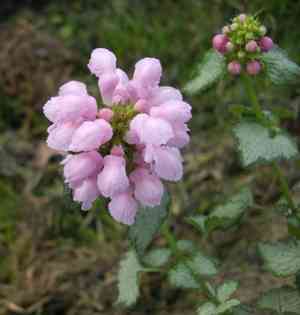
1
Spotted Dead Nettles thrive in soil that is mildly acidic to neutral, with a pH range of 6.5 to 7.5.
2
Incorporate organic compost or well-rotted manure to enhance soil structure and water permeability.
3
Periodic soil analysis assists in sustaining the optimal nutrient and pH levels for Spotted Dead Nettles.
Optimal Soil for Spotted Dead Nettles
Preferred Soil Texture
For cultivating Spotted Dead Nettles, the correct soil texture is essential. These plants flourish in soil that drains well yet holds some moisture without becoming waterlogged. The perfect texture combines sandy and loamy components. Sandy soil ensures good drainage, preventing water accumulation around roots, while loamy soil retains the right amount of moisture and nutrients. If your garden soil is mostly clay or very sandy, consider enriching it with organic materials like compost or peat moss to achieve a more balanced texture.
Ideal Soil pH Level
Spotted Dead Nettles prefer slightly acidic to neutral soil, with a pH range of 6.5 to 7.5. Maintaining this pH level allows the plant to absorb vital nutrients efficiently. It's wise to test your soil's pH before planting. If the pH is too low (acidic) or too high (alkaline), you can modify it. For acidic soil, adding lime can increase pH, while sulfur or peat moss can lower it if your soil is too alkaline. Regular pH checks help keep it within the desired range.
Nutrient Requirements
Spotted Dead Nettles are relatively low-maintenance but require a nutrient-rich environment to thrive. They need key nutrients like nitrogen, phosphorus, and potassium, which can be supplied via a balanced, slow-release fertilizer. Incorporating organic compost into the soil also provides these essential nutrients. Compost not only enriches the soil but also enhances its texture and water retention. Monitor soil nutrient levels regularly to ensure your plants receive what they need.
Preparing Soil for Spotted Dead Nettles
Soil Amendment Techniques
Amending your soil is the initial step in preparing it for Spotted Dead Nettles. Begin by testing your soil to determine its current pH and nutrient levels. Based on these results, you can adjust the soil accordingly. Adding organic compost is one of the best ways to improve soil fertility and structure. Well-rotted leaf mold or aged manure are also excellent choices. Mix these amendments into the top 6 to 12 inches (15-30 cm) of soil to ensure the roots of Spotted Dead Nettles have access to these nutrients.
Tips for Enhancing Soil Drainage
Good drainage is crucial for Spotted Dead Nettles to prevent root rot. If your garden's natural soil doesn't drain well, you can improve it with several methods. First, avoid compacting the soil by not walking on it when wet. Adding coarse sand or fine gravel can boost drainage, but be careful not to overdo it, as too much can cause the soil to dry out too quickly. Raised beds can also be an excellent solution for areas with poor drainage, as they allow excess water to escape more easily.
Ensuring Sufficient Organic Matter
Organic matter is vital for maintaining a healthy soil structure. It provides essential nutrients and helps retain moisture without causing waterlogging. Incorporate ample organic matter such as compost, decomposed leaves, or well-rotted manure into your soil. Aim to add about 2 to 4 inches (5-10 cm) of organic matter and mix it into the topsoil. This not only nourishes the Spotted Dead Nettles but also supports beneficial soil microorganisms and improves the overall soil ecosystem.
Soil Maintenance for Spotted Dead Nettles
Regular Soil Testing
Maintaining the correct soil conditions for Spotted Dead Nettles involves periodic soil testing. By testing the soil regularly, you can ensure it stays within the ideal pH range and has appropriate nutrient levels. You can buy a home soil test kit or send samples to a local agricultural extension office for a more detailed analysis. Based on the test results, adjust the pH and nutrient levels as needed to keep your plants healthy.
Mulching Practices
Mulching is an effective method to retain moisture, suppress weeds, and regulate soil temperature for Spotted Dead Nettles. Use organic mulches like straw, shredded bark, or compost. Apply a layer of mulch about 2 to 3 inches (5-7.5 cm) thick around the base of the plants, leaving a small gap around the stems to prevent rot. Mulching not only improves the soil but also adds organic matter as it breaks down, gradually enriching the soil structure.
Fertilizing Tips
While Spotted Dead Nettles don't require heavy fertilization, a balanced feeding regimen can enhance their growth and appearance. Apply a balanced, slow-release fertilizer in early spring as new growth begins. Avoid over-fertilizing, as this can lead to excessive foliage at the expense of flowers. Organic options like compost tea or fish emulsion can also provide a gentler nutrient boost. After the initial feeding, a light application of fertilizer once or twice during the growing season is usually sufficient.



