Optimal Soil for Growing Common rush: What You Need to Know
1
Common rush flourishes most effectively in soil with a pH range of 6 to 7.
2
For optimal growth of Common rush, consistently moist soil conditions are essential.
3
Aerate the soil around your Common rush regularly to avoid it becoming compacted.
What are the Perfect Earth Conditions for Common rush?
pH Ranges
Common rush thrives best within a pH range of 6 to 7. This slightly acidic to neutral level effectively supports the plant's nutrient absorption. Utilize a pH meter or soil analysis kit to routinely verify the soil stays within this spectrum for prime development.
Soil Structure and Makeup
Common rush favors grounds rich in organic matter with a loamy feel. The best mix includes sand, silt, and clay, which holds moisture while still allowing proper drainage. Adding compost or well-rotted organic material can boost soil texture and supply vital nutrients.
Humidity Needs
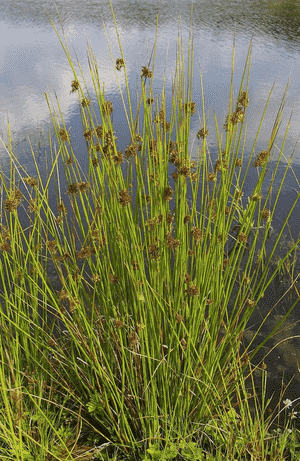
Common rush flourishes in consistently damp soils. It's typically found in marshy areas and riverbanks where the ground is seldom dry. Whether in a pond-side garden or a low-lying bed, ensure the soil remains moist through regular watering or by creating a water-retentive setting.
How to Get Soil Ready for Planting Common rush
Soil Analysis
Before placing Common rush, begin with a soil test to determine its current pH and nutrient levels. This data will guide you in making necessary corrections. You can buy a soil testing kit from garden centers or send samples to local agricultural extensions for thorough evaluation.
Improvements and Supplements
Based on the soil test outcomes, you might need to modify the soil to meet Common rush's needs. If the pH is too high or low, apply lime or sulfur, respectively, to adjust it. Incorporating organic materials like compost or aged manure enhances soil fertility and structure, creating an optimal environment for the plant.
Establishing the Best Environment
To establish an optimal soil environment for Common rush, ensure adequate moisture retention and air circulation. This can be achieved by adding materials that enhance water holding capacity and reduce compaction, such as peat moss or coir. Mulching around the plant's base helps preserve soil moisture and provides a steady nutrient supply as it breaks down.
Maintaining Soil Vitality for Common rush
Regular Soil Ventilation
Routinely aerate the soil to promote robust root growth and improve water infiltration. Use a garden fork or aeration tools to loosen the earth around the Common rush, preventing compaction and ensuring roots receive adequate oxygen.
Nutrient Management
Oversee soil nutrients to ensure continuous growth and vigor of Common rush. Incorporate balanced fertilizers that supply essential macro and micronutrients. Organic fertilizers like compost or fish emulsion release nutrients slowly and improve soil structure.
Mulching Practices
Mulching is a crucial practice for maintaining soil health for Common rush. Apply a layer of organic mulch, such as bark chips or straw, around the plant's base. Mulching helps retain soil moisture, suppresses weed growth, and gradually enriches the soil as it decomposes.
Typical Soil Issues and Solutions for Common rush
Soil Compression
Compressed soil can hinder root development and decrease oxygen availability. To counteract this, regularly aerate the soil, especially in areas with heavy foot traffic. Incorporate organic matter like compost to improve soil structure and alleviate compaction.
Drainage Difficulties
Despite requiring moist soil, Common rush does not thrive in waterlogged conditions. If the planting area has poor drainage, consider raised beds or adding sand and organic matter to the soil to improve percolation. Proper drainage ensures the roots are not sitting in stagnant water.
Nutrient Deficiencies
Yellowing leaves or stunted growth often signal nutrient shortages. Perform soil tests to pinpoint specific nutrient gaps and amend the soil accordingly. Utilize balanced organic fertilizers or specific nutrient amendments, such as bone meal for phosphorus or kelp extract for potassium, to replenish lacking elements.



