Optimal Soil for Growing Yellow flag: What You Need to Know
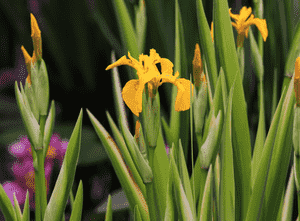
1
Yellow flag flourishes in consistently moist earth and is resilient to inundation.
2
Strive for a soil acidity level between 6 and 7 for optimal developmental outcomes.
3
Incorporating organic material can greatly enhance soil composition and nutritional value.
Optimal Soil for Yellow Flag Cultivation
Loamy Soil
Loamy soil is frequently considered the top choice for cultivating Yellow flag. It merges advantages from various soil types, providing balanced drainage and nutrient availability. Loam is typically composed of approximately 40% sand, 40% silt, and 20% clay, fostering an ideal setting for root development. This soil type retains adequate moisture while allowing sufficient drainage to prevent root decay.
Clay Soil
Clay soil, despite its heaviness and density, can also effectively support Yellow flag. Due to its fine particles, clay soil holds onto nutrients and water more efficiently than sandy or silty soils. However, it can become compacted and waterlogged. To ensure robust growth, it's advisable to amend clay soil with organic matter or sand to enhance its texture and drainage capabilities.
Sandy Soil
Sandy soil features large particles and feels coarse to the touch. While it offers excellent drainage, which helps prevent root diseases in wet conditions, it does not retain nutrients or water very effectively. For Yellow flag, enrich sandy soil with organic compost or manure to boost its water retention capacity and fertility.
Methods for Soil Improvement for Yellow flag
Improving Drainage
Adequate drainage is vital for cultivating Yellow flag, especially in soils rich in clay. You can enhance drainage by incorporating coarse sand, perlite, or gravel into your soil blend. Additionally, contemplate constructing raised beds to facilitate better water movement and prevent waterlogging around the root systems.
Enhancing Nutrient Content
To ensure your Yellow flag plants receive all necessary nutrients, enriching the soil is crucial. Utilize well-decomposed organic matter such as aged manure, leaf mold, or kitchen compost. These organic materials not only supply essential nutrients but also improve soil structure and aeration. Regularly top-dress the soil with compost to maintain its richness.
Adjusting pH Levels
For prime growth, Yellow flag prefers a slightly acidic to neutral pH range, ideally between 6 and 7. Assess your soil's pH using a soil testing kit. If the pH is too low (acidic), you can elevate it by incorporating lime. Conversely, if the pH is too high (alkaline), sulfur or peat moss can help reduce it. Adjusting the pH ensures that nutrients are readily available for plant uptake.
Preferred Soil Conditions for Yellow flag
Moisture Levels
Yellow flag plants flourish in consistently damp soil. They are well-suited for marshlands, pond edges, and other areas that stay wet year-round. If you are cultivating Yellow flag away from a natural water source, ensure frequent irrigation to maintain adequate soil moisture.
Fertility
Soil rich in nutrients greatly benefits Yellow flag growth. Consistent application of organic compost or well-rotted manure helps keep the soil fertile. These additions supply crucial nutrients like nitrogen, phosphorus, and potassium, ensuring that the plants remain vigorous and healthy.
Organic Matter
High levels of organic matter improve Yellow flag health by enhancing soil structure, water retention, and nutrient content. Materials such as peat moss, leaf mold, or aged manure can be mixed into the soil. The organic matter gradually breaks down, continuously enriching the soil and supporting vigorous plant development.
Assessing Soil Suitability for Yellow flag
Soil Testing Kits
Employing a soil testing kit offers a simple and cost-effective way to determine your soil's pH and nutrient content. These kits are easily found at garden centers and provide rapid results. Adhere to the instructions to gather soil samples from various sections of your garden for a thorough assessment.
Professional Soil Analysis
For a comprehensive and precise understanding of your soil, consider professional soil analysis. Local agricultural extension services or private laboratories can offer detailed soil tests, including recommendations for necessary amendments to optimize your soil for Yellow flag cultivation.
DIY Soil Tests
If you favor a hands-on approach, several homemade methods can help you gauge your soil's characteristics. For instance, you can evaluate soil drainage by digging a hole, filling it with water, and observing the rate at which it drains. For pH testing, a mixture of soil and vinegar can offer a rough indication of acidity if bubbling suggests alkaline conditions.



