Optimal Soil for Growing Japanese Iris: What You Need to Know
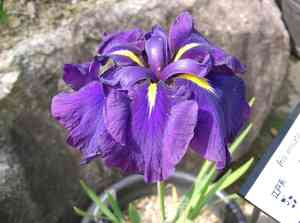
1
Japanese Iris flourishes best in soil maintaining a pH level between 6 and 7.
2
Incorporating compost can enrich the soil with nutrients and improve its composition.
3
Seek soil that holds water effectively yet allows for good drainage to avoid root decay.
Optimal Soil Type for Japanese Iris Cultivation
Ground Makeup
When getting soil ready for your Japanese Iris, it's vital to achieve the ideal composition. The most suitable soil is loamy and rich in organic matter. This involves blending in generous amounts of compost or decomposed manure to ensure the soil is fertile and balanced. Loamy soil possesses the perfect blend of sand, silt, and clay to hold the correct amount of moisture while also enabling proper drainage.
Soil Acidity Level
Understanding the appropriate pH level is critical for the well-being of your Japanese Iris. This plant prefers soil that is slightly acidic to neutral, ideally within a pH range of 6 to 7. You can assess your soil's pH level with an easy home testing kit, available at most garden centers. If the pH is too low (acidic), adding lime can assist. If it's too high (alkaline), you can use sulfur or peat moss to reduce it.
Moisture Retention Capabilities
Appropriate moisture retention is crucial for the development of Japanese Iris. These plants flourish in soil that stays consistently damp but not waterlogged. This equilibrium can be achieved through the application of organic mulch, which aids in retaining moisture and regulating soil temperature. A layer of mulch spread around the plant bases will keep the roots cool and moist, promoting healthier growth.
Amending Soil for Japanese Iris: A Guide
Enhancing Water Flow
Ensure your soil possesses adequate drainage to prevent root rot, a frequent problem with Japanese Iris. You can improve drainage by incorporating sand or perlite into the soil blend. These components increase the soil's porosity, allowing excess water to drain away more effectively. Elevated beds or planting on inclines can also boost drainage, stopping water from pooling at the roots.
Boosting Nutrient Content
To provide your Japanese Iris with the necessary nutrients, consistently enrich the soil with organic materials. Compost, leaf mold, and well-rotted manure are excellent options that return vital nutrients to the ground. Regularly tilling the soil and incorporating these materials helps maintain soil fertility and encourages a robust root system.
Modifying pH Values
If your soil's pH level falls outside the optimal range of 6 to 7, adjustments will be required. For acidic soil, gradually add lime to increase the pH. Conversely, sulfur or organic materials like peat moss can decrease the pH if it's excessively high. Always retest the soil after modifications to ensure it reaches the desired pH level for your Japanese Iris.
Frequency of Soil Amendments for Japanese Iris
Seasonal Considerations for Amendments
Amending soil for Japanese Iris should be a recurring seasonal task. It's best to prepare and modify the soil in early spring before the growing period commences. This timing guarantees that the plants have the finest possible conditions for root development and growth. Late autumn is also a suitable time for soil amendments, as it allows the soil to absorb and integrate nutrients over the winter.
Monitoring Soil Vitality
Consistent monitoring of soil health is fundamental. Periodically check pH levels, moisture content, and overall soil structure. Should you observe any deficiencies or imbalances, take swift action to amend the soil. This proactive strategy assists in maintaining ideal conditions for your Japanese Iris and promotes more vigorous, vibrant plants.
Common Soil-Related Issues Affecting Japanese Iris
Ineffective Drainage Problems
One of the most frequent challenges encountered by Japanese Iris cultivators is inadequate drainage. Indicators of this issue include yellowing foliage and stunted development. To address poor drainage, consider installing drainage pipes or creating raised beds to elevate the plant above the water table. Amending the soil with sand or perlite can also improve aeration and water movement.
Soil Compaction Effects
Compacted soil impedes root growth and nutrient absorption. Symptoms of soil compaction include sparse growth and diminished flowering. To alleviate compaction, regularly aerate the soil using a garden fork or aerator. Introducing organic matter such as compost or leaf mold also helps to break up heavy soils, enhancing structure and aeration.
Nutritional Deficiencies
Nutrient shortages manifest as discolored leaves and weak growth. Regular fertilization with a balanced fertilizer formulated for irises can help. An organic alternative is adding compost or well-rotted manure to replenish essential nutrients. Monitoring soil nutrients and making necessary adjustments ensures your Japanese Iris receive the nourishment they require.



