Optimal Soil for Growing Bigleaf hydrangea: What You Need to Know
1
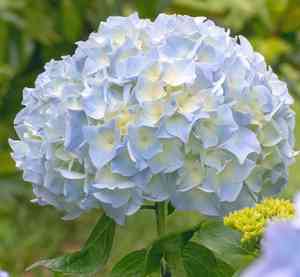
The hue of a Hydrangea bloom may vary depending on the soil's acidity or alkalinity.
2
Bigleaf hydrangea flourishes in fertile, well-draining soil with ample organic material.
3
Maintaining steady dampness is crucial, though prevent excessive wetness to safeguard against root decay.
Optimal Soil Blend for Bigleaf Hydrangea
Loamy Soil
The perfect soil for Bigleaf hydrangea is a loamy type. Loamy soil is a balanced mix of sand, silt, and clay, creating an ideal setting for root development and nutrient absorption. This soil type holds moisture well without becoming saturated, a vital characteristic for thriving hydrangeas. Incorporating garden loam into existing soil can enhance its texture and fertility.
Well-Draining
Well-draining soil is crucial for cultivating Bigleaf hydrangea. Although hydrangeas prefer consistent moisture, they cannot tolerate standing water. Poorly drained soil can lead to root rot, a condition harmful to plant vitality. To ensure proper drainage, amend the planting area with perlite or coarse sand. Elevated garden beds can also be an effective method to improve drainage.
Organic Matter
Bigleaf hydrangea greatly benefits from soil abundant in organic matter. Components such as compost, leaf mold, and well-decomposed manure enhance soil structure, moisture retention, and supply vital nutrients. Organic matter also stimulates beneficial microbial activity, optimizing nutrient availability for the plant. Integrate a generous amount of compost into your hydrangea's planting site to encourage luxuriant, healthy growth.
pH Levels and Their Impact on Bigleaf Hydrangea
Optimal pH Range
For prime growth, the ideal soil pH for Bigleaf hydrangea falls between 6.5 and 7.5. This slightly acidic to neutral range facilitates nutrient uptake, leading to more robust plants. Regularly checking your soil's pH and making necessary adjustments ensures your hydrangeas remain vibrant and strong.
Adjusting Soil pH
Modifying soil pH requires careful attention. If your soil is too acidic (below 6.5), incorporate garden lime to elevate the pH. Conversely, if your soil is too alkaline (above 7.5), sulfur or aluminum sulfate can help decrease the pH. Always adhere to product guidelines and re-test the soil after alterations to guarantee you achieve the desired pH level.
Flower Color Influence
The soil's pH directly affects the bloom color of Bigleaf hydrangea. Acidic soil (lower pH) typically produces blue flowers, while alkaline soil (higher pH) results in pink blossoms. If you prefer blue blooms, you can reduce soil pH by adding aluminum sulfate. For pink flowers, increase the pH by adding garden lime. This fascinating aspect of hydrangea care allows gardeners to customize their flower hues through soil management.
Moisture and Drainage Needs for Bigleaf Hydrangea
Consistent Moisture
Bigleaf hydrangea needs consistent moisture, especially during its active growth period. The goal is to keep the soil damp but not waterlogged. Applying a 2- to 3-inch (5 to 7.5 cm) layer of mulch around the plant's base can help maintain soil moisture and lessen the need for frequent irrigation. Consider using organic mulch like wood chips or straw.
Preventing Waterlogging
While steady moisture is vital, waterlogging can be detrimental. Root rot is a common issue in poorly drained soils. Ensure your planting location has excellent drainage by incorporating materials such as perlite or sand if needed. Avoid planting hydrangeas in spots where water tends to collect, as this can create a waterlogged environment harmful to the plant's health.
Soil Enhancements for Bigleaf Hydrangea
Compost and Manure
Adding compost and well-rotted manure to the soil can greatly benefit Bigleaf hydrangea. These organic enrichments improve soil structure, boost nutrient content, and enhance water retention capabilities. Before planting, mix a 2- to 3-inch (5 to 7.5 cm) layer of compost or manure into the top 8 to 12 inches (20 to 30 cm) of soil. This practice ensures a nutrient-rich environment that supports vigorous hydrangea growth.
Mulching
Mulching is an effective soil amendment technique for Bigleaf hydrangea. A layer of mulch, approximately 2 to 3 inches (5 to 7.5 cm) thick, helps conserve soil moisture, regulate soil temperature, and suppress weed growth. Organic mulches such as bark, compost, or leaf mold are ideal, as they gradually decompose and enrich the soil with nutrients over time.
Slow-Release Fertilizers
To maintain the health and vitality of Bigleaf hydrangea, consider using slow-release fertilizers. These fertilizers provide a steady supply of essential nutrients over an extended duration. Select a balanced, slow-release fertilizer and apply it according to the manufacturer's instructions. This ensures your hydrangea receives the necessary nutrients without the risk of over-fertilization, which can harm the plant.



