Optimal Soil for Growing Smooth hydrangea: What You Need to Know
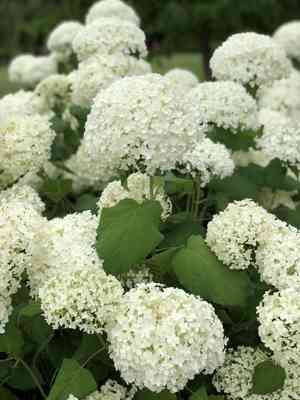
1
Smooth hydrangea prefers a soil pH ranging from 6.5 to 7.5 for best nutrient uptake.
2
Loamy, well-draining soil is essential for Smooth hydrangeas to avoid root decay.
3
Adding organic materials such as compost greatly enhances soil quality and richness for Smooth hydrangea.
Optimal Soil Type for Smooth Hydrangea
Preferred Soil pH
For Smooth hydrangea, maintaining the correct soil pH is vital. These plants favor a pH range of 6.5 to 7.5. A pH within this range enables them to absorb essential nutrients effectively, leading to robust growth and more vivid blooms. You can assess the soil pH using a home testing kit or by submitting a sample to a local extension service.
Ideal Soil Texture
Smooth hydrangeas flourish best in loamy soil. Loamy soil is a balanced mix of sand, silt, and clay, providing a structure that supports proper root development and nutrient uptake. This texture ensures the soil is loose enough for roots to expand freely while also retaining sufficient moisture to keep the plants hydrated.
Drainage Requirements
Adequate drainage is crucial for optimizing the soil for Smooth hydrangea. Excessive water can lead to root rot, which is detrimental to plant health. Ensure the planting site has well-draining soil by amending it with organic matter if needed. Raised beds or adding gravel at the base of the planting hole can also help improve drainage.
Preparing Soil for Smooth Hydrangea Planting
Checking Soil pH
Before planting your Smooth hydrangea, it's essential to test the soil pH. Utilize a home test kit or consult your local cooperative extension service for an accurate reading. If the pH falls outside the 6.5-7.5 range, you'll need to modify it. Lime can be added to increase pH, while sulfur or organic matter can decrease it.
Soil Enhancements
Amending soil for Smooth hydrangea involves incorporating materials to improve its composition and pH. Organic matter such as compost, well-decomposed manure, or leaf mold enriches the soil, boosting its structure and nutrient content. These amendments help retain moisture while ensuring good aeration.
Improving Soil Structure
Enhancing soil structure is vital for the health of your Smooth hydrangea. If your soil is too clay-like, consider mixing in sand or perlite to improve drainage and texture. For sandy soils, adding organic matter will enhance water retention and nutrient availability. A well-structured soil ensures vigorous root growth and overall plant vitality.
Ensuring Proper Drainage
To ensure proper drainage, consider your garden's topography and composition. Raised beds can be an excellent solution, offering better control over soil conditions. Additionally, incorporating organic matter and ensuring the planting area is not in a low spot where water can accumulate will help keep the roots healthy.
Beneficial Soil Additives for Smooth Hydrangea
Organic Matter
Adding organic matter like compost, aged manure, or leaf mold enriches the soil by increasing its nutrient content and improving its structure. Organic matter boosts microbial activity, which in turn makes nutrients more available to Smooth hydrangeas. Aim to work in 2-3 inches (5-7 cm) of organic matter into the top 12 inches (30 cm) of soil.
Mulching
Mulching around Smooth hydrangea plants helps retain soil moisture, regulate temperature, and suppress weeds. Use organic mulches like bark chips, straw, or compost. Apply a 2-3 inch (5-7 cm) layer around the base of the plant, making sure to keep it a few inches away from the stem to prevent rot and pests.
Fertilization
Fertilizing Smooth hydrangea is important for vibrant blooms and healthy growth. Use a balanced, slow-release fertilizer to provide a steady nutrient supply. Apply it in early spring and again in mid-summer. Over-fertilization can harm the plants, so follow the recommended rates on the fertilizer package.
Maintaining Soil Health for Smooth Hydrangea
Regular Soil Testing
Regular soil testing helps track pH levels and nutrient availability. Test your soil every 2-3 years to adjust your soil management practices accordingly. This ensures that your Smooth hydrangea has the best possible environment for growth.
Monitoring Soil Moisture
Soil moisture is crucial for the health of your Smooth hydrangea. Use a moisture meter to check soil conditions regularly. Keep the soil consistently moist but not waterlogged, especially during dry periods. Mulching can help maintain moisture levels.
Seasonal Soil Care
Seasonal soil care includes practices like adding compost in the fall and mulching in the spring. In the winter, avoid disturbing the soil too much to prevent erosion and compaction. By following seasonal care routines, you'll keep your soil healthy year-round, ensuring your Smooth hydrangea thrives.



