Optimal Soil for Growing August lily: What You Need to Know
1
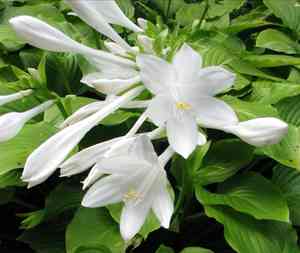
Hostas flourish in soil that drains effectively and is rich in nutrients, with a pH range of 6.5 to 7.5.
2
To enhance the soil's ability to drain water, incorporate materials like coarse sand or perlite into your planting mix.
3
Periodically check your soil's pH level and modify it with lime to increase alkalinity or sulfur to boost acidity.
Optimal Soil Type for August Lily
Soil Composition
The August lily thrives in soil rich in organic matter. This can be achieved by blending compost, peat moss, or well-decomposed manure into your garden earth. Organic materials not only enrich the soil but also refine its structure, making it more favorable for root development. This plant also benefits from soil with balanced nutrients, which aid in sustaining its growth and vibrant flowers.
Soil Texture
Soil texture is another critical aspect for cultivating August lily. Ideally, the soil should be loamy, offering an ideal mix of sand, silt, and clay. This type of soil structure allows for efficient water retention while also ensuring adequate aeration, which is essential for root vitality. If your garden soil is excessively heavy clay or too sandy, amending it with organic matter or commercial loam will help achieve the desired consistency.
Ensuring Proper Soil Drainage for August Lily
Importance of Drainage
Effective drainage is crucial for growing August lily because standing water can lead to root rot and other fungal ailments. Well-drained soil ensures that roots receive ample oxygen while excess water is quickly removed, preventing waterlogging and fostering optimal growth.
Techniques to Improve Drainage
To enhance drainage, you can integrate coarse sand, perlite, or small gravel into your soil. Elevated beds can also aid in improving drainage by preventing water from collecting around the plant's roots. Additionally, mulch can be utilized to maintain moisture levels without saturating the soil.
Best pH Level for August Lily Soil
Ideal pH Range
August lily prefers soil with a pH level between 6.5 and 7.5. This slightly acidic to neutral pH range enables the plant to absorb vital nutrients more effectively, promoting its overall health and development.
Testing Soil pH
Routine soil pH testing is a straightforward yet effective method to ensure your soil remains within the appropriate pH range for August lily. You can use a home testing kit or submit a sample to a local extension service for a more comprehensive analysis. Monitoring pH levels assists in timely interventions if adjustments are necessary.
Adjusting Soil pH
If your soil pH is outside the ideal range, modifications can be made. To increase the soil pH, add lime (calcium carbonate) to the soil. To decrease the pH, you can use sulfur or aluminum sulfate. Always adhere to the manufacturer's instructions and re-test the soil pH after a few weeks to confirm effectiveness.
How to Amend Soil for August Lily
Organic Amendments
Utilizing organic amendments such as compost, leaf mold, and aged manure can significantly boost soil fertility and structure. These amendments elevate organic matter content, enhancing moisture retention and nutrient availability.
Inorganic Amendments
Inorganic amendments like perlite, vermiculite, and coarse sand can be employed to alter soil texture and improve drainage. These materials are particularly beneficial when dealing with overly heavy or compacted soils.
When and How to Amend
Soil amendments should typically be incorporated into the soil prior to planting August lily. Blend the amendments thoroughly with the existing soil to a depth of approximately 20-30 cm (8-12 inches). Periodically, additional amendments may be added to sustain soil health, ideally in the autumn when preparing for the subsequent growing season.
Common Soil Problems and Solutions for August Lily
Compaction Issues
Soil compaction can impede root growth and reduce aeration, leading to poor plant vitality. To alleviate compaction, consider aerating the soil using a garden fork or mechanical aerator. Incorporating organic matter can also assist in lessening compaction.
Nutrient Deficiencies
Yellowing foliage or stunted growth in August lily can signal nutrient deficiencies. A balanced, slow-release fertilizer can help address this. Soil testing can uncover specific deficiencies, allowing for targeted amendments such as adding nitrogen, phosphorus, or potassium as required.
Managing Pests and Diseases
Healthy, well-maintained soil serves as the primary defense against pests and diseases. However, should issues arise, treat accordingly: use neem oil or insecticidal soap for pests and fungicides for fungal infections. Practicing crop rotation and removing diseased plant material can also help manage soil-borne diseases.



