Optimal Soil for Growing Swamp rose mallow: What You Need to Know
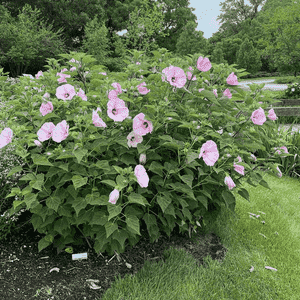
1
Swamp rose mallow flourishes in soil that drains effectively and is abundant in organic matter.
2
The optimal soil pH range for Swamp rose mallow is from somewhat acidic to neutral, specifically 6.5 to 7.5.
3
Consistent additions of soil amendments and applying mulch can greatly enhance soil quality and plant development.
What Soil Type Does Swamp Rose Mallow Prefer?
Soil Makeup
For Swamp rose mallow, the soil's composition is key. This plant thrives in soil rich in organic matter and with good drainage. Consider soils with a healthy mix of compost or leaf mold to supply necessary nutrients. Organic material not only feeds the plant but also enhances soil texture and water retention.
Moisture Needs
Moisture is vital for Swamp rose mallow's growth. True to its name, it flourishes in damp conditions, making it ideal for consistently moist but not waterlogged areas. It's crucial to keep the soil uniformly moist while ensuring adequate drainage to prevent root rot.
pH Levels
Maintaining the correct soil pH is essential for Swamp rose mallow's optimal health. The plant prefers a pH range of 6.5 to 7.5, which is slightly acidic to neutral. Soil pH significantly impacts nutrient availability, and staying within this range ensures proper nutrient absorption.
Preparing Soil for Swamp Rose Mallow Planting
Selecting the Right Spot
Choosing an appropriate location for planting Swamp rose mallow is the first step to success. Pick a site that gets full sun to partial shade. Sufficient light promotes strong growth and abundant blooms. Also, select a spot that naturally holds moisture without becoming waterlogged.
Amending the Soil
Before planting, it's vital to amend the soil to meet Swamp rose mallow's specific requirements. Incorporating organic matter like compost or well-rotted manure can greatly improve soil fertility and texture. If your soil is heavy clay, consider adding perlite or coarse sand to boost drainage.
Drainage Considerations
Swamp rose mallow needs well-draining soil to avoid waterlogging and root rot. Ensure your planting area has good drainage by observing how water absorbs after rain. Using raised beds or amending the soil with coarse materials like sand can help improve drainage.
Common Soil Problems for Swamp Rose Mallow
Soil Compaction
Soil compaction is a common issue that can harm Swamp rose mallow's health. Compacted soil restricts root growth and reduces the soil's capacity to hold and transport water and nutrients. Regularly aerate the soil and avoid walking on the planting area to prevent this problem.
Poor Drainage
Poor drainage is another frequent problem for Swamp rose mallow. This plant prefers moist, not waterlogged, soil. Address drainage issues by amending the soil with sand or using raised beds. Mulching around the plant's base can also help manage moisture levels.
Nutrient Deficiencies
Nutrient deficiencies can show as yellowing leaves, stunted growth, and poor flowering. Periodically test your soil and amend it with balanced fertilizers or organic matter to ensure the plant receives essential nutrients.
Maintaining Soil Health for Swamp Rose Mallow
Regular Soil Testing
Regularly checking your soil's health is crucial for Swamp rose mallow to thrive. Conducting periodic soil tests helps you understand its nutrient content and pH levels, enabling informed decisions on necessary adjustments.
Using Mulch
Mulching is an excellent practice for maintaining soil health. Apply a layer of organic mulch, such as wood chips or straw, around your Swamp rose mallow. Mulch helps retain soil moisture, suppresses weeds, and gradually adds organic matter to the soil as it breaks down.
Fertilization Tips
While Swamp rose mallow isn't highly demanding in terms of feeding, applying a balanced fertilizer during the growing season can enhance growth and flowering. Organic options like compost tea or fish emulsion offer a gentle, nutrient-rich alternative to synthetic fertilizers.



