Optimal Soil for Growing Zebra plant: What You Need to Know
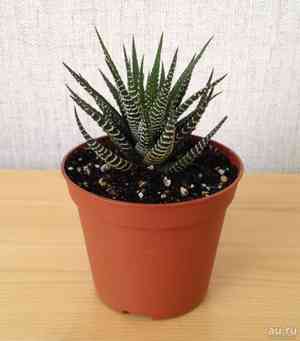
1
Confirm adequate drainage for your Zebra plant's soil to avoid root decay.
2
The optimal soil acidity for Zebra plant falls between 6.0 and 7.5 pH.
3
Combine sand and perlite into cactus soil to achieve the ideal substrate consistency.
Why is Substrate Essential for Aphelandra squarrosa?
Nutrient Absorption
The soil serves as the primary medium for your Zebra plant to absorb nutrients. A well-composed substrate ensures that crucial elements like nitrogen, potassium, and phosphorus are readily available. This is vital for the plant's development, vitality, and overall robustness.
Moisture Retention
Water retention is another crucial aspect of the growing medium that influences the Zebra plant. The substrate must be capable of holding sufficient moisture for hydration while also allowing excess water to drain to avert root decay. The correct equilibrium helps maintain ideal hydration levels.
Root Oxygenation
Adequate root aeration is critical for your Zebra plant. The substrate should possess a loose consistency that permits air circulation around the root system. This oxygen supply is indispensable for root health and preventing fungal infections.
Key Substrate Characteristics for Aphelandra squarrosa
Free-Draining Substrate
The growing medium for the Zebra plant must be free-draining to prevent water accumulation. Stagnant water can lead to root rot, which is harmful to the plant. Blending substrate components that promote drainage is key to maintaining a vigorous plant.
Substrate pH Level
The optimal substrate pH for Zebra plant ranges from 6.0 to 7.5. This slightly acidic to neutral pH ensures the plant can effectively take up nutrients. You can easily test substrate pH with an at-home kit and adjust as necessary.
Substrate Consistency
Texture plays a significant role in the suitability of the growing medium for Zebra plant. The substrate should have a gritty, sandy consistency that promotes drainage and root oxygenation. Avoid dense, clay-like substrates that retain too much moisture.
Components of the Ideal Growing Mix for Aphelandra squarrosa
Cactus Blend
A good cactus blend makes an excellent base substrate for the Zebra plant. These mixes are formulated to drain effectively and contain the appropriate balance of nutrients typically found in the plant's native environment.
Coarse Sand
Incorporating coarse sand into your substrate mix enhances its drainage capabilities. Sand helps to achieve the gritty consistency necessary for preventing moisture retention and fostering air circulation around the roots.
Perlite or Pumice Granules
Perlite or pumice can be added to further improve substrate aeration and drainage. These components are lightweight and help keep the growing mix loose, promoting root vitality.
How to Improve Substrate for Aphelandra squarrosa
Enhancing Drainage
To enhance substrate drainage, incorporate materials such as perlite, pumice, or coarse sand. These materials help water pass through the substrate more readily, preventing saturation.
Modifying pH
Adjusting the substrate pH for your Zebra plant can be accomplished by adding lime to increase the pH or sulfur to decrease it. Periodically test the substrate to ensure it remains within the optimal range of 6.0 to 7.5.
Supplementing Nutrients
You can enrich your substrate's nutrient content by adding organic matter like compost or well-decomposed manure. These additions supply vital nutrients and improve substrate structure.
Common Substrate Issues for Aphelandra squarrosa
Substrate Compaction
Substrate compaction can hinder root development and water penetration. To prevent this, avoid pressing the growing medium too firmly when planting and consider regular substrate aeration methods.
Overwatering/Waterlogging
Waterlogging is a significant issue caused by inadequate drainage. Utilizing a well-draining substrate, monitoring watering habits, and ensuring pots have drainage holes can help prevent this problem.
Nutrient Deficiencies
Nutrient deficiencies can manifest as faded leaves or stunted development. Regularly fertilizing with a balanced formulation and adding organic matter to the substrate can remedy this issue.



