Optimal Soil for Growing Common globe amaranth: What You Need to Know
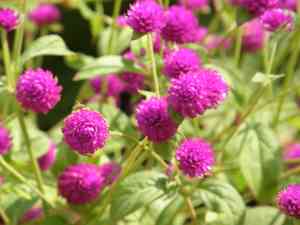
1
For optimal growth, common globe amaranth prefers a soil acidity between 6.5 and 7.5.
2
Adding organic compost can greatly improve the nutrient content of the soil for common globe amaranth.
3
Good soil drainage is essential for common globe amaranth to avoid root decay.
Optimal Soil Type for Common Globe Amaranth
Preferred Soil Consistency
The best soil consistency for Common globe amaranth is a loamy texture. This soil type features a balanced blend of sand, silt, and clay, ensuring good air circulation and water drainage while retaining essential moisture and nutrients. It's neither too dense nor too light, supporting robust root development for Common globe amaranth.
Soil Make-up
A crucial soil make-up for healthy growth includes a mixture rich in organic materials. Components like compost or well-rotted manure aid in moisture retention and supply vital nutrients. Furthermore, adding perlite or sand to the soil blend can improve drainage, thereby preventing waterlogging and root rot, issues to which Common globe amaranth is especially susceptible.
Suitable Soil pH for Common Globe Amaranth
Recommended pH Range
Common globe amaranth flourishes in slightly acidic to neutral soil, with a pH range of 6.5 to 7.5. This spectrum is perfect as it promotes the best absorption of nutrients, leading to vibrant blossoms and vigorous plant development.
Modifying Soil pH
Soil pH adjustments can be made through natural or chemical methods. To increase soil pH, gardeners can incorporate lime (calcium carbonate). Conversely, to decrease pH, materials like sulfur or aluminum sulfate may be added. It is essential to test the soil pH with a reliable meter or kit before and after adjustments to confirm it falls within the desired range.
Boosting Soil Fertility for Common Globe Amaranth
Utilizing Organic Additives
Significantly enhance soil fertility by incorporating organic matter. Compost, leaf mold, and worm castings are excellent sources that provide a slow release of nutrients, improving soil structure and its capacity to hold moisture. Consistent addition of organic matter will maintain long-term soil fertility, fostering an ideal environment for Common globe amaranth.
Fertilizer Advice
While not overly demanding, Common globe amaranth benefits from regular feeding. A balanced, general-purpose fertilizer (e.g., 10-10-10 NPK) applied monthly during the growth period can supply vital nutrients. For those preferring organic choices, a diluted fish emulsion or seaweed extract works well. Avoid over-fertilizing, as this can result in excessive leafy growth at the expense of floral display.
Ensuring Adequate Soil Drainage for Common Globe Amaranth
Evaluating Soil Drainage
Effective soil drainage is crucial for Common globe amaranth. To check drainage, dig a hole approximately 30 cm (12 inches) deep and fill it with water. If the water drains within 2 to 3 hours, drainage is sufficient. Slow drainage indicates dense or compacted soil, requiring improvement.
Improving Soil Drainage
To enhance soil drainage, consider mixing in coarse sand, perlite, or fine gravel. Raised beds are another superb option, as they facilitate better water flow. Applying organic mulches like straw or wood chips can also prevent soil compaction, thereby aiding drainage.
Preventing Soil-Borne Diseases in Common Globe Amaranth
Identifying Typical Ailments
Common soil-borne diseases affecting Common globe amaranth include root rot and fungal infections such as fusarium wilt and verticillium wilt. Symptoms include wilting leaves, stunted development, and discolored stems or roots. Prompt detection and accurate identification are key for successful management.
Soil Treatment Approaches
Preventing soil-borne diseases involves several proactive steps. Crop rotation is essential; avoid planting Common globe amaranth in the same location year after year. Solarizing the soil with clear plastic sheets can reduce pathogen levels. Additionally, using disease-resistant varieties and maintaining good sanitation practices, like cleaning tools and removing infected plants, can significantly lower the risk of infections.



