Optimal Soil for Growing Treasure flower: What You Need to Know
1
Gazanias flourish in porous sandy or loamy substrates.
2
The optimal pH level for Gazania plants ranges from 6.5 to 7.5, indicating a slightly acidic to neutral preference.
3
Incorporating organic supplements such as compost routinely can enhance soil fertility and composition.
Optimal Substrate Mix for Gazania
Nutrient Requirements
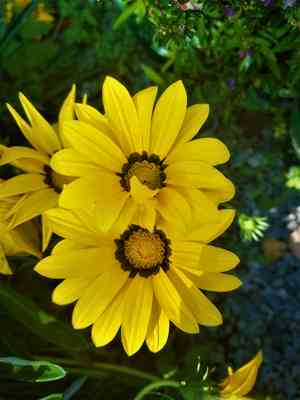
The Gazania rigens, commonly known as the Treasure flower, is a robust and vibrant plant celebrated for its colorful blossoms. To achieve its full vivid potential, the Treasure flower needs a substrate rich in vital nutrients, especially nitrogen, phosphorus, and potassium. Nitrogen fosters strong foliar development, phosphorus supports sturdy root systems, and potassium boosts overall plant health and bloom production. By ensuring these nutrients are present, you establish an ideal cultivation environment for your Treasure flower.
Soil Texture
Substrate texture is vital for the healthy growth of Gazania. These plants thrive in well-drained sandy or loamy soils. A sandy or loamy consistency enables water to easily pass through the substrate, preventing waterlogging which can result in root rot. This type of substrate also guarantees that the plant roots have access to necessary air and nutrients. If your substrate is overly clayey or dense, consider enriching it with sand or organic matter to enhance texture and drainage.
Soil pH Level
The perfect soil pH range for Treasure flowers is between 6.5 and 7.5. This slightly acidic to neutral pH level ensures that essential nutrients are in forms readily available for plant uptake. You can easily assess your soil's pH using an at-home testing kit. If your substrate is excessively acidic or alkaline, adding lime or sulfur can help adjust the pH to the desired range.
Drainage Requirements for Treasure flower
Significance of Effective Drainage
Proper drainage is crucial for the well-being of Treasure flowers. These plants are vulnerable to root rot, which occurs when water accumulates around the root system. Ensuring adequate drainage prevents this problem and encourages robust root growth. In a well-draining substrate, excess water flows away freely, guaranteeing that the roots are not submerged in waterlogged conditions.
Methods to Enhance Drainage
Improving drainage in your garden soil can be accomplished through several techniques. One practical approach is to amend the substrate by incorporating organic materials such as compost or well-rotted manure. These components not only improve drainage but also contribute beneficial nutrients. Additionally, integrating substances like sand or perlite can significantly boost the soil's capacity to expel surplus water. Elevating garden beds can also be an effective strategy for areas with naturally poor drainage.
Soil Amendments for Gazania
Organic Materials
Incorporating organic matter into the soil is one of the most effective ways to enhance its quality for Treasure flowers. Organic amendments like compost, leaf mold, and aged manure can improve soil structure, water retention, and nutrient availability. They provide a slow-release source of nourishment, helping to sustain plant growth over time. Regularly integrating organic matter into your garden soil can result in more vigorous and healthier Treasure flowers.
Inorganic Additives
Inorganic amendments, such as sand, perlite, and vermiculite, can also be advantageous for Treasure flower soil. These materials are excellent for enhancing soil aeration and drainage. Sand helps to break up heavy soil and promote water movement, while perlite and vermiculite increase porosity and reduce soil compaction. Utilizing these materials strategically can create a more favorable environment for your Treasure flowers.
Typical Substrate Issues for Treasure flower
Excess Watering Problems
Overwatering is a frequent issue when cultivating Treasure flowers. Supplying too much water can lead to root rot and various fungal diseases. To prevent overwatering, always check the soil moisture level before irrigating. The uppermost inch (2.5 cm) of soil should be dry before you water your Treasure flowers again. Ensure that pots or garden beds have sufficient drainage holes to allow surplus water to escape.
Compact Soil Conditions
Compacted soil can severely impede the growth of Treasure flowers. When the substrate is too dense, it restricts root expansion and diminishes the soil's capacity to absorb water and nutrients. Regularly loosening the soil around your plants can help avert compaction. Utilizing mulch and practicing no-till gardening techniques can also help preserve soil structure and health.



