Optimal Soil for Growing Weeping fig: What You Need to Know
1
The Weeping fig thrives best in soil with a pH range of 6.5 to 7.5.
2
Integrating perlite into potting mix significantly enhances air circulation for your Weeping fig.
3
Consistent soil testing assists in preserving ideal growth parameters for the Weeping fig.
What Type of Soil Does Weeping fig Prefer?
Ideal Soil Composition for Weeping fig
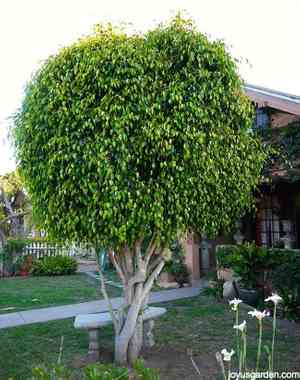
The Weeping fig, celebrated for its elegant drooping branches and shiny leaves, thrives in soil with a good structure. Optimally, the soil blend should incorporate a loamy mix, balancing sand, silt, and clay. This balance ensures nutrient and moisture retention while providing sufficient air circulation for root vitality. Adding organic elements like compost can further enrich the soil, supplying crucial nutrients and enhancing its consistency.
Why Well-Draining Soil is Crucial
Properly draining soil is absolutely essential for a healthy Weeping fig. When water collects around the roots, it can lead to root rot, a fatal condition for many plants. Effective drainage allows excess water to quickly exit the root zone, preventing waterlogging. This can be achieved by incorporating materials like sand or perlite into your pot or garden soil mixture. Both ingredients facilitate freer water passage, maintaining healthy, oxygenated roots.
Preferred Soil pH Levels for Weeping fig
Soil pH is another vital aspect for Weeping fig development. This plant favors slightly acidic to neutral soil, ideally ranging from 6.5 to 7.5. Maintaining this pH level helps the plant absorb nutrients more effectively. You can regularly check your soil’s pH using a home kit or a pH meter. If adjustments are necessary, lime can increase pH, while sulfur can lower it, ensuring the best possible growing environment for your Weeping fig.
How to Prepare Soil for Planting Weeping fig
Mixing the Right Soil Ingredients
Creating the ideal soil mix for your Weeping fig begins with gathering quality components. A good formula for this plant involves equal parts of potting soil, peat moss, and perlite. Potting soil forms the nutrient base, while peat moss enhances moisture retention and soil structure. Perlite, known for its light and porous nature, improves soil aeration and drainage. Combining these elements results in a balanced medium that supports vigorous growth.
Ensuring Proper Soil Aeration
Aeration is fundamental for Weeping fig roots to breathe and flourish optimally. Good aeration prevents soil compaction and encourages gas exchange within the soil. To guarantee adequate aeration, consider adding coarse sand or small bark chips to your soil mixture. When potting, avoid pressing down the soil too firmly, as compact soil can hinder root growth and water movement, leading to poor plant health.
Steps to Improve Soil Drainage
Enhancing soil drainage is straightforward yet critical. If using a pot, ensure it has multiple drainage holes at the bottom for water to exit. You can also place a layer of rocks or gravel at the pot's base before adding the soil mix. For in-ground planting, raised beds or incorporating organic matter or sand into your existing soil can improve drainage. Regular observation and modifications help maintain optimal soil moisture levels.
What Soil Amendments Benefit Weeping fig?
Organic Matter and Its Importance
Incorporating organic material, such as compost or well-rotted manure, into your soil can greatly benefit your Weeping fig. Organic matter improves soil texture, boosts moisture retention, and provides a gradual release of essential nutrients. As it decomposes, organic matter also encourages helpful microbial activity in the soil, fostering a healthier root environment and promoting robust plant growth.
Using Perlite and Vermiculite
Perlite and vermiculite are excellent additions to potting mixes for Weeping fig. Perlite, a volcanic glass, is used to aerate the soil and enhance drainage. Vermiculite, conversely, aids in retaining moisture and nutrients. A combination of these components with your primary potting soil can create an ideal environment for the Weeping fig, balancing its needs for both water retention and air circulation.
The Role of Compost in Soil Health
Compost serves as a comprehensive solution for enhancing soil health. Rich in organic content, compost improves nutrient levels, soil structure, and water-holding capacity. It also introduces beneficial microorganisms that are crucial for breaking down organic material and boosting soil fertility. Regularly adding compost to the soil can keep your Weeping fig thriving and less prone to pests and diseases.
Common Soil Problems and Solutions for Weeping fig
Identifying Poor Soil Drainage
Inadequate soil drainage is a frequent issue that can harm your Weeping fig. Indicators include yellowing leaves, an unpleasant odor from the soil, and mold growth on the soil surface. To fix this, inspect for blocked drainage holes in pots and ensure they stay clear. For garden plants, improve soil structure by adding sand or organic matter to enhance drainage. Utilizing raised beds can also help divert excess water from the roots.
Correcting Soil Compaction Issues
Soil compaction impedes root development and water movement, causing stress to your Weeping fig. You can spot compacted soil if water pools on the surface instead of absorbing. To rectify this, aerate the soil by gently breaking it up with a garden fork or adding coarse materials like sand or perlite to the soil mix. Periodically turning the soil and avoiding excessive foot traffic around the plant can also help alleviate compaction.
Preventing and Managing Root Rot
Root rot often results from prolonged exposure to waterlogged soil. Symptoms include wilting, yellowing foliage, and dark, soft roots. To prevent root rot, ensure your Weeping fig is planted in well-draining soil and avoid overwatering. If root rot is suspected, remove the plant from its container, trim away affected roots, and repot in fresh, well-draining soil. Consistent monitoring and proper irrigation can help manage and prevent this problem.
Maintenance Tips for Weeping fig Soil
Regular Soil Testing
Routine soil testing provides valuable insights into your soil’s condition, allowing you to adjust its pH and nutrient levels as needed. Simple home kits or sending samples to a local agricultural extension can yield precise readings. Maintaining optimal soil conditions ensures your Weeping fig enjoys the best growing environment throughout the year.
Seasonal Soil Conditioning
Soil conditioning is a seasonal task that keeps your Weeping fig in peak health. In spring and fall, consider applying a layer of compost or organic matter to replenish soil nutrients. This practice can enhance soil texture and fertility, supporting robust growth during active growing seasons. Regular conditioning also helps maintain soil structure, preventing issues like compaction and poor drainage.
Re-potting and Soil Refreshing
Repotting your Weeping fig every couple of years can prevent soil nutrient depletion and root congestion. When you notice the plant is root-bound or soil compaction, it's time to refresh the soil. Choose a slightly larger pot with adequate drainage and fill it with a fresh mix of soil, perlite, and compost. This not only gives the plant a nutrient boost but also promotes healthy root growth and prevents disease accumulation in old soil.



