Optimal Soil for Growing Blue fescue: What You Need to Know
1
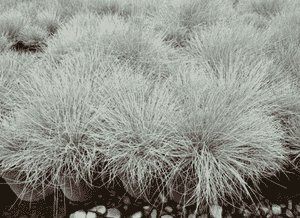
Blue fescue flourishes in adequately drained soil and can withstand dry spells once rooted.
2
The perfect soil pH for Blue fescue is between 6.5 and 7.5, falling into the slightly acidic to neutral category.
3
Consistent soil loosening greatly improves the vitality and lifespan of Blue fescue.
Optimal Soil Type for Blue fescue
Soil with Good Drainage
A key factor in cultivating Blue fescue successfully is ensuring it's planted in soil that drains effectively. This particular grass prefers substrates that allow surplus water to exit rapidly. Good drainage prevents root saturation, which is vital for the plant's vitality and development.
Avoid Saturated Ground
Soil saturation can be very harmful to Blue fescue. When the ground retains excessive water, it can lead to root rot and various fungal infections, potentially weakening or killing the plant. To prevent this, ensure your planting site or container has sufficient drainage holes. If your garden soil is dense or clay-heavy, consider amending it with sand or gravel to enhance its drainage ability.
Preferred Soil pH Levels
Blue fescue thrives in soil with a pH range between 6.5 and 7.5. This slightly acidic to neutral range provides an ideal environment for the plant's absorption of nutrients. Evaluating your soil's pH prior to planting can help you make necessary adjustments, ensuring prime growth conditions for your grass.
Soil Amendments for Blue fescue
Sand Addition
Adding sand to your soil mixture can greatly benefit Blue fescue by improving its drainage. Sandy soils are typically loose and well-aerated, preventing water accumulation around the root system. This component is particularly useful in areas where the native soil is dense or compact.
Perlite Use
Perlite is another beneficial soil additive for Blue fescue. This lightweight, volcanic mineral aids in enhancing aeration and drainage. Mixing perlite into your garden soil can create a more breathable environment for plant roots, fostering healthier development.
Compost or Organic Material
Integrating compost or organic matter into your soil can boost its fertility and structure. Organic material improves the soil's capacity to hold moisture and nutrients while also refining its texture. This can be especially advantageous for Blue fescue, which flourishes in well-balanced, nutrient-rich soils.
Preparing Soil for Blue fescue Planting
Evaluating Soil pH and Nutrient Content
Prior to planting Blue fescue, it is crucial to assess your soil's pH and nutrient levels. Soil testing kits are readily available at gardening supply stores and offer a detailed analysis of your soil's condition. Understanding the current state of your soil will enable you to make informed decisions regarding necessary improvements.
Amending Soil According to Test Results
Based on your soil analysis, you might need to modify your soil to achieve the perfect conditions for Blue fescue. If your soil is too acidic or alkaline, you can adjust the pH by adding lime (to increase pH) or sulfur (to decrease pH). Furthermore, you may need to incorporate organic matter, compost, or specific fertilizers to correct any nutrient deficiencies.
Effective Soil Blending Techniques
Once you've identified and incorporated the necessary amendments, ensure everything is thoroughly mixed into the soil. Proper mixing methods involve tilling the soil to a depth of approximately 12 inches (30.5 cm), ensuring amendments are uniformly distributed. This prepares an even soil profile conducive to Blue fescue's vigorous growth.
Sustaining Soil Health for Blue fescue
Regular Soil Aeration Practices
Consistent soil aeration is essential for maintaining optimal soil conditions for Blue fescue. Aeration involves creating small openings in the soil to permit deeper penetration of air, water, and nutrients. This practice helps prevent soil compaction and promotes a more favorable root environment.
Mulching Application
Applying mulch around your Blue fescue can help preserve soil moisture, stabilize temperature, and control weeds. Utilize organic mulches such as straw, wood chips, or compost. Spread a layer of mulch about 2-3 inches (5-7.5 cm) thick, making sure it doesn't directly contact the grass stems.
Monitoring Soil Moisture Levels
Regularly checking soil moisture levels is vital for the ongoing well-being of your Blue fescue. Although this grass is quite drought-tolerant, it still requires adequate moisture, particularly during establishment. Use a moisture meter or simply feel the soil to ensure it remains consistently moist but not waterlogged.
Typical Soil Issues and Solutions for Blue fescue
Addressing Insufficient Drainage
If you experience poor drainage in your soil, consider incorporating more sand or perlite and constructing raised beds. These methods can enhance the soil's drainage capacity, ensuring that Blue fescue roots remain robust and free from excess moisture.
Correcting Soil pH Imbalances
Soil pH imbalances can be rectified with appropriate amendments. If your soil is excessively acidic (below 6.5), add lime to elevate the pH. Conversely, if your soil is too alkaline (above 7.5), sulfur or peat moss can help reduce the pH. Regular testing ensures your soil remains within the ideal range for Blue fescue.
Managing Nutrient Deficiencies
Deficiencies in nutrients can lead to stunted growth and discolored foliage. Address these issues by applying a balanced fertilizer or specific nutrients based on soil test recommendations. Organic options like compost and well-rotted manure can also effectively improve soil fertility.



