Optimal Soil for Growing Paperplant: What You Need to Know
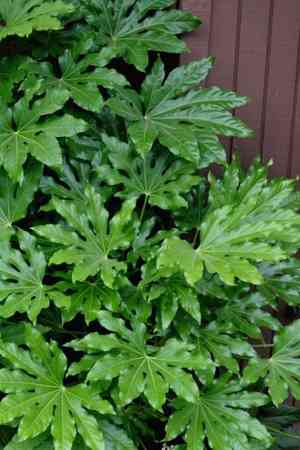
1
Paperplants flourish in soil with a pH between 6.5 and 7.5, indicating a slightly acidic to neutral preference.
2
Adding organic materials like compost or aged manure can greatly enhance the soil's structure and nutritional value.
3
Periodic soil analysis enables early detection of nutrient shortages, letting you resolve them before plant vitality is impacted.
Optimal Soil Type for Paperplant Cultivation
Soil Acidity and Alkalinity
For prime development, Paperplant needs soil with a pH between 6.5 and 7.5. This slightly acidic to neutral range ensures efficient nutrient uptake by the plant. You can assess your soil's pH using a home kit or a professional laboratory test.
Soil Makeup
The best soil makeup for Paperplant is a loamy texture, which is a balanced blend of sand, silt, and clay. This composition provides superb aeration and retains moisture without becoming oversaturated. Incorporating organic materials like compost can further enhance soil richness and consistency.
Drainage Requirements
Paperplants are prone to root decay if the soil remains waterlogged. Consequently, ensuring adequate drainage is vital. You can improve drainage by adding perlite or coarse sand to your soil mix. Furthermore, if growing indoors, plant Paperplant in containers featuring drainage holes.
Preparing the Growing Medium for Paperplant
Effective Soil Blending Methods
When getting the soil ready for Paperplant, combine equal parts of garden soil, compost, and coarse sand. This combination delivers the necessary nutrients, good drainage, and sufficient aeration. Use a garden fork or tiller to thoroughly mix the soil, especially for larger outdoor planting areas.
Incorporating Organic Amendments
Adding organic matter is essential for sustaining soil vitality. Utilize compost, well-rotted manure, or leaf mold to enhance soil structure, boost moisture retention, and provide vital nutrients. Spread a 5 to 10 cm (2 to 4 inches) layer of organic material over the soil surface and work it in well.
Sanitizing the Growing Medium
Sterilizing soil helps eliminate harmful pathogens, unwanted weeds, and pests. You can sanitize small quantities of soil by baking it in an oven at 82°C (180°F) for 30 minutes. For larger areas, solarizing the soil by covering it with clear plastic and exposing it to sunlight for 4 to 6 weeks is an effective method.
Maintaining Soil Health for Paperplant Longevity
Routine Soil Analysis
Perform regular soil tests to monitor pH levels and nutrient content. Annual testing helps you make informed choices regarding fertilization and soil amendments, guaranteeing your Paperplant thrives in optimal conditions.
Applying Fertilizers As Needed
Paperplants benefit from balanced, slow-release fertilizers. Apply fertilizer in the spring and mid-summer. A 10-10-10 NPK ratio is ideal. Avoid excessive fertilization, as this can lead to mineral salt accumulation and damage to the plant's root system.
Preventing Soil Compaction
Compressed soil can hinder root development and water penetration. To avoid compaction, refrain from walking on garden beds, utilize raised beds, and apply mulch around the plant's base. Regularly aerate the soil using a garden fork to maintain its looseness.
Managing Pests and Diseases
Cultivate healthy soil to ward off pests and diseases. Periodically inspect your Paperplant for signs of issues, such as discolored or malformed foliage. Integrated Pest Management (IPM) strategies, like introducing beneficial insects and employing biological controls, can assist in managing these problems.



