Optimal Soil for Growing White wood aster: What You Need to Know
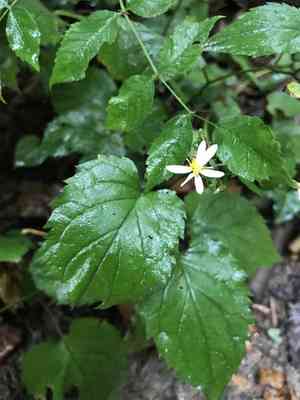
1
White wood aster flourishes in soil that is mildly acidic to neutral, with a pH between 6.5 and 7.5.
2
Incorporating organic material consistently can greatly enhance soil structure and plant vitality.
3
Annual soil testing helps avoid potential growth problems and guarantees ideal soil environments.
Optimal Soil Makeup for White wood aster
Acidity/Alkalinity Preferences
The best pH range for White wood aster is 6.5 to 7.5. This slightly acidic to neutral pH allows the plant to absorb vital nutrients effectively. Maintaining proper pH balance in your soil is key, as extreme acidity or alkalinity can hinder nutrient uptake and impact plant health.
Soil Type and Texture
Regarding soil type, White wood aster thrives in well-draining, loamy soil. The texture should be friable and rich in organic material. This soil type encourages root penetration, retains moisture without waterlogging, and provides adequate aeration essential for optimal growth.
Drainage Requirements
White wood aster needs soil with good drainage to prevent root decay. To ensure proper drainage, consider mixing sand or perlite into the soil. Additionally, elevated beds or mounds can assist in areas where soil tends to hold too much moisture. Always ensure the planting site does not accumulate standing water.
Amending Soil for White wood aster
Improving Soil Structure
To enhance soil structure for White wood aster, incorporate organic materials like compost or aged manure. These additions improve soil aeration, water retention, and nutrient content, ensuring a balanced and fertile growing environment.
Organic Amendments
Using organic amendments such as compost, leaf mold, and well-rotted manure can supply essential nutrients and improve soil texture. Organic mulches also help maintain soil moisture and temperature, benefiting the White wood aster's overall development.
Correcting pH Imbalances
If your soil's pH is outside the ideal range for White wood aster, corrective measures are necessary. For acidic soil, adding lime can increase the pH. Conversely, sulfur or peat moss can lower the pH if the soil is too alkaline. Always retest soil pH after adjustments to confirm it's within the preferred 6.5 to 7.5 range.
Testing Soil for White wood aster
Soil Testing Kits
Utilizing a soil testing kit is a simple method to analyze your soil's pH and nutrient content. These kits are available at most garden centers and include instructions for collecting samples and interpreting results.
Interpreting Test Results
After testing your soil, it's crucial to comprehend the findings. Look for pH levels and nutrient deficiencies. If your soil pH falls outside the 6.5 to 7.5 range or essential nutrients are scarce, taking steps to amend the soil is vital for your White wood aster's health.
Making Necessary Adjustments
Based on your soil test results, implement the required modifications. For nutrient deficiencies, consider specific fertilizers to replenish the missing nutrients. Adjusting pH levels, as previously mentioned, by adding lime or sulfur will bring your soil closer to the preferred range for White wood aster.
Common Soil Issues and Solutions for White wood aster
Soil Compaction
Soil compaction is a common problem that can hinder the growth of White wood aster. Compacted soil restricts root development and water penetration. To alleviate compaction, aerate the soil regularly by tilling or using a garden fork to loosen the top layer.
Nutrient Deficiencies
Signs of nutrient deficiencies in White wood aster include stunted growth, yellowing foliage, and reduced blooming. Regular fertilization with balanced, slow-release fertilizers or organic matter can prevent these issues by maintaining adequate nutrient levels in the soil.
Excessive Moisture
Too much moisture can lead to root rot and other fungal problems. Ensure proper drainage and avoid over-watering. If you notice standing water in your garden, improving drainage with raised beds or incorporating sand/perlite into the soil mix can help.
Seasonal Soil Care for White wood aster
Spring Preparation
In spring, prepare your soil by clearing debris and adding a fresh layer of compost or organic matter. This will replenish nutrients depleted over winter and improve soil structure, setting the stage for a healthy growing season for your White wood aster.
Summer Care
During summer, apply mulch around your White wood aster to help retain moisture and suppress weeds. Monitor soil moisture levels frequently, as summer heat can cause rapid drying of the soil. Regularly check for and address any signs of nutrient deficiencies.
Fall and Winter Strategies
In fall, add a layer of organic mulch to protect the soil and roots over winter. Apply a balanced slow-release fertilizer to support the plant's health through the colder months. Avoid heavy pruning or disturbing the soil in late fall to minimize stress on the plant.



