Optimal Soil for Growing Pencil cactus: What You Need to Know
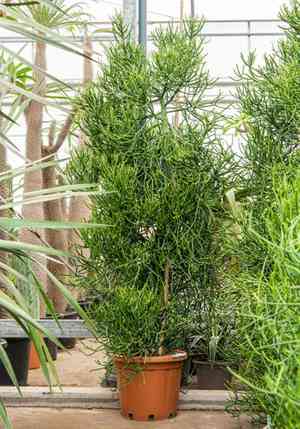
1
Pencil cactus prefers soil that is somewhat acidic to neutral, ideally within a pH of 6 to 7.5.
2
To avoid root rot in Pencil cactus, it's essential to use a soil blend that drains effectively.
3
Incorporating coarse sand or perlite into the potting mixture enhances both drainage and air circulation.
Ideal Soil Environment for Pencil Cactus
Soil Structure and Components
The Pencil cactus, recognized for its distinctive stem appearance, thrives in a substrate that mirrors its native dry habitat. The growing medium should primarily consist of sand and grit, ensuring superior water flow. A loosely textured soil blend allows roots to respire and prevents waterlogging, which often leads to root decay. Incorporating coarse sand with materials like pumice or perlite can significantly enhance soil architecture, fostering a strong root system essential for the plant's development.
Nutrient Needs
Despite its resilient nature, the Pencil cactus still requires vital nutrients for robust growth. The main focus should be on providing a balanced amount of primary nutrients – nitrogen, phosphorus, and potassium – alongside moderate levels of micronutrients such as magnesium, calcium, and iron. Slow-release fertilizers can be beneficial, offering a consistent nutrient supply without the risk of overfeeding. However, a well-formulated succulent mix typically contains enough nutrients, diminishing the need for extra supplements.
pH Levels
Pencil cactus prefers a soil pH that is slightly acidic to neutral, ideally within a range of 6 to 7.5. This pH level ensures that essential nutrients are available while preventing potential nutrient lockout. Regular monitoring of the soil's pH can help maintain these optimal conditions. Easily accessible commercial soil pH test kits can be used to track the acidity and alkalinity levels of the soil.
Selecting Commercial Soil Blends
Cactus and Succulent Formulations
When choosing a pre-made soil mix for your Pencil cactus, a specialized cactus and succulent blend is the most appropriate choice. These formulations are specifically designed to offer excellent drainage while retaining an adequate amount of moisture. Common ingredients include sand, perlite, and organic matter, which simulate the plant's natural growing conditions. Reputable brands like Miracle-Gro and Espoma offer quality cactus and succulent soil products suitable for Pencil cactus.
Beneficial Soil Additives to Seek Out
To enhance commercial soil blends, consider incorporating specific amendments tailored to the Pencil cactus's requirements. Perlite and pumice are excellent for boosting drainage and air circulation. Coarse sand can also be blended in to maintain a gritty soil texture. Another useful amendment is coconut coir, which helps with moisture retention without causing compaction. Always observe your plant's reaction to any changes, adjusting the mix as needed to ensure ideal growth conditions.
Creating Your Own Pencil Cactus Soil Mix
Necessary Components
Crafting your own soil blend for Pencil cactus can be both economical and highly customizable. You will need the following materials:Coarse sand: Ensures the soil remains airy and drains well.Perlite or pumice: Improves air circulation and water flow.Potting soil or compost: Supplies essential nutrients and organic material.Optional: A small quantity of coconut coir to assist with moisture retention without hindering drainage.
Mixing Guidelines
Assembling a DIY soil blend is simple. Follow these steps for an ideal mixture:Combine two parts coarse sand with one part perlite or pumice.Incorporate one part potting soil or compost and mix thoroughly.For added moisture control, blend in a small amount of coconut coir.Ensure all ingredients are evenly distributed to create a consistent blend.Before use, test the mixture by watering a small portion to check drainage. Adjust as necessary to achieve optimal conditions.
Typical Soil Issues and Solutions
Insufficient Drainage
Poor drainage is a frequent problem that can lead to root rot in Pencil cactus. If the soil retains too much water, amend it with extra coarse sand or perlite to improve water flow. Ensure the pot has adequate drainage holes and avoid using saucers that can accumulate excess water. Elevating the pot can also promote better drainage.
Nutrient Deficiencies
A lack of nutrients might present as yellowing leaves or inhibited growth. To remedy this, consider applying a balanced, water-soluble fertilizer at half-strength once a month during the active growing season (spring and summer). Regularly enrich the soil with organic matter or use a slow-release fertilizer to maintain sufficient nutrient availability year-round.
pH Imbalance
Maintaining the correct pH level is vital for the health of Pencil cactus. If the soil becomes overly acidic or alkaline, it can impede nutrient uptake. Regularly testing the soil's pH will help detect any imbalances early. Adjust the pH by adding lime to increase it or sulfur to decrease it, following product instructions for optimal results.
Soil Care and Tips for a Healthy Pencil Cactus
Routine Soil Inspections
Consistent evaluation of soil conditions is crucial for maintaining a thriving Pencil cactus. Check for proper drainage, moisture levels, and any indications of pests or diseases. Regular inspections allow for prompt detection and intervention, ensuring the plant remains robust and healthy.
Repotting Schedule
Pencil cactus benefits from being repotted every 2-3 years or when it outgrows its current container. Repotting provides fresh soil and space for root expansion. Select a pot slightly larger than the previous one and refresh the soil mixture to continue supporting vigorous growth.
Fertilization Advice
Moderate fertilization is key for Pencil cactus. Utilize a balanced fertilizer diluted to half-strength and apply it monthly during the active growing period. Avoid over-fertilizing, which can result in nutrient burn or excessive growth, potentially altering the plant's natural form.



