Optimal Soil for Growing Evergreen spindle: What You Need to Know
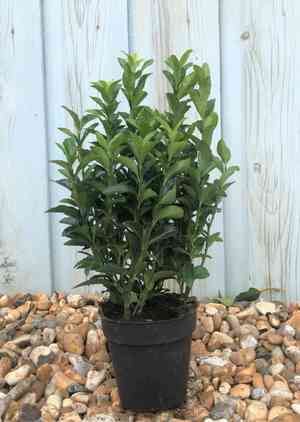
1
The evergreen spindle flourishes best in soil with a pH range of 6.5 to 7.5.
2
Adding organic material greatly enhances the soil's composition and enriches its nutrient levels.
3
Consistent soil analysis assists in tracking and preserving optimal cultivation environments.
Optimal Soil Type for Evergreen Spindle
Loamy vs. Sandy Soil Preferences
When choosing between loamy and sandy soil, loamy soil is the superior option for Evergreen spindle. Loamy soil offers a balanced blend of sand, silt, and clay, facilitating excellent water drainage while holding essential nutrients and moisture. Conversely, sandy soil often drains too rapidly, leading to insufficient moisture, and it struggles to retain nutrients, possibly necessitating frequent feeding. If your garden soil is sandy, consider enriching it with organic material to enhance its properties.
The Significance of Soil Texture
Soil texture plays a crucial role in the development and vitality of Evergreen spindle. Ideally, the soil should be friable and well-aerated, allowing roots to easily penetrate and access air, water, and nutrients. The correct texture supports vigorous root development, which in turn promotes the plant's overall health and resilience. Enhancing soil texture can often be achieved by incorporating organic matter, such as compost or well-decomposed manure.
Ideal Soil pH for Evergreen Spindle
Evaluating Soil pH Levels
Assessing your soil’s pH is an important preliminary step before planting Evergreen spindle. User-friendly home testing kits are widely available. Insert the probe into the soil and compare the resulting color against the provided chart. Ideally, the soil pH should range between 6.5 and 7.5. Maintaining this slightly acidic to neutral pH range ensures that essential soil nutrients are accessible to the plant.
Modifying Soil pH Levels
Adjusting your soil’s pH levels may be necessary to create an optimal growth environment for Evergreen spindle. If your soil is excessively acidic (below 6.5), adding lime can help elevate the pH. Conversely, if the soil is too alkaline (above 7.5), incorporating sulfur or organic mulches like pine needles can reduce the pH. Always adhere to the recommended application rates on product labels, and retest the soil after adjustment to confirm the pH has stabilized at the desired level.
Nutrient Needs for Evergreen Spindle
Critical Nutrients
Like all plant species, Evergreen spindle requires specific nutrients for thriving growth. The primary nutrients are nitrogen (N), phosphorus (P), and potassium (K). Nitrogen is vital for foliage development, phosphorus supports root and flower formation, and potassium boosts overall plant health and resilience. A balanced, slow-release fertilizer containing these elements is ideal. It's also beneficial to include trace elements like magnesium and iron, which are necessary for various metabolic processes.
The Role of Organic Matter and Compost
The inclusion of organic matter and compost not only provides essential nutrients but also improves soil structure, texture, and its capacity to retain moisture. Organic materials, such as decomposed leaves, kitchen waste, or manure, release nutrients gradually as they break down, offering a sustained feeding supply. Incorporating organic compost into the top 20-30 cm (8-12 inches) of soil enhances aeration, stimulating root growth and improving overall soil vitality.
Enhancing Soil Drainage for Evergreen Spindle
Indicators of Inadequate Drainage
Insufficient drainage can significantly harm the health of Evergreen spindle. Symptoms include water pooling on the soil surface, a sour or musty odor, and plant leaves yellowing or wilting. Effective drainage prevents roots from becoming waterlogged, which can lead to root rot and other fungal diseases. Early recognition of these signs can help prevent irreversible damage to your plants.
Amending the Soil for Better Drainage
Improving soil drainage can be achieved through several techniques. Incorporating coarse sand or fine gravel can help loosen heavy clay soils, allowing water to permeate more freely. Additionally, adding organic matter such as compost can enhance soil structure, making dense, compacted soil more friable and easier for roots to penetrate. Raised beds offer another effective solution, elevating plants above the natural ground level to ensure superior drainage.
Maintaining Soil Health for Evergreen Spindle
Consistent Soil Analysis
Regular soil testing is a proactive approach to maintain soil health and ensure your Evergreen spindle thrives. Testing every 1-2 years helps monitor pH levels, nutrient content, and organic matter composition. It enables you to make informed decisions regarding fertilization and soil amendments, guaranteeing the plant receives all essential nutrients for robust growth.
Benefits of Mulching
Mulching offers numerous advantages for the soil health of Evergreen spindle. Organic mulches, such as wood chips, bark, or straw, help retain soil moisture, suppress weed growth, and slowly decompose to return nutrients to the soil. A 5-8 cm (2-3 inch) layer of mulch applied around the plant's base can also help regulate soil temperature, shielding roots from extreme weather conditions.



