Optimal Soil for Growing Wintercreeper: What You Need to Know
1
Wintercreeper flourishes in ground with a pH between 6.5 and 7.5, allowing it to adapt to various garden environments.
2
Adequate soil drainage is essential for Wintercreeper to prevent the development of root rot.
3
Mixing in organic materials such as compost enhances the soil's composition and nutrient content for Wintercreeper.
Preferred Soil Conditions for Wintercreeper
Optimal Soil Makeup for Wintercreeper
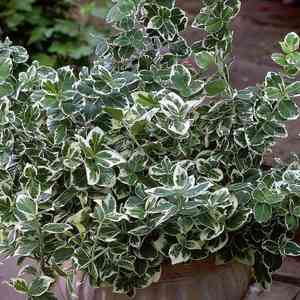
When cultivating Wintercreeper (Euonymus fortunei), there isn't a single universal soil type that suits all situations. This hardy plant shows remarkable adaptability, flourishing in diverse soil conditions, but it particularly favors well-draining, fertile soil. The ideal blend involves loamy soil enriched with organic material like compost or well-decayed manure. Loamy soil offers a balanced mix of sand, silt, and clay, which aids in both water drainage and nutrient retention.
Soil pH Requirements for Wintercreeper
Wintercreeper thrives in soil with a slightly acidic to neutral pH, ideally between 6.5 and 7.5. Maintaining this pH level is crucial for ensuring that essential nutrients are readily available to the plant. If you're uncertain about your soil's pH, consider purchasing an at-home soil testing kit or consult your local agricultural extension service. Should adjustments be necessary, sulfur can lower soil pH, while lime can increase it. Regular checks help maintain a favorable soil environment for Wintercreeper.
Drainage Needs for Peak Performance
Effective drainage is vital for Wintercreeper. This plant cannot endure waterlogged conditions, which often lead to root rot. To improve drainage, ensure your planting area is elevated or sloped if natural drainage is insufficient. Incorporating materials such as coarse sand, perlite, or gravel into the soil can also boost drainage. When planting in a container, verify it has ample drainage holes and consider using a potting mix specifically designed for optimal water flow.
Preparing Soil for Wintercreeper Cultivation
Soil Analysis and Modifications
Prior to planting Wintercreeper, it's prudent to conduct a soil analysis. This will provide insights into your soil's fertility and pH levels, highlighting any deficits that need attention. Based on the findings, you can apply amendments to balance the soil. Common additions include compost for organic content, lime to raise pH, or sulfur to lower it. These modifications should be made well before planting to allow the soil to stabilize.
Integrating Organic Material
Adding organic matter like compost or aged manure to the soil before planting Wintercreeper enhances its structure and nutrient richness. Organic material improves soil aeration, water-holding capacity, and beneficial microbial activity—all crucial elements for vigorous plant development. Work a generous layer, approximately 5-10 centimeters (2-4 inches) deep, of organic material into the top 15-20 centimeters (6-8 inches) of soil using a garden fork or rototiller.
Techniques for Soil Aeration
Soil aeration is essential for Wintercreeper as it ensures that roots receive sufficient oxygen. Compacted soil can impede the plant's growth, so periodically aerating your garden soil is recommended. Use a garden fork or an aerator tool to create small channels in the soil, allowing air, water, and nutrients to penetrate deeper. For larger plots, mechanical aerators may be more effective. Regular aeration, especially after heavy foot traffic or rainfall, helps maintain a healthy soil environment.
Sustaining Soil Health for Wintercreeper
Mulching Practices
Mulching is a beneficial strategy for preserving soil health around Wintercreeper. Apply a 5-7.5 centimeter (2-3 inch) layer of organic mulch, such as wood chips, bark, or straw, around the plant bases. Mulch assists in retaining soil moisture, moderating temperature, and suppressing weed growth. Furthermore, as organic mulch decomposes, it replenishes valuable nutrients in the soil, boosting its fertility over time.
Fertilization Regimen
While Wintercreeper is relatively low-maintenance, providing fertilizer can encourage strong growth and vibrant foliage. A balanced, slow-release fertilizer applied in early spring can supply necessary nutrients throughout the growing season. Adhere to the specific product instructions for application rates. Additionally, incorporating compost or organic fertilizers into the soil can offer a consistent nutrient supply.
Preventing Soil Compression
Preventing soil compaction is critical for the healthy development of Wintercreeper. Compacted soil reduces air circulation and restricts root expansion. Avoid walking on the planting area, particularly when the soil is wet. Incorporating organic matter and regularly aerating can further mitigate compaction risks. Raised beds can also be beneficial in areas prone to compacted soil, providing a loose and permeable environment for the roots.
Typical Soil Issues and Remedies for Wintercreeper
Detecting Soil-borne Pathogens
Soil-borne diseases such as root rot and fungal infections can impact Wintercreeper. Symptoms include leaf yellowing, stunted development, and wilting despite adequate hydration. To counteract these, ensure proper drainage and avoid overwatering. If the disease persists, consider rotating plants in garden beds and sanitizing garden tools to limit pathogen spread. Fungicide treatments might also be effective in severe instances.
Addressing Poor Drainage Problems
Inadequate drainage can be detrimental to Wintercreeper. Indicators include water accumulating on the surface and persistently moist soil. To improve drainage, amend the soil with sand, perlite, or gravel. Constructing raised beds or planting on elevated areas can also assist. If drainage issues persist, installing a French drain system might offer a more lasting solution, diverting excess water away from the roots.
Correcting Nutritional Deficiencies
Nutrient deficiencies in the soil can manifest as poor Wintercreeper growth, discolored leaves, and weak stems. Conduct a soil test to pinpoint the missing nutrients. Based on the results, apply appropriate fertilizers or soil amendments. For example, iron chelates can rectify an iron deficiency, while bone meal can provide supplemental phosphorus. Consistent monitoring and amending ensure the soil remains rich in vital nutrients.



