Optimal Soil for Growing Burning bush: What You Need to Know
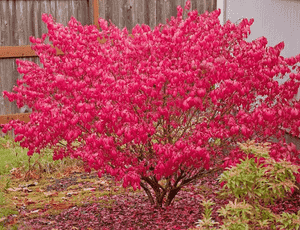
1
Burning bush prefers soil with a pH range of 6.5 to 7.5, performing best in slightly acidic to neutral environments.
2
Incorporating organic materials, like well-rotted compost or decomposed leaves, greatly improves the soil's texture and nutrient content for Burning bush.
3
Performing a yearly soil analysis assists in customizing your soil enrichments to address the precise requirements of your Burning bush.
Optimal Soil Type for Burning Bush Cultivation
Soil with Good Drainage
Planting your Burning bush in soil that drains effectively is essential for its well-being. This plant struggles in excessively wet or waterlogged conditions, which can lead to root rot and other ailments. A simple method to assess soil drainage involves excavating a hole approximately 30 cm (12 inches) deep and filling it with water. If the water recedes within a few hours, your soil possesses adequate drainage.
Moderate Soil Fertility
Burning bush plants do not demand highly fertile soil. While they are not overly particular, a moderate level of soil fertility will encourage optimal development. Incorporate organic compost into your soil to enhance nutrient levels without excessive fertilization. Overly rich soil can result in abundant leaf growth at the expense of root and flower formation.
Loamy Soil Composition
Burning bush thrives best in loamy soil. This soil type features a balanced blend of sand, silt, and clay, offering excellent drainage while retaining sufficient moisture and essential nutrients. You can enhance your garden soil to become more loamy by introducing organic matter such as compost or peat moss.
How to Assess Soil for Burning Bush
Soil pH Measurement
Measuring the soil pH is a crucial initial step when preparing your garden for Burning bush. This plant prefers a soil pH range of 6.5 to 7.5. You can determine soil pH using an at-home testing kit available at most garden centers or by submitting a soil sample to a local agricultural extension service.
Nutrient Content Analysis
A nutrient analysis will provide insight into the concentrations of key nutrients like nitrogen, phosphorus, and potassium within your soil. These macronutrients are vital for plant vitality and growth. A home test kit or professional soil assessment can offer a comprehensive analysis, enabling more precise fertilization strategies.
Drainage Evaluation
Evaluating soil drainage involves a straightforward procedure. Dig a hole roughly 30 cm (12 inches) deep and fill it with water. Observe the rate at which the water dissipates. Your soil should fully drain within a few hours. Slow drainage indicates a need for soil amendments to improve aeration and water permeability.
Ameliorating Soil Conditions for Burning Bush
Enriching with Organic Material
Improve your soil's quality by integrating organic substances such as compost, leaf mold, or well-decomposed manure. These additions enhance soil structure, boost nutrient content, and foster beneficial microbial activity. Spread a 5-8 cm (2-3 inches) layer of organic material over your soil and work it into the top 15-20 cm (6-8 inches) using a garden fork.
Modifying Soil pH Levels
If your soil pH falls outside the optimal range of 6.5 to 7.5 for Burning bush, you will need to adjust it. To elevate pH levels (making soil more alkaline), incorporate lime. To reduce pH levels (making soil more acidic), utilize sulfur or peat moss. Always adhere to the manufacturer's instructions for application rates.
Enhancing Soil Permeability
Improving drainage can be achieved by adding coarse materials like sand, perlite, or vermiculite to your soil. Raised garden beds offer another practical solution for improved drainage, especially in heavy clay soils. Aim to modify the top 30 cm (12 inches) of your soil for optimal outcomes.
Common Soil Issues for Burning Bush and Their Solutions
Densified Soil
Compacted soil impedes root development and restricts the uptake of water and nutrients. To address soil compaction, aerate the soil by mechanically loosening it with a garden fork or an aerator tool. Integrate organic matter to sustain an improved soil structure.
Inadequate Drainage
Poorly draining soil can suffocate roots and encourage the development of fungal diseases. To rectify this, blend coarse sand or perlite into the soil to enhance its texture. Consider constructing raised beds to facilitate superior water drainage.
Nutrient Deficiencies
Resolving nutrient deficiencies begins with a soil test to pinpoint missing elements. Based on the findings, apply appropriate fertilizers. Utilize slow-release fertilizers to provide a consistent supply of nutrients without the risk of over-fertilization.
Seasonal Soil Care for Burning Bush
Spring Soil Preparation
Spring is the ideal time to prepare your soil for the upcoming growing season. Start by clearing away debris and weeds, then incorporate compost or well-rotted manure to enrich the soil. This will provide a nutrient boost and foster microbial activity for healthier plant growth.
Summer Soil Maintenance
During summer, prioritize maintaining consistent soil moisture. Applying mulch around your Burning bush helps to retain moisture and regulate soil temperature. Monitor your plants for indications of nutrient stress or pests and address any issues promptly.
Autumn and Winter Soil Regimen
In autumn, apply a layer of mulch to safeguard root systems from winter temperatures. Soil testing in fall can inform any last-minute amendments. Throughout winter, minimize foot traffic over planting areas to prevent soil compaction.



