Optimal Soil for Growing Purple coneflower: What You Need to Know
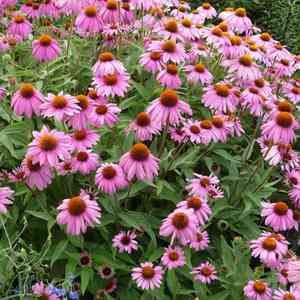
1
Echinacea purpurea flourishes in well-draining sandy or loamy earth.
2
Keep the soil's acidity level between 6.5 and 7.5 for peak development.
3
Applying mulch consistently assists in preserving ground dampness and inhibiting unwanted plant growth.
Optimal Soil Type for Purple Coneflower Cultivation
Well-Drained Substrate
The Purple coneflower, a beloved garden staple known for its vivid blossoms and resilience, necessitates soil that drains effectively to thrive. This species struggles in perpetually wet conditions, which can lead to root decay and various fungal ailments. Ensuring adequate drainage allows roots access to oxygen, which is vital for the plant's vitality. If you observe water collecting near the plant's base after rainfall, consider enhancing the soil or selecting an alternative planting spot.
Sandy or Loamy Composition
Purple coneflower is adaptable but prefers a sandy or loamy soil consistency. Sandy soil provides excellent drainage, while loamy soil offers a balanced blend of sand, silt, and clay, creating an optimal environment for nutrient retention and moisture. If your garden has dense clay soil, contemplate integrating sand and organic material to enhance its structure, thereby supporting the healthy development of your Purple coneflower.
Soil Acidity/Alkalinity Levels
A critical aspect of cultivating Purple coneflower is maintaining the soil's pH between 6.5 and 7.5. This near-neutral pH range guarantees the essential nutrients are available to the plant. You can assess your soil's pH using a retail kit or a professional analysis service. If the pH is outside the ideal range, you might need to adjust it by adding lime to increase it or sulfur to decrease it. This step ensures your Purple coneflower receives the best possible growing conditions from the start.
How to Get Soil Ready for Purple Coneflower Planting
Soil Examination
Before planting your Purple coneflower, conducting a soil test is crucial. Analyzing your soil provides valuable insights into its pH and nutrient content, enabling you to make necessary amendments. You can acquire a soil testing kit online or from gardening retailers, or submit a sample to your local agricultural extension for a detailed report.
Enriching Soil with Organic Matter
Incorporating organic matter, such as compost or aged manure, can significantly boost soil fertility and structure. Organic amendments improve water retention in sandy soils and enhance drainage in clay soils—both vital for the healthy growth of Purple coneflower. A simple method to add organic material is to spread a layer of compost over the soil and thoroughly mix it in by tilling.
Ensuring Proper Drainage
Good drainage is paramount when preparing your soil for Purple coneflower. If your garden area has dense, compacted soil, consider constructing raised beds or mixing in materials like coarse sand, small gravel, or perlite. These actions improve the soil's structure and enhance drainage, thereby preventing waterlogging and associated root diseases.
Essential Soil Nutrients for Purple Coneflower
Nitrogen's Role
Nitrogen is a vital nutrient that promotes vigorous foliage growth in Purple coneflower. Ensure your soil has sufficient nitrogen by utilizing organic fertilizers like compost, or you can apply a balanced, slow-release fertilizer. Exercise caution not to over-fertilize, as excessive nitrogen can lead to abundant leaves at the expense of flower production.
Phosphorus's Importance
Phosphorus is fundamental for root development and the creation of flowers in Purple coneflower. A deficiency in phosphorus can result in stunted growth and fewer blossoms. Bone meal and rock phosphate are excellent natural sources of phosphorus. Adding these to your soil can help ensure your Purple coneflower produces plentiful and vibrant blooms.
Potassium's Benefits
Potassium aids in overall plant well-being, including disease resistance and moisture regulation. It is crucial for developing sturdy stems and increasing drought tolerance in Purple coneflower. Potassium can be supplemented using organic sources such as wood ash or kelp meal, contributing to the plant's vitality and resilience.
Maintaining Soil Health for Purple Coneflower
Periodic Soil Testing
Maintaining your soil's health is an ongoing endeavor. Regular soil analyses allow you to monitor pH and nutrient levels, indicating if any adjustments are necessary. Test the soil every few years, especially if your Purple coneflower is not blooming as expected. Vigilance regarding your soil's health ensures your plants continue to flourish.
Applying Mulch
Mulching is an effective strategy to preserve soil health for your Purple coneflower. Mulch helps to retain soil moisture, inhibit weed proliferation, and stabilize soil temperatures. Use organic mulch such as wood chips, straw, or shredded leaves, and apply a 2-3 inch (5-7.5 cm) layer around the plant's base, taking care not to cover the crown. This practice also enriches the soil with organic matter as the mulch decomposes.
Fertilizer Application
Fertilizing is crucial to supply your Purple coneflower with the necessary nutrients throughout its active growth period. Employ a balanced, slow-release fertilizer or natural alternatives like compost or well-rotted manure. Apply fertilizer in early spring when new growth emerges and again in mid-summer if required. Always adhere to the recommended application rates to prevent over-fertilization, which can harm the plant.



