Optimal Soil for Growing Wild carrot: What You Need to Know
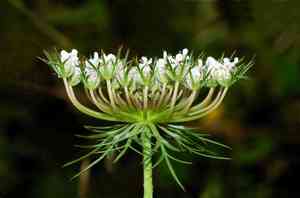
1
Wild carrot flourishes optimally in soil that is mildly acidic to neutral, with a pH range of 6.5 to 7.5.
2
Compacted soil frequently poses an issue for Wild carrot. Amending the soil to be less dense can greatly enhance root development.
3
Routine soil analysis aids in early detection of nutrient shortages, guaranteeing your Wild carrot specimens receive appropriate nourishment.
Optimal Soil Type for Wild Carrot Cultivation
Understanding Soil Makeup
The composition of soil is vital for Wild carrot development. These plants thrive in soil that drains well and is rich in organic material. An ideal blend would contain balanced proportions of sand, silt, and clay. Incorporating organic matter, such as compost, can boost soil quality, ensuring your Wild carrot plants receive all necessary nutrients.
Preferred Soil pH Levels
Regarding soil pH, Wild carrot flourishes in a slightly acidic to neutral range, specifically 6.5 to 7.5. Conducting a soil pH test can help determine if adjustments are needed. To increase pH, add lime; to decrease it, use sulfur. Maintaining this range is crucial for efficient nutrient absorption.
Soil Texture Recommendations
Wild carrot performs best in light, loamy soil that permits easy root penetration. Dense clay soils can impede root growth, leading to poor plant development. To enhance soil texture, you can mix in sand or perlite to improve aeration and drainage.
Preparing Soil for Wild Carrot Planting
Assessing and Improving Soil Quality
Prior to planting, it's essential to evaluate your soil's quality. Garden center testing kits can assist in analyzing nutrient levels, pH, and soil composition. Based on these findings, amendments like compost, lime, or sand can be added to optimize the soil for Wild carrot.
Steps for Soil Preparation
Begin soil preparation by tilling it to a depth of approximately 12 inches (30 cm). Remove any rocks, weeds, or debris. Next, mix in compost or well-rotted manure to enrich the soil. Ensure the soil drains well but retains sufficient moisture to support plant growth. Level the soil surface to create an even planting area.
Utilizing Organic Matter
Incorporating organic materials like compost or aged manure can significantly enhance soil structure, fertility, and drainage. Organic matter aids in moisture retention and provides a slow release of nutrients. Aim to blend about 2 inches (5 cm) of organic material into the top 6 inches (15 cm) of soil.
Common Soil Issues and Solutions for Wild Carrot
Addressing Soil Compaction
Soil compaction can be a significant problem for Wild carrot, as it restricts root development and reduces oxygen availability. To counter this, regularly aerate the soil by loosening it with a garden fork or tiller. Adding organic matter can also help improve soil structure and lessen compaction.
Resolving Nutrient Deficiencies
Nutrient deficiencies can be identified through soil testing. If your soil lacks vital nutrients such as nitrogen, phosphorus, or potassium, consider using organic fertilizers or specific amendments like bone meal or blood meal. Consistent feeding of your Wild carrot can ensure vigorous growth and development.
Preventing Soil-Borne Diseases
To prevent soil-borne diseases, rotate your crops annually and avoid planting Wild carrot in the same location repeatedly. Introducing beneficial fungi and bacteria through compost can also help suppress harmful pathogens. Good hygiene practices, such as removing plant debris, can further reduce disease risks.
Soil Maintenance Tips for Healthy Wild Carrot Growth
Routine Soil Analysis
Regular soil testing, ideally every 1-2 years, helps monitor pH levels and nutrient content, enabling timely adjustments. Testing kits are available at garden centers or local extension services.
Mulching Strategies
Applying a layer of mulch around your Wild carrot plants can help retain soil moisture, control weeds, and add organic matter as it breaks down. Use organic mulches like straw, wood chips, or shredded leaves, ensuring they are free of weed seeds.
Irrigation Practices
Consistent watering is crucial for Wild carrot, especially during dry periods. However, excessive watering can lead to root rot. Strive for a balance, providing approximately 1 inch (2.5 cm) of water per week. Drip irrigation systems are particularly effective, minimizing water waste and ensuring deep soil penetration.
Frequently Asked Questions About Wild Carrot Soil Needs
Can Wild Carrot Thrive in Sandy Soil?
Yes, Wild carrot can grow in sandy soil provided it is well-drained and rich in organic matter. Sandy soils tend to drain quickly, so consistent watering and the addition of compost can help maintain the necessary moisture and nutrient levels.
Is Compost Essential for Wild Carrot?
While Wild carrot can grow without compost, its addition significantly benefits soil health and plant growth. Compost improves soil structure, supplies essential nutrients, and enhances water retention, making it highly recommended for optimal growth.
How Often Should I Fertilize the Soil?
Fertilize the soil at the start of the planting season and then every 4-6 weeks during the active growing period. Use a balanced, organic fertilizer to supply essential nutrients without harming soil microorganisms.



