Optimal Soil for Growing Winter daphne: What You Need to Know
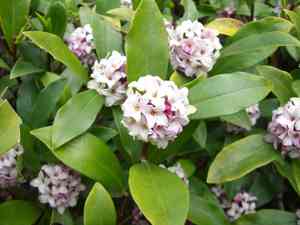
1
Winter daphne prospers in soil that drains efficiently, which assists in deterring root decay.
2
Adding organic material, like compost, to the ground can greatly enhance its richness and composition.
3
Sustaining a somewhat acidic soil pH ranging from 6.5 to 7.5 is vital for Winter daphne's peak development.
Optimal Soil for Winter Daphne
Soil with Good Drainage
It's essential that your Winter daphne is planted in soil that drains well. This plant is susceptible to root decay if conditions become waterlogged. By adding materials like coarse sand, perlite, or small stones, you can improve water runoff and foster a healthier root system. Utilizing raised beds or containers with adequate drainage holes also ensures surplus water exits.
Slightly Acidic to Neutral pH
Winter daphne thrives in a soil pH between 6.5 and 7.5. This range, from slightly acidic to neutral, allows the plant to absorb necessary nutrients, promoting vigorous growth and abundant flowering. Regular pH testing is recommended to keep it within this optimal range, using lime to raise pH or elemental sulfur to lower it, if needed.
Soil Rich in Organic Matter
A high content of organic matter benefits Winter daphne. Incorporating compost, well-rotted manure, or leaf mold into the soil improves its fertility and structure. These organic components enhance water retention while still aiding drainage, and they also deliver a slow release of nutrients, supporting continuous plant well-being.
Enhancing Soil Drainage for Winter Daphne
Incorporating Sand or Gravel
To effectively improve soil drainage, mix coarse sand or small gravel into your garden bed or potting blend. These materials create air gaps that boost aeration and allow water to pass through more easily, preventing root saturation and diminishing the likelihood of rot.
Utilizing Raised Beds
For greater control over soil conditions, consider planting Winter daphne in elevated beds. Raised beds not only improve drainage but also simplify soil quality management and prevent compaction. Fill these beds with a combination of native soil and additional organic material for ideal growing conditions.
Proper Container Planting Techniques
When potting Winter daphne, select a container with sufficient drainage holes and employ a fast-draining soil mix. Terracotta pots are a good option as they allow moisture to evaporate through their walls, preventing over-saturation. Elevating pots or placing them on an incline can also help resolve drainage issues.
Amending Soil with Organic Matter for Winter Daphne
Benefits of Using Compost
Compost is an excellent soil amendment for Winter daphne. It enhances soil structure, improves drainage in dense soils, and increases moisture retention in sandy soils. Furthermore, compost gradually releases nutrients, providing a steady supply to your plants and fostering a healthy soil environment.
Applying Aged Manure
Aged manure is another valuable addition to your soil mix, particularly for Winter daphne. It enriches the soil with organic content and nutrients, boosting soil fertility and structure. Ensure the manure is thoroughly composted to avoid introducing harmful pathogens or excessive nitrogen, which can damage the plant.
Incorporating Leaf Mold
Leaf mold, which comes from decomposed leaves, is a very beneficial soil amendment. It enhances soil structure, retains moisture, and provides a gradual release of nutrients. Additionally, leaf mold increases microbial activity in the soil, promoting a healthy root zone for Winter daphne.
Impact of Soil pH on Winter Daphne Growth
Ideal pH Range
The optimal pH range for Winter daphne is between 6.5 and 7.5. Maintaining this pH level ensures your plant can absorb nutrients efficiently. If the pH is too low (acidic) or too high (alkaline), it can lead to nutrient deficiencies, stunted growth, and reduced blooming.
Testing Soil pH
Regularly checking your soil's pH is crucial for keeping conditions optimal for Winter daphne. Use an at-home pH testing kit or send a soil sample to a local agricultural extension for a detailed analysis. Knowing the current pH helps you make informed decisions about necessary amendments.
Adjusting Soil pH
Soil pH can be adjusted using various amendments. To raise pH (make soil more alkaline), add lime; to lower pH (make soil more acidic), incorporate elemental sulfur or peat moss. Always follow product instructions carefully and re-test the soil pH after a few weeks to confirm it has reached the desired level.
Maintaining Soil Health for Winter Daphne
Consistent Mulching
Applying mulch around the base of your Winter daphne using organic materials such as bark chips, straw, or shredded leaves helps retain soil moisture, stabilize temperature, and control weeds. Mulch also decomposes over time, enriching the soil with organic matter.
Preventing Soil Compaction
Avoiding soil compaction is vital for maintaining healthy roots. Refrain from walking on garden beds, especially when the soil is wet. Use pathways or stepping stones to minimize foot traffic and regularly aerate the soil to keep it loose and workable.
Rotating Soil Amendments
Vary the types of organic matter you add to the soil each season to maintain balance and prevent nutrient lockout. For example, alternate between compost, aged manure, and leaf mold. This practice ensures a diverse array of nutrients and microbes, supporting long-term soil vitality and health.



