Optimal Soil for Growing Scotch broom: What You Need to Know
1
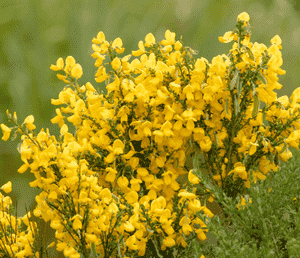
Scotch broom flourishes in meager, sandy earth with scant nutrients, making it ideal for effortless gardening.
2
Sustaining a soil pH level from 6.5 to 7.5 is essential for Scotch broom's best development.
3
Routine soil analysis can aid in detecting and correcting pH and nutrient discrepancies prior to them harming the plant's vitality.
Optimal Soil for Scotch Broom Cultivation
Ground Material Make-up
The Scotch broom, recognized for its brilliant yellow blooms and resilience, flourishes best in soil that drains effectively. Granular or sandy substrates are perfect as they deter water retention, which can lead to root decay. Should your garden possess heavy clay soil, contemplate enriching it with sand or grit to enhance its texture and drainage properties.
Nutrient Content
Interestingly, Scotch broom doesn't demand soil rich in nutrients. In fact, it performs better in somewhat infertile ground. Excessive fertilization can result in abundant foliage growth at the expense of floral development. If any supplementation is necessary, aim for a balanced, slow-release fertilizer. Avoid fertilizers high in nitrogen.
Soil pH Significance for Scotch Broom
Preferred pH Range
The ideal pH range for Scotch broom falls between 6.5 and 7.5. Soil within this spectrum ensures that vital nutrients are readily available for absorption. If the pH deviates too much, becoming either overly acidic or alkaline, the plant's capacity to take up nutrients can be compromised, leading to hindered growth and reduced flowering.
pH Assessment and Adjustment
Checking your soil's pH is an easy yet crucial step. You can utilize a home testing kit or submit a sample to a local extension service for more precise outcomes. If your soil is excessively acidic (below 6.5), adding lime can help elevate the pH. Conversely, if it's too alkaline (above 7.5), incorporating sulfur or peat moss can help lower it. Always adhere to product instructions for any amendments to prevent over-application.
Ensuring Proper Soil Drainage for Scotch Broom
Drainage Importance
Effective drainage is paramount for Scotch broom as it prevents waterlogging, which can cause root rot and other problems. The plant's natural habitat is well-drained, often sandy soils, and replicating these conditions in your garden will promote robust growth.
Enhancing Drainage
If you are dealing with dense or compacted soil, improving drainage is essential. Incorporate ample organic material like compost or leaf mold to loosen the soil. Elevated garden beds can also be an effective approach, allowing surplus water to drain away more rapidly. Adding substances such as perlite, sand, or grit can further improve soil structure and prevent water accumulation.
Tips for Modifying Soil for Scotch Broom
Incorporation of Organic Matter
Adding organic materials such as compost or well-decomposed manure can improve soil structure and fertility. While Scotch broom thrives in poorer soils, a careful addition of organic material can support balanced development, especially if the soil is severely depleted.
Mineral Additives
Integrating mineral amendments like perlite and vermiculite can help enhance soil aeration and drainage. These additions do not significantly alter the soil's nutrient profile, making them perfect for a plant like Scotch broom that does not require nutrient-rich conditions.
Common Soil Issues for Scotch Broom and Their Solutions
Excess Moisture
Waterlogging can be a major issue for Scotch broom. Indicators include yellowing foliage and stunted development, primarily due to root rot. To remedy this, enhance soil drainage by adding organic matter, constructing raised beds, or blending sand and gravel into the soil.
Nutrient Scarcity
Although Scotch broom prefers less fertile soils, severe nutrient deficiencies can still impede its growth. Watch for signs such as pale leaves or slow development. If necessary, apply a balanced, slow-release fertilizer sparingly to correct scarcities. Always perform a soil test before applying any fertilizer to avoid over-correction.



