Optimal Soil for Growing Mediterranean cypress: What You Need to Know
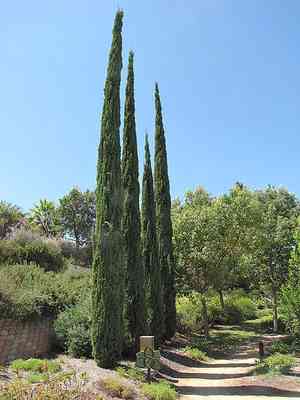
1
Mediterranean cypress flourishes in soil with a pH ranging from mildly alkaline to neutral (6.5 to 8).
2
Adding compost boosts soil fertility and enhances water permeability.
3
Consistent seasonal soil care contributes to sustained plant vitality throughout the year.
Optimal Ground Makeup for Mediterranean Cypress
Crucial Earth Nutrients
For peak development, Mediterranean cypress needs soil abundant in vital nutrients like nitrogen, phosphorus, and potassium. These primary elements support root growth, robust vigor, and overall plant health. To guarantee your soil is nutrient-rich, consider a soil analysis to pinpoint any shortages. Regular application of a balanced, slow-release fertilizer can also help sustain nutrient concentrations.
Preferred Soil Acidity Levels
The perfect soil pH for Mediterranean cypress ranges from 6.5 to 8. A pH within this spectrum guarantees that essential nutrients are available to the plant. You can verify your soil's pH with a home testing kit or by submitting a sample to a local agricultural extension office. If your soil is too acidic, adding lime can elevate the pH, while sulfur can decrease it if the soil is too alkaline.
Drainage Requirements for Mediterranean Cypress
Significance of Well-Draining Ground
Mediterranean cypress thrives in soil that drains efficiently to prevent root decay. Insufficient drainage can result in waterlogged soil, which deprives roots of necessary oxygen and promotes fungal infections. Ensuring proper drainage is vital for the well-being and longevity of your Mediterranean cypress.
Methods to Enhance Soil Drainage
Improving soil drainage can be accomplished by incorporating organic matter such as compost or aged manure into the soil. These materials help break up dense clay soils and enhance sandy soils' water retention. For particularly poorly draining areas, constructing raised beds or amending the soil with inorganic materials like perlite or sand can also be effective.
Soil Amendments for Mediterranean Cypress
Utilizing Organic Material
Integrating organic matter into the soil improves its structure, fertility, and drainage. Organic additions like compost, leaf mold, and aged manure introduce vital nutrients and beneficial microorganisms to the soil. These amendments also refine soil texture, which aids in maintaining consistent moisture levels advantageous for Mediterranean cypress.
Inorganic Soil Enhancements
Inorganic soil amendments, such as perlite, vermiculite, and sand, can also boost soil structure and drainage. Perlite and vermiculite are lightweight and help increase aeration and water retention without making the soil too compact. Sand can be mixed into clay soils to improve drainage, but it's crucial to ensure it's thoroughly blended to avoid creating a dense layer.
Optimal Soil Practices for Planting Mediterranean Cypress
Steps for Ground Preparation
Preparing the soil for planting Mediterranean cypress involves clearing the area of weeds and debris, loosening the soil to a depth of approximately 30-40 cm (12-16 inches), and incorporating organic matter to enrich the soil. It's also beneficial to test the pH and nutrient levels to ensure the soil meets the plant's needs. Adding a layer of mulch around the base can help retain moisture and suppress weeds.
Common Soil Problems and Solutions
Frequent soil issues for Mediterranean cypress include inadequate drainage, nutrient deficiencies, and incorrect pH levels. Address drainage problems by adding organic matter and creating elevated beds. Nutrient shortages can be resolved with balanced fertilizers or specific amendments based on soil test results. Adjusting soil pH can be achieved by adding lime to raise pH or sulfur to lower it.
Seasonal Soil Care for Mediterranean Cypress
Spring and Summer Ground Maintenance
In spring and summer, concentrate on maintaining soil moisture while ensuring good drainage. Apply a slow-release fertilizer in spring to support new growth. Mulch can help retain soil moisture and regulate temperature. Be diligent about watering during dry periods, but avoid overwatering, which can lead to root rot.
Fall and Winter Ground Maintenance
In fall, remove fallen leaves and debris to prevent mold and disease. Applying a layer of mulch before the first frost helps insulate roots against temperature fluctuations. Reduce watering in winter, as the plant's growth slows, but ensure the soil doesn't completely dry out. Regularly check the soil's pH and nutrient levels to adjust as necessary before the next growing season.



