Optimal Soil for Growing Monterey cypress: What You Need to Know
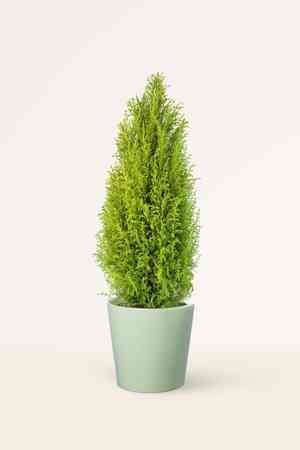
1
Monterey cypress flourishes in permeable ground conditions, replicating its native seaside environment.
2
Consistent monitoring of soil acidity is vital to sustain the optimal pH level of 6.5 to 7.5 for robust development.
3
Adding soil enrichments such as organic material can greatly enhance soil composition and nutrient access.
Optimal Soil Type for Monterey Cypress
Soil Makeup
The Monterey cypress thrives best in well-drained earth comprising sand, silt, and clay. This blend ensures the ground is neither too dense nor too loose, offering an ideal mix of air circulation and moisture retention. Sandy loam or loamy soils are perfect, mirroring the treeâs natural coastal habitat, providing excellent drainage while holding sufficient moisture.
pH Level Requirements
The ideal pH range for Monterey cypress is between 6.5 and 7.5. Maintaining this slightly acidic to neutral pH is crucial for nutrient absorption. pH levels outside this range can cause nutrient deficiencies or toxicities, impacting the tree's vitality. Regular soil analysis helps ensure you hit the optimal range for your Monterey cypress.
Nutrient Demands
The Monterey cypress requires soil rich in organic matter to flourish. Essential nutrients like nitrogen, phosphorus, and potassium are vital for its development. Incorporating compost or well-rotted manure into the soil can supply the necessary nutrients. Additionally, a balanced, slow-release fertilizer can be applied annually to support robust growth.
Preparing Soil for Monterey Cypress Planting
Soil Analysis
Before planting your Monterey cypress, perform a soil test to ascertain its pH and nutrient levels. This step helps you understand the soil's current state and identify any necessary modifications. Home testing kits are available, or you can send samples to a local extension service for a detailed report.
Soil Amendments
Based on your soil test results, modify the soil as needed. If the pH is too low, add lime to increase it; if itâs too high, sulfur can decrease it. Organic materials like compost or peat moss can enhance soil structure and fertility. These amendments boost the soilâs nutrient-holding capacity and microbial activity, fostering a healthier environment for your Monterey cypress.
Drainage Enhancement
Proper drainage is vital for the Monterey cypress to prevent root rot. To improve drainage, you can mix sand or fine gravel into the soil. Raised beds or mounds can also help by allowing excess water to run off, preventing roots from sitting in waterlogged conditions.
Common Soil Issues for Monterey Cypress and Their Solutions
Compaction Problems
Soil compaction hinders root growth and reduces oxygen availability. To alleviate compaction, aerate the soil by tilling or using a garden fork. Adding organic matter can also help break up dense soil and improve its structure.
Poor Nutrient Availability
If your Monterey cypress shows signs of nutrient deficiency (such as yellowing leaves or stunted growth), it might be due to insufficient nutrient availability in the soil. Regularly apply a balanced fertilizer and mulch with organic material to enrich the soilâs nutrient content. Soil tests can help pinpoint specific deficiencies for accurate treatment.
Insufficient Drainage
Inadequate drainage can lead to waterlogged roots and root rot. To improve drainage, ensure the soil is well-aerated and add sand or gravel as required. Creating elevated planting areas can also prevent water from accumulating around the roots.
Frequency of Soil Refreshment for Monterey Cypress
Indicators for Soil Refreshment
If your Monterey cypress exhibits slow growth, yellowing leaves, or overall poor health, it might be time to refresh the soil. Other signs include compacted soil or poor drainage. Regular soil testing and observation can help you determine when itâs necessary to replace or amend the soil.
Best Practices for Soil Replacement
Refresh the soil every few years to maintain its health and fertility. When replacing soil, remove a portion of the old soil and replace it with fresh, nutrient-rich soil and organic matter. Avoid disturbing the roots as much as possible. Consistent mulching and top-dressing with compost can also keep the soil in good condition without needing complete replacement.



