Optimal Soil for Growing False heather: What You Need to Know
1
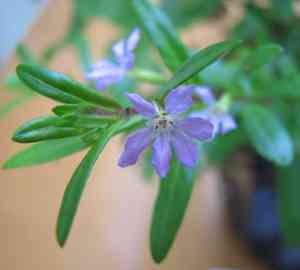
Cuphea hyssopifolia, commonly known as false heather, flourishes optimally in soil exhibiting a pH level between 6.5 and 7.5.
2
Incorporating organic materials into the soil can substantially boost its nutritional value and increase its capacity to hold water.
3
Adequate soil permeability is crucial for avoiding root decay in false heather plants.
Optimal Ground Type for False heather
Balanced Earth Composition
For thriving False heather plants, a balanced earth mixture is perfect due to its even texture and superior water drainage. This soil type combines sand, silt, and clay in roughly equal parts, creating fertile ground that holds nutrients while allowing excess moisture to escape efficiently. Such soil supports root development and ensures proper drainage, preventing waterlogging, which can harm False heather.
Ground Acidity Requirements
The acidity level of the soil is a key factor for your False heather's health. The best pH range for False heather is between 6.5 and 7.5. This slightly acidic to neutral pH enables the plant to absorb vital nutrients from the soil effectively. You can check your soil's pH with a home kit or by sending a sample to a local agricultural service.
Nutrient Needs for False heather Ground
Key Nutrients
For vigorous growth, False heather needs various essential nutrients, including nitrogen, phosphorus, and potassium. These elements support functions like root formation, flower production, and overall plant strength. Using a balanced, slow-release fertilizer can help maintain adequate nutrient levels in the soil throughout the growing period.
Organic Matter and Enhancements
Adding organic material to your soil can greatly benefit False heather. Organic matter, such as compost or aged manure, improves soil structure, boosts nutrient content, and enhances moisture retention. Additionally, using organic supplements like bone meal or fish emulsion can provide a gradual release of essential nutrients.
Ground Drainage Considerations
Importance of Proper Drainage
Good soil drainage is crucial for False heather's well-being. Stagnant water can lead to root rot and other fungal diseases that can quickly destroy your plant. Ensuring your soil drains properly will help prevent these issues and foster a healthier growing environment.
Improving Ground Drainage
If your soil doesn't drain well, you can take several steps to improve it. Adding coarse sand or fine gravel to your soil can boost its drainage capacity. Raised beds or planting on slopes can also help prevent water from accumulating around your False heather's roots.
Ground Compaction and Aeration for False heather
Effects of Soil Compression
Soil compression can hinder root growth and limit air and water availability to plant roots. For False heather, compacted soil can severely impede development, making it crucial to address and prevent this issue.
Methods to Enhance Aeration
To improve soil aeration, you can use techniques like tilling or adding soil conditioners such as perlite or vermiculite. These materials help loosen compressed soil and improve airflow. Regularly turning the soil and avoiding heavy foot traffic on planting areas can also help maintain good soil aeration.
How to Test Ground for False heather
pH Assessment
Testing your soil's pH is a straightforward process using a home pH testing kit. Follow the kit's instructions to collect a soil sample and determine its pH. Adjust the pH as needed by adding lime to increase it or sulfur to decrease it.
Nutrient Analysis
Nutrient analysis can provide a detailed breakdown of your soil's nutrient content. You can buy a soil test kit that measures levels of nitrogen, phosphorus, potassium, and other vital nutrients, or send a sample to a lab for a comprehensive report. This information will help you customize your fertilization practices to meet your False heather's specific needs.
Soil Texture Examination
A simple way to examine soil texture is with the 'jar test.' Fill a jar with a soil sample, add water, shake it well, and let it settle for 24 hours. Different soil components will settle into layers, giving you a clear view of the proportions of sand, silt, and clay in your soil. This information can help you make informed decisions about how to improve your soil's texture for better False heather growth.



