Optimal Soil for Growing Firecracker flower: What You Need to Know
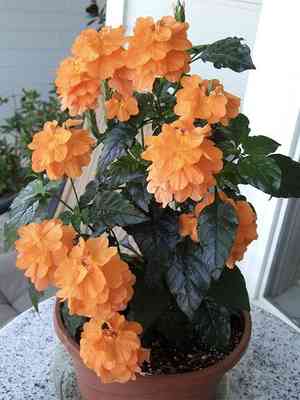
1
Firecracker blooms flourish in ground with an acidity level between 6.5 and 7.5.
2
Densely packed earth can significantly hinder the vitality of Firecracker flowers, impacting root development and nutrient absorption.
3
Firecracker flowers favor permeable soil to avoid root decay.
Optimal Soil for Firecracker Flowers
Best Soil Mix
For thriving Firecracker flowers, the correct soil blend is crucial. These plants prefer soil that drains well and is rich in organic material. An excellent mix consists of equal parts garden soil, peat moss, and perlite. Garden soil provides a solid base, peat moss improves moisture retention and aeration, while perlite ensures superb drainage, preventing root saturation.
Preferred Soil Consistency
Soil consistency is vital for your Firecracker flower's health. They thrive in a loamy texture, which offers a perfect balance of sand, silt, and clay. Loamy soil allows for good drainage, retains moisture without becoming soggy, and is nutrient-rich. If your soil is too clayey, add sand or perlite to enhance drainage and air circulation. If it's too sandy, incorporate organic compost to boost moisture retention.
Maintaining Firecracker Flower Soil Health
Drainage and Airflow
Excellent drainage and aeration are essential for a healthy Firecracker flower's soil. Compacted soil hinders root development and restricts water and nutrient uptake. To improve drainage, incorporate coarse sand, perlite, or fine gravel. Aeration can be enhanced by regularly loosening the soil around the plant with a garden fork or an aerator. This ensures oxygen reaches the roots and prevents anaerobic conditions that lead to root rot.
Nutrient Needs
Supplying the right nutrients is key for vibrant Firecracker flower growth. They need a balanced fertilizer providing essential nutrients like nitrogen, phosphorus, and potassium. Regularly enrich the soil with compost or well-rotted manure to boost organic matter, which releases nutrients gradually. Additionally, a layer of mulch helps conserve moisture, stabilize soil temperature, and adds nutrients as it breaks down.
Typical Soil Problems for Firecracker Flowers
Recognizing Soil-Related Issues
Many problems with Firecracker flowers originate from their soil. Yellowing leaves may signal poor drainage or nutrient deficiencies. If the plant appears stunted or wilts despite adequate watering, it might be suffering from root rot due to overly wet soil. Inspect for compacted soil, which can restrict root growth and water absorption.
Solutions and Remedies
Addressing soil issues promptly can save your Firecracker flower. For poor drainage, consider repotting into a container with the well-draining soil mix mentioned earlier. If nutrient deficiencies are suspected, test your soil and apply suitable fertilizers. For compacted soil, aerate it by regularly loosening around the roots and adding organic matter to improve its structure.
Fertilizing Firecracker Flowers
Appropriate Fertilizer Types
Firecracker flowers benefit from a balanced, slow-release fertilizer. A general-purpose 10-10-10 (N-P-K) fertilizer, providing equal amounts of nitrogen, phosphorus, and potassium, is suitable. For organic alternatives, compost, fish emulsion, and seaweed extract offer a broad spectrum of nutrients for robust growth.
Fertilizing Routine and Techniques
Fertilize your Firecracker flower during its active growing period, typically spring and summer. Apply fertilizer every 4-6 weeks, adhering to the manufacturer's dosage instructions. Water the plant thoroughly both before and after fertilizing to avoid root burn. Reduce fertilizing frequency in fall and winter as the plant's growth slows.



