Optimal Soil for Growing Buttons on a string: What You Need to Know
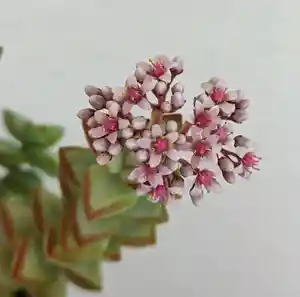
1
Utilize soil that drains effectively to prevent root decay.
2
Buttons on a string flourishes optimally in soil with a pH ranging from mildly acidic to neutral (6 to 7.5).
3
Adding organic materials such as compost can improve the soil's nutrient content.
What Kind of Substrate Does Crassula rupestris Require?
Well-Draining Growing Medium Blends
The secret to cultivating robust Crassula rupestris (Buttons on a string) lies in employing a substrate that drains effectively. This plant is susceptible to root decay if its root system remains waterlogged for extended periods. Therefore, it's vital to select a soil mix that allows water to pass through readily while retaining adequate moisture for the plant's requirements. A commercial succulent or cactus blend often performs well, but you can also formulate your own by combining one part potting mix with one part perlite or coarse sand. These components enhance aeration and drainage, facilitating rapid water runoff.
Optimal Substrate pH
Crassula rupestris prefers a slightly acidic to neutral substrate pH, typically ranging from 6 to 7.5. Soil pH influences the accessibility of nutrients to the plant, so maintaining this range will ensure peak nutrient absorption. You can assess your soil's pH using a home testing kit from a garden center. If the pH falls outside the desired range, amendments like lime can elevate the pH, while sulfur can reduce it.
Organic Components to Incorporate
Integrating organic matter into the growing medium can significantly benefit Crassula rupestris. Organic elements such as compost, leaf mold, or coco coir not only enhance soil structure but also deliver vital nutrients and foster beneficial microbial activity. Adding compost to your soil blend, for instance, boosts fertility and aids in moisture retention without hindering drainage. Aim to blend these organic components into your soil mix at a ratio of approximately 20-30%.
How to Prepare Growing Medium for Crassula rupestris?
Substrate Mix Formulations
Crafting the ideal growing medium for Crassula rupestris can be straightforward. Here's a simple recipe: combine two parts potting soil with one part coarse sand and one part perlite. Additionally, for organic advantages, include a small quantity of well-decomposed compost or worm castings. This mixture ensures excellent drainage, sufficient aeration, and essential nutrients.
Sanitizing the Substrate
Sterilizing the growing medium before planting your Crassula rupestris is crucial for eliminating pests and harmful pathogens. One effective technique is baking the soil in an oven. Spread the soil on a baking sheet and heat it at 82°C (180°F) for about 30 minutes. Alternatively, if you prefer natural methods, solarize the soil by placing it in a clear plastic bag and exposing it to direct sunlight for a few weeks. This will naturally eradicate undesirable organisms.
Amending Substrate for Nutritional Deficiencies
If you observe indications of nutrient deficiency, such as yellowing foliage or stunted development, amending the growing medium can help. Incorporating organic fertilizers like compost, worm castings, or bone meal can correct nutritional gaps. These amendments not only supply essential nutrients but also improve soil texture and microbial activity. Regular soil testing can help pinpoint specific deficiencies, enabling targeted amendments to meet your plant's requirements.
How Often Should You Replace the Growing Medium for Crassula rupestris?
Indicators that Substrate Needs Replacement
Certain signs suggest it's time to replace the growing medium for your Crassula rupestris. If the soil has a compressed or hard consistency, drains poorly, or emits an unpleasant odor, it's likely time for fresh substrate. Furthermore, a noticeable decline in plant vitality, such as yellowing leaves or lack of growth, can signal the need for new soil.
Routine Repotting Schedule
Repotting Crassula rupestris every 2-3 years is generally a sound practice. This regular repotting allows you to refresh the growing medium, ensuring your plant continues to flourish with adequate nutrients and proper drainage. When repotting, gently remove the plant from its container, shake off excess soil, and trim any unhealthy roots before placing it in a new pot with fresh substrate.
Addressing Root-Bound Conditions
A root-bound plant can suffer from restricted development and nutrient absorption. To manage root-bound Crassula rupestris, carefully extract the plant from its pot and gently untangle the roots. Trim back any excessively long or damaged roots. Repot the plant in a slightly larger container with fresh, well-draining growing medium to provide space for the roots to expand and grow.
Common Substrate Issues for Crassula rupestris and Solutions
Poor Drainage Problems
Inadequate drainage is a frequent issue that can lead to root rot in Crassula rupestris. To resolve this, ensure that your pot has sufficient drainage holes and utilize a well-draining growing medium. If necessary, you can add more perlite or sand to your mix to enhance drainage. Slightly elevating the pot can also facilitate better water flow away from the roots.
Substrate Contamination
Growing medium contamination can occur due to pests, diseases, or chemicals. To prevent contamination, always use sterilized soil and clean pots when planting or repotting. Additionally, avoid using chemically treated water on your plants. If you suspect soil contamination, immediately remove the plant, replace the substrate, and thoroughly clean the pot before replanting.
Nutrient Imbalances
Nutrient imbalances in the growing medium can manifest in various ways, including leaf discoloration, poor growth, and reduced blooming. To rectify this issue, test your soil to determine which nutrients are deficient or in excess. Balancing the soil's nutrients can be achieved by adding specific fertilizers or organic matter like compost or manure. Regularly monitoring and adjusting your substrate can help maintain a balanced nutrient profile.
Which Substrate Amendments are Best for Crassula rupestris?
Organic Amendments
Organic amendments such as compost, worm castings, and bone meal are excellent for Crassula rupestris. Compost improves soil structure and provides a slow-release source of nutrients. Worm castings enhance nutrient availability and support beneficial soil microbes. Bone meal supplies essential phosphorus for root development. These organic amendments foster a healthy growing environment.
Commercial Substrate Additives
Commercial growing medium additives like perlite, vermiculite, and gypsum can also benefit your Crassula rupestris. Perlite and vermiculite improve soil aeration and drainage, while gypsum helps break up compacted soil and adds calcium. These additives can be mixed into your substrate to enhance its physical properties and support plant health.
Optimal Application Practices
When applying growing medium amendments, it's important to adhere to best practices to ensure optimal outcomes. Begin by thoroughly blending the amendments into the substrate, aiming for a balanced proportion based on your plant's requirements. Avoid over-amending, as this can lead to nutrient imbalances. Regularly observe your plant's growth and adjust the amendments as needed to maintain a healthy and thriving Crassula rupestris.



