Optimal Soil for Growing Round-leafed navel-wort: What You Need to Know
1
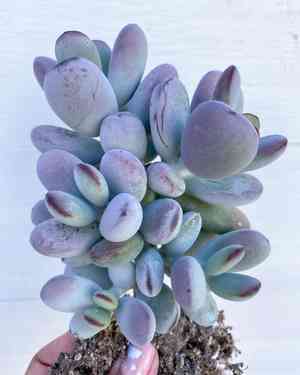
Round-leafed navel-wort flourishes in sandy, well-draining substrates that permit easy water runoff.
2
An optimal soil pH range of 6 to 7.5 is perfect for Round-leafed navel-wort, promoting nutrient uptake.
3
Periodically inspecting for soil compaction and nutrient shortages aids in sustaining a robust growth medium.
Optimal Soil Type for Round-leafed Navel-wort
Sandy Soil Requirements
Sandy substrate is ideal for Round-leafed navel-wort as it offers superb aeration and water flow. These succulents originate from areas with well-aerated ground, and replicating this environment is vital for their thriving. Sandy soils decrease the chance of root rot by preventing water from pooling around the roots. You can utilize commercial cactus or succulent potting mixes specifically formulated for these plant types.
Well-draining Composition
Beyond sandy soil, it's essential to ensure the substrate drains effectively. An optimal blend incorporates elements like perlite, sand, and gravel. These components help create voids within the soil, enabling water to pass through quickly. To assess your soil's drainage, water the plant and observe if water exits the pot's bottom rapidly. If not, consider adding more drainage-enhancing materials.
pH Level Considerations
The pH level of your soil significantly impacts nutrient availability for your Round-leafed navel-wort. Maintaining a soil pH between 6 and 7.5 ensures the plant can absorb vital nutrients efficiently. You can easily measure soil pH using home testing kits or electronic soil meters. If adjustments are necessary, lime can be added to increase the pH, while sulfur can lower it. Regular monitoring helps sustain this balance.
How to Prepare Soil for Round-leafed Navel-wort?
Mixing Soil Components
Crafting the perfect soil blend for Round-leafed navel-wort involves combining several elements. Begin with a sandy soil base, then incorporate perlite or pumice to boost drainage. A common formula might include 50% sandy soil, 30% perlite, and 20% organic matter such as compost or coconut coir. This mix guarantees good drainage while still supplying sufficient nutrients for growth.
Ensuring Proper Drainage
After blending your soil components, the next step is to guarantee adequate drainage. This can be achieved by placing a layer of gravel or small stones at the pot's base. This layer helps water move through the soil swiftly and prevents roots from sitting in standing water. Additionally, use pots with drainage holes to further assist in water management.
Sterilizing the Soil
Sterilizing soil before planting is an effective method to eliminate pests and pathogens that could harm your Round-leafed navel-wort. You can sterilize soil by baking it in an oven at 180°F (82°C) for 30 minutes or by using a microwave on high for approximately 90 seconds per kilogram (2.2 pounds) of soil. Sterilization eradicates undesirable organisms and fosters a healthier environment for your plant.
How Often Should You Replace Soil for Round-leafed Navel-wort?
Signs Your Soil Needs Replacement
Recognizing when to replace soil is vital for your Round-leafed navel-wort's health. Indicators that your soil requires replacement include poor drainage, a crusted soil surface, and stunted plant growth. Furthermore, if you observe a white mineral accumulation on the soil surface or unpleasant odors, it's time to refresh the soil to prevent root diseases.
Best Practices for Replacing Soil
When replacing the soil, gently remove the Round-leafed navel-wort from its container and shake off old soil from the roots. Examine the roots for any signs of decay or illness and trim as needed. Fill a new pot with your prepared soil mix, position the plant, and add more soil around it, ensuring stability. Water the plant lightly after repotting to help it settle into the new soil.



