Optimal Soil for Growing Flowering dogwood: What You Need to Know
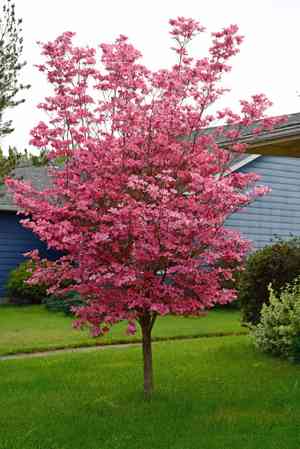
1
Flowering dogwood flourishes optimally in soil that is mildly acidic to neutral, with a pH between 6.5 and 7.5.
2
Adding organic materials like compost enhances the soil's composition and supplies vital nourishment for Flowering dogwood.
3
Refrain from placing Flowering dogwood in spots with inadequate drainage or densely packed soil, as such environments can impede root growth.
The Significance of Soil for Flowering Dogwood
Nutrient Uptake
Soil quality directly influences nutrient uptake, which is crucial for the growth and blooming of Flowering dogwood. Essential nutrients like nitrogen, phosphorus, and potassium are vital for plant health, contributing to strong foliage and beautiful flowers. Balanced soil ensures these nutrients are readily available.
Root Vitality
Root vitality is another key aspect affected by soil. Healthy roots anchor the plant and efficiently absorb water and nutrients. Well-draining, nutrient-rich soil promotes robust root development, making the plant more resistant to stress and disease.
Moisture Retention and Drainage
Soil that adequately retains moisture while allowing excess water to drain is ideal for Flowering dogwood. Proper water retention prevents dehydration, while good drainage prevents waterlogging, which can cause root rot.
Optimal Soil pH for Flowering Dogwood
Preferred pH Range
Flowering dogwood thrives in slightly acidic to neutral soil, with an optimal pH range of 6.5 to 7.5. This pH level supports the availability of essential nutrients, promoting healthy growth and vibrant blooms.
Checking Soil pH
To determine soil pH, you can use at-home testing kits or professional soil analysis services. Regular testing helps ensure the soil pH remains within the optimal range for your Flowering dogwood.
Adjusting Soil pH
If the soil pH is outside the ideal range, amendments can be applied. Adding lime can increase soil pH, making it more alkaline, while sulfur or peat moss can decrease pH, making it more acidic. Always follow recommendations based on soil test results to avoid over-correction.
Soil Composition for Flowering Dogwood
Loamy Soil
Loamy soil, a balanced mix of sand, silt, and clay, is perfect for Flowering dogwood. It provides good drainage while retaining moisture and nutrients, creating an ideal environment for root growth.
Organic Matter
Incorporating organic matter, such as compost or aged manure, improves soil structure and fertility. Organic matter enhances the soil's nutrient content, beneficial microorganisms, and water retention capabilities.
Soil Amendments
Soil amendments like perlite or vermiculite can improve drainage in heavy soils. These amendments help create an aerated and well-structured soil, supporting healthy root systems for Flowering dogwood.
How to Prepare Soil for Flowering Dogwood
Soil Testing and Analysis
Conduct a soil test before planting to understand its current nutrient status and pH. This analysis helps you determine what amendments or adjustments are needed to create an optimal soil environment for Flowering dogwood.
Amending the Soil
Based on test results, amend the soil by adding necessary nutrients, organic matter, or pH adjusters. Mix these thoroughly into the soil to ensure even distribution and incorporation.
Mulching
Applying a mulch layer around the base of Flowering dogwood helps retain soil moisture, suppress weeds, and regulate soil temperature. Organic mulches like wood chips or bark also decompose over time, enriching the soil.
Common Soil Issues for Flowering Dogwood
Soil Compaction
Compacted soil restricts root growth and decreases water and nutrient availability. Aerate the soil to alleviate compaction, and avoid heavy foot traffic or machinery around the planting area.
Poor Drainage
Poor drainage can lead to waterlogged soil and root rot. Ensure the planting area has adequate drainage by amending the soil with sand or perlite or by planting on a raised bed.
Nutrient Deficiency
Nutrient-deficient soil hinders plant growth and reduces bloom quality. Regular soil testing and proper fertilization address any deficiencies, ensuring your Flowering dogwood receives essential nutrients.



