Optimal Soil for Growing Large-flowered tickseed: What You Need to Know
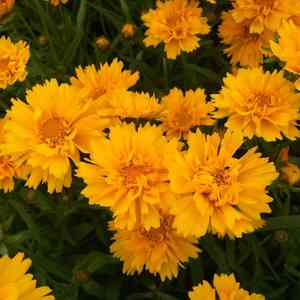
1
Coreopsis grandiflora thrives in soil with good drainage to avoid root decay.
2
Large-flowered tickseed flourishes best in soil with a pH range of 6.5 to 7.5.
3
Mix in organic matter like compost to enhance soil structure and nutrient supply.
Understanding Large-flowered tickseed Soil Requirements
Why Soil Quality Matters for Large-flowered tickseed
The standard of the soil plays a vital role in the health and vigor of your Large-flowered tickseed. Good soil delivers the essential nutrients and proper drainage these lively perennials need to flourish. Inadequate soil can lead to various issues, such as stunted development, minimal blooming, and heightened vulnerability to pests and diseases. By comprehending your plants' soil demands, you establish the foundation for abundant blossoms and robust growth.
Essential Soil Properties for Optimal Growth
To ensure your Large-flowered tickseed thrives, concentrate on the soil's texture, drainage capabilities, nutrient concentrations, and pH level. These elements are critical for the plant's access to water, sustenance, and air. Additionally, they support vigorous root formation, which underpins healthy foliage and blooms.
Ideal Soil Composition for Large-flowered tickseed
Texture and Drainage Needs
The soil's consistency where Large-flowered tickseed is planted should be airy and drain effectively. This plant cannot endure waterlogged conditions, as excess moisture around its roots can lead to rot. A sandy loam or a loamy soil enriched with organic material performs best, ensuring proper drainage while retaining sufficient hydration for the plant.
Necessary Nutrient Levels
Although Large-flowered tickseed is relatively low-maintenance, it still requires vital nutrients for peak development. Confirm the soil contains balanced quantities of nitrogen, phosphorus, and potassium. These nutrients support leaf growth, root expansion, and flower production. Incorporating compost or a balanced slow-release fertilizer can maintain adequate nutrient levels.
Soil pH Preferences
Soil pH is another crucial element for plant health. The optimal pH range for Large-flowered tickseed is between 6.5 and 7.5. This neutral-to-slightly-acidic spectrum enables the plant to absorb nutrients more effectively. You can assess your soil's pH using a home kit or a testing service and amend it as needed to suit the plant's requirements.
How to Amend Soil for Large-flowered tickseed
Adjusting Soil pH
If your soil's pH falls outside the perfect range for Large-flowered tickseed, you can take steps to modify it. For example, to elevate the pH (making the soil more alkaline), add lime. Conversely, to reduce the pH (making it more acidic), integrate sulfur or peat moss. Regular testing helps you monitor pH levels and make necessary adjustments over time.
Enhancing Drainage with Organic Matter
Improving soil drainage is crucial to prevent waterlogging. Adding organic substances like compost, well-decomposed manure, or leaf mold can enhance soil structure, making it more friable and better draining. This amendment helps create air spaces within the soil, improving root vitality and preventing decay.
Improving Nutrient Content
To enrich your soil's nutrient profile, consider incorporating compost or organic fertilizers. Compost not only supplies vital nutrients but also enhances soil texture and moisture retention. You can either buy compost or create your own from kitchen scraps and garden waste. Applying a balanced fertilizer during the growth season can further ensure your plant receives the necessary nutrients.
Common Soil Problems and Solutions for Large-flowered tickseed
Identifying Poor Drainage
Insufficient drainage is a frequent issue that can impede Large-flowered tickseed's growth. Indicators of poor drainage include water accumulating on the soil surface and an unpleasant odor from the soil, suggesting root decay. To resolve this, ensure your soil is well-aerated and drains freely by adding sand or perlite.
Recognizing Nutrient Deficiencies
Nutrient shortages in the soil can manifest as yellowing foliage, stunted growth, and reduced blooming. Testing your soil's nutrient levels can confirm any deficiencies. Address these by adding compost or specific fertilizers to restore nutrient levels. Consistent feeding throughout the growing season can also prevent deficiencies.
Correcting Soil Compaction
Soil compaction can lead to poor root development and issues with water penetration. Signs of compacted soil include difficulty digging and water runoff. To remedy compacted soil, regularly aerate it by tilling or using a garden fork. Incorporating organic matter like compost can also help loosen the soil, fostering better root penetration and water absorption.



