Optimal Soil for Growing Cabbage tree: What You Need to Know
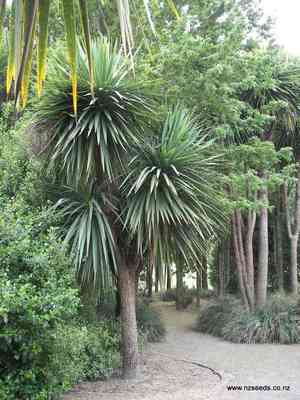
1
Cabbage trees flourish optimally in a soil pH range of 6.5 to 7.5.
2
Incorporate organic material into your soil to enhance its breathability for your Cabbage tree.
3
Loamy earth proves ideal for Cabbage tree cultivation, offering a perfect blend of sand, silt, and clay.
The Significance of Soil Selection for Your Cabbage Tree
Importance of Soil Composition
Selecting the appropriate soil mix is crucial for the vitality and development of your Cabbage tree. The correct balance of sand, silt, and clay facilitates optimal drainage and nutrient retention. Excessively sandy soil may drain too rapidly, depriving the plant of essential nutrients, whereas too much clay can lead to water retention and root decay.
Impact on Root Health
Robust roots are the cornerstone of a flourishing Cabbage tree. The chosen soil directly influences root formation and condition. Well-draining soil prevents water saturation, which can suffocate roots and foster fungal infections. Conversely, soil with good structure supports root oxygenation, providing roots with the air they need for deep, strong growth.
Soil Requirements for Cabbage Tree
Optimal pH Levels for Cabbage Tree Soil
For prime growth, the soil's pH should range between 6.5 and 7.5. This slightly acidic to neutral spectrum ensures your Cabbage tree can efficiently absorb vital nutrients from the earth. Testing your soil's pH and adjusting it as needed will help create an ideal setting for your plant.
Drainage and Aeration Necessities
Proper drainage and aeration are critical to prevent your Cabbage tree from succumbing to root rot. The perfect soil will permit excess water to flow away while retaining sufficient moisture for the plant's requirements. Aeration is also vital as it supplies oxygen to the roots and stops the soil from becoming overly compressed.
Best Soil Types for Planting Cabbage Tree
Loamy Soil
Loamy soil is frequently considered the top choice for cultivating Cabbage tree. It provides a balanced combination of sand, silt, and clay, offering superb drainage while retaining the necessary nutrients for growth. Its friable texture allows roots to penetrate effortlessly, encouraging them to grow deeper and more robust.
Sandy Soil
Sandy soil, while excellent for drainage, may necessitate regular modifications to ensure it holds enough nutrients for the Cabbage tree. Organic matter and nutrient-rich fertilizers can be incorporated into sandy soil to boost its nutrient content and moisture-holding capacity.
Clay Soil
Clay soil is dense and retains moisture, which can be both an asset and a drawback for your Cabbage tree. To enhance its suitability, consider blending in organic matter, sand, or perlite to improve its drainage capabilities and avert root rot.
Soil Preparation Advice for Cabbage Tree
Soil Testing and Adjustment
Before planting your Cabbage tree, conduct a soil test to check pH levels and nutrient content. Based on the findings, you can amend the soil with lime to increase pH or sulfur to decrease it. Integrating compost or well-decomposed manure can also enhance soil fertility.
Adding Organic Matter
Organic materials such as compost, leaf mold, and well-rotted manure can significantly improve soil structure and fertility. They help enhance aeration and water retention, providing a superior environment for root development.
Preventing Soil Compaction
Compacted soil can impede root growth and water penetration. To avoid this, refrain from excessive tilling and walking over the planted area. Utilizing raised beds or adding mulch can also prevent soil compaction and help maintain a loose, healthy soil structure.
Common Soil Issues and Solutions for Cabbage Tree
Waterlogged Soil
Excessively wet soil can lead to root decay. To remedy this, improve drainage by adding sand or perlite, or consider planting your Cabbage tree in an elevated bed.
Nutrient Deficiencies
If your Cabbage tree displays symptoms of nutrient deficiencies, such as yellowing foliage, test your soil and enrich it with balanced fertilizers. Organic options like compost tea can offer a nutrient boost.
Soil-borne Diseases
Diseases originating in the soil can be harmful to your Cabbage tree. Practice crop rotation, use disease-resistant varieties, and ensure proper sanitization of tools and equipment to stop the spread of pathogens.



