Optimal Soil for Growing Blue mistflower: What You Need to Know
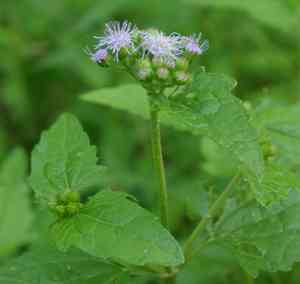
1
Blue mistflower flourishes in ground that drains effectively, preventing root decay.
2
Performing a soil analysis prior to planting can conserve both effort and materials.
3
Maintaining the soil's pH level between 6.5 and 7.5 guarantees the best nutrient uptake for Blue mistflower.
Optimal Soil Type for Blue Mistflower
Soil with Good Drainage
For cultivating Blue mistflower, a crucial element is ensuring the soil drains effectively. This plant cannot endure standing water, and waterlogged soil can rapidly cause root decay. Well-draining soil guarantees that surplus water moves away, preventing roots from becoming saturated. To achieve this, blend sandy or loamy soil with organic materials such as compost or peat moss, which enhance aeration and water flow through the soil.
Soil Consistency
The consistency of the soil is another vital factor to consider. The perfect soil for Blue mistflower is loamy, meaning it contains a balanced mix of sand, silt, and clay. Loamy soil holds moisture without compacting, allowing roots access to necessary air and nutrients. If your garden soil is too sandy, it will drain too quickly and lack sufficient nutrients. Conversely, if it's too clayey, it might retain too much water. Incorporating organic matter can help achieve the correct balance.
Preparing Soil for Blue Mistflower Planting
Soil Analysis
Before planting your Blue mistflower, it's advisable to perform a soil test. Soil analysis helps you understand the current nutrient levels and pH of your soil, enabling more informed decisions about amendments. You can buy a soil test kit at a local garden center or send a sample to a lab for detailed examination. Knowing the soil makeup helps address specific deficiencies and create an ideal growing environment for your plants.
Soil Improvement
Once you have your soil test results, you'll likely need to amend the soil to suit the Blue mistflower's requirements. Add organic matter like compost to enhance soil structure, boost nutrient content, and improve water retention. If the soil is too acidic or alkaline, you might need to adjust its pH by adding lime (to increase pH) or sulfur (to decrease pH). Proper soil preparation before planting aids initial establishment and promotes vigorous growth and blooming.
Nutritional Requirements of Blue Mistflower
Key Nutrients
Blue mistflower needs various nutrients to flourish, with nitrogen (N), phosphorus (P), and potassium (K) being most vital. Nitrogen encourages lush, leafy development; phosphorus is essential for root growth and flowering; and potassium boosts overall plant health and disease resistance. Besides these macronutrients, micronutrients like iron, manganese, and zinc are also necessary for optimal growth.
Fertilization Advice
To supply your Blue mistflower with needed nutrients, consider using a balanced, slow-release fertilizer. Apply this in early spring, just before the growing season starts. Follow the manufacturer's directions and avoid over-fertilizing, which can cause nutrient imbalances and harm the plant. For organic options, compost or well-rotted manure are effective for providing a steady nutrient supply.
Soil pH Levels for Blue Mistflower
Optimal pH Range
Blue mistflower thrives best in soil with a pH between 6.5 and 7.5. Soil pH impacts nutrient availability, and maintaining this range ensures the plant can access the essential nutrients it needs to prosper. Soil that is too acidic or too alkaline can lead to nutrient deficiencies or toxicities, impairing plant health and growth.
Adjusting Soil pH
If your soil test indicates a pH outside the ideal range, you'll need to modify it. To increase soil pH, add agricultural lime; to decrease it, sulfur or peat moss can be effective. Always retest the soil after making adjustments to confirm the pH has moved into the optimal range. Regular monitoring helps maintain appropriate pH levels over time.
Managing Soil Moisture for Blue Mistflower
Water Retention Strategies
While Blue mistflower requires well-draining soil, it also needs consistent moisture for optimal growth. Mulching around the plant's base helps retain soil moisture, reduce temperature fluctuations, and suppress weeds. Organic mulches such as straw, shredded leaves, or wood chips are effective for maintaining moisture levels while adding beneficial nutrients as they decompose.
Drainage Solutions
If your garden has poor drainage, consider building raised beds or incorporating organic matter to improve water movement. Raised beds elevate the root zone, helping prevent excessive moisture accumulation. Additionally, installing drainage pipes or channels can help direct surplus water away from your plants. Ensuring proper drainage keeps roots healthy and lowers the risk of disease.



