Optimal Soil for Growing Butterfly pea: What You Need to Know
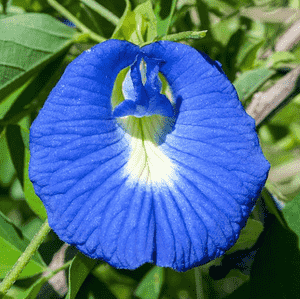
1
Butterfly pea flourishes in sandy loam earth that offers both adequate drainage and vital nourishment.
2
The ideal soil acidity for Butterfly pea ranges from 6.5 to 7.5, guaranteeing peak nutrient uptake.
3
Incorporating organic matter into the soil can greatly enhance its composition and richness for Butterfly pea.
What Soil Type is Best for Butterfly Pea?
Sandy Loam Makeup
For cultivating Butterfly pea, the chosen soil type significantly impacts plant health and development. The ideal medium for these attractive blue-flowered vines is sandy loam. This specific blend offers an optimal balance: it drains effectively yet holds sufficient moisture to keep roots hydrated. Sandy loam is light and loose, facilitating good air circulation around roots, which encourages strong growth and prevents root rot.
Organic Material Content
Beyond a sandy loam composition, Butterfly pea greatly benefits from soil rich in organic matter. Organic materials, such as compost or well-decomposed leaf litter, enrich the soil with vital nutrients and help maintain its structure and moisture. By incorporating organic matter, you not only boost soil fertility but also enhance its capacity to retain water and nutrients, both crucial for the healthy growth of Butterfly pea.
Drainage Capabilities
Effective drainage is a mandatory characteristic for Butterfly pea soil. Poorly draining soil can lead to waterlogged conditions, potentially causing root rot and other diseases. Ensure your soil mix allows for rapid drainage while still retaining adequate moisture. Elevated beds or well-drained containers can offer additional assistance in managing water levels.
How to Improve Soil for Butterfly Pea?
Adding Compost
One of the most effective ways to enhance soil for Butterfly pea is by incorporating compost. Compost not only introduces valuable nutrients but also improves soil structure. Aim to blend approximately 2-3 inches (5-7 cm) of compost into the topsoil before planting, ensuring even distribution. This practice boosts soil fertility, moisture retention, and fosters a thriving environment for beneficial soil microorganisms.
Incorporating Sand
To further enhance soil drainage, mixing sand into your garden bed can be very effective. Sand particles create gaps in the soil, allowing for better water movement and root aeration. Combine sand with your existing soil in a ratio that maintains a sandy loam structureâideally, two parts soil to one part sand. This adjustment ensures the soil remains loose and well-draining, which is vital for Butterfly pea.
Using Peat Moss
Peat moss is another amendment that can be advantageous for Butterfly pea. It slightly increases soil acidity and helps retain moisture without causing waterlogging. Incorporating peat moss into the soil mix, at a 1:1 ratio with garden soil, can help maintain an optimal balance of moisture and dryness. However, consider the pH balance, as excessive use can make the soil too acidic.
Optimal Soil pH for Butterfly Pea
Ideal pH Range
The perfect soil pH for cultivating Butterfly pea is between 6.5 and 7.5. This slightly acidic to neutral range is excellent for nutrient uptake, as most essential nutrients are readily available within this pH spectrum. A balanced pH ensures plants can absorb nutrients efficiently, leading to healthier growth and vibrant blooms.
Testing Soil pH
Regularly checking your soil pH is essential to maintain the correct conditions for your Butterfly pea. Simple pH testing kits are available at garden centers and are easy to use. Collect soil samples from various areas of your garden bed, mix them, and test the pH following the kit's instructions. This will provide a comprehensive understanding of your soil's pH and guide necessary adjustments.
Adjusting Soil pH
If your soil pH falls outside the optimal range, you can take steps to modify it. To increase the pH of acidic soil, you can add lime (calcium carbonate). If the soil is too alkaline, sulfur or peat moss can help lower the pH. It's important to follow instructions carefully and amend the soil gradually, as abrupt changes can stress the plants.
Common Soil Issues and Solutions for Butterfly Pea
Poor Drainage
Inadequate drainage is a common problem that can severely impact Butterfly pea growth. If you observe water pooling in your garden bed after rain, your soil likely needs better drainage. Solutions include amending the soil with sand or gravel, constructing raised beds, or improving the slope of the planting area to facilitate runoff.
Low Nutrient Levels
Insufficient nutrient levels can hinder Butterfly pea growth and reduce flowering. Regularly enrich the soil with organic compost or balanced organic fertilizers to replenish depleted nutrients. Crop rotation and the use of cover crops can also help maintain soil fertility over time.
High Clay Content
Soil with a significant clay content can impede root development and water drainage. To remedy this, you can amend the soil by mixing in organic matter like compost or sand to break up the dense clay particles and improve overall soil texture. This will create a more favorable environment for Butterfly pea.



