Optimal Soil for Growing Bleeding-heart vine: What You Need to Know
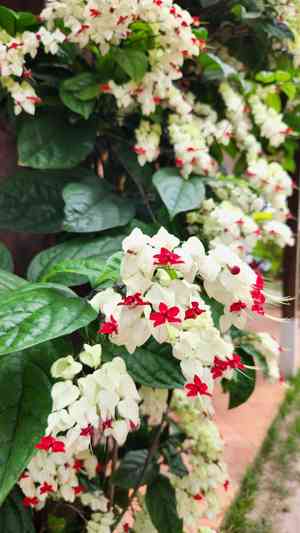
1
The Bleeding-heart vine thrives in soil with a pH ranging from slightly acidic to neutral, specifically 6.5-7.5.
2
Effective drainage is essential for Bleeding-heart vine to avoid the development of root rot.
3
Incorporating organic materials such as compost can greatly improve the soil's richness for Bleeding-heart vine.
Ideal Soil Type for Bleeding-heart Vine Cultivation
Soil Structure and Ingredients
For a flourishing Bleeding-heart vine, the soil must possess an appropriate structure and material blend. These climbers thrive in loamy soils, which feature a balanced combination of sand, silt, and clay. Loamy compositions are perfect as they retain adequate moisture while facilitating good drainage, thereby preventing root saturation. The presence of organic matter is also vital, enriching the soil with necessary plant nutrients. Overly sandy soils drain too rapidly and dry out quickly, while dense clay soils can cause poor drainage and root decay. A proper equilibrium of these components ensures the Bleeding-heart vine receives suitable air circulation and moisture.
Soil pH Requirements
Soil pH significantly impacts the vitality of your Bleeding-heart vine. These plants prosper within a slightly acidic to neutral pH range of 6.5 to 7.5. Maintaining this specific pH is crucial as it influences the plant's capacity to absorb nutrients. If the pH is too low (acidic) or excessively high (alkaline), it can impede nutrient assimilation, leading to diminished growth or nutritional scarcities. Consistent soil pH testing and subsequent adjustments guarantee the plant remains healthy and vigorous.
How to Prepare Soil for Bleeding-heart Vine Planting
Steps for Soil Preparation
Preparing the planting medium for Bleeding-heart vine involves several crucial actions. Begin by clearing the area of any unwanted debris, weeds, or old plant residue. Loosen the ground to a depth of roughly 30 cm (12 inches) to encourage robust root penetration. Incorporate organic compost to improve soil fertility and consistency. If the soil is dense clay, add coarse sand or perlite to enhance water flow. For sandy soils, mixing in organic material will aid in moisture retention. Ensure the soil is damp but not waterlogged before planting.
Optimal Soil Enhancements to Employ
Utilizing the correct soil additives is paramount for establishing prime growing conditions for Bleeding-heart vine. Organic compost is among the finest amendments; it boosts fertility, drainage, and soil structure. Well-aged manure can also be used, providing a slow-release source of nutrients. For soils requiring better aeration and drainage, vermiculite or perlite can be incorporated. Furthermore, adding a balanced fertilizer during the initial planting process can stimulate the early development of the Bleeding-heart vine.
Ensuring Adequate Drainage for Bleeding-heart Vine
The Importance of Effective Drainage
Effective drainage is fundamental for the well-being of Bleeding-heart vine. Without sufficient drainage, the roots can become waterlogged, leading to root rot and other fungal diseases. Properly draining soil prevents these problems by allowing excess water to escape, ensuring that the roots stay healthy and can efficiently absorb oxygen and nutrients. Plants in poorly drained soil may exhibit signs of stress, such as yellowing foliage and inhibited growth.
Methods for Improving Drainage
Enhancing soil drainage can be accomplished through several techniques. Elevated garden beds can assist by enabling surplus water to flow away from the root system. Incorporating coarse sand, gravel, or perlite into the soil can also boost drainage. Ensure planting locations have appropriate slopes or utilize drainage pipes to divert extra water from the root area. Regular checks of the soil's moisture level before watering prevent overwatering, a frequent cause of inadequate drainage issues.
Common Soil Issues and Resolutions for Bleeding-heart Vine
Recognizing Soil Compaction
Soil compaction is a frequent issue that can hinder the development of Bleeding-heart vine. Compressed soil restricts root expansion and diminishes the infiltration of air and water. Indicators of soil compaction include poor plant vigor, yellowing leaves, and standing water after irrigation or rainfall. To detect compaction, use a soil probe or dig a small hole to assess the soil's density. If resistance is high, compaction is likely present.
Addressing Nutritional Deficiencies
Nutritional deficiencies can severely impact the vitality of Bleeding-heart vine. Typical symptoms include yellowing foliage, stunted development, and sparse flowering. Performing a soil analysis can help identify specific nutrient shortages. Depending on the deficit, you can enrich the soil with organic compost, balanced fertilizers, or targeted nutrient supplements such as iron or magnesium. Consistent monitoring of the plant's condition and adjusting soil treatment accordingly ensures optimal growth and vibrant blossoms.



