Optimal Soil for Growing Garden mum: What You Need to Know
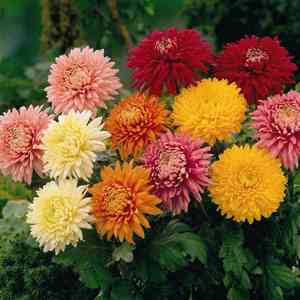
1
Garden mums flourish in rich, well-aerated soil that drains freely to avoid root decay.
2
Keeping the soil's acidity between 6.5 and 7.5 is vital for your Garden mum's vigor and nutrient absorption.
3
Incorporating organic materials, like compost, improves soil quality and encourages strong Garden mum development.
What Type of Growing Medium is Best for Garden mum?
Balanced Growing Medium
For Garden mum, a balanced growing medium is optimal. This soil type features an ideal blend of sand, silt, and clay, creating a perfect setting for root access to water, nutrients, and air. It facilitates better moisture retention without becoming saturated, giving the Garden mum necessary hydration while preventing root decay.
Effective Drainage Qualities
Soil that drains well is essential for the vitality of Garden mum. Inadequate drainage can lead to waterlogged roots, a frequent cause of root rot. Ensure your growing medium allows surplus water to pass through with ease. You can improve drainage by incorporating sand or gravel, especially if your garden contains heavy clay.
Nutrient-Rich Composition
A nutrient-dense growing medium is another vital element for cultivating flourishing Garden mum. Enhance your soil with organic substances such as compost or well-rotted manure. These components not only supply key nutrients but also promote a healthy soil structure, thereby supporting robust root development and overall plant vigor.
How to Prepare Growing Medium for Garden mum Planting
Assessing Soil pH
Prior to planting your Garden mum, it's vital to assess your soil's pH level. The optimal pH range for Garden mum is between 6.5 and 7.5. You can utilize a home soil analysis kit or send a sample to a local lab for evaluation. Adjusting your soil to this pH ensures nutrients are readily available to your plants.
Enriching Soil with Organic Matter
Incorporating organic material into your soil can significantly benefit Garden mum growth. Mix in compost, leaf mold, or aged manure into the planting area to boost soil fertility. Organic matter improves soil structure, provides essential nutrients, and aids in moisture retention, giving your Garden mum the best chance to flourish.
Enhancing Soil Aeration
Soil aeration is critical to prevent compaction and allow roots to breathe. You can improve soil aeration by lightly tilling the ground or adding amendments like perlite or vermiculite. These materials help keep the soil loose and airy, which is especially important in areas with dense clay soil.
How Does Soil pH Influence Garden mum Development?
Ideal pH Spectrum
The perfect pH spectrum for Garden mum is between 6.5 and 7.5. Within this range, vital nutrients like nitrogen, phosphorus, and potassium are most accessible to the plant. If the soil pH is too high or too low, nutrient uptake can be hindered, leading to stunted growth and reduced blooming.
Methods to Modify Soil pH
If your soil's pH falls outside the ideal range, you can take steps to correct it. To increase the pH of acidic soil, you can add lime. To decrease the pH of alkaline soil, sulfur or peat moss can be introduced. Always re-evaluate the soil after amendments to confirm the desired pH level has been achieved.
Can Soil Types Affect Pest Presence in Garden mum?
Typical Soil-Dwelling Pests
Certain soil types can be more prone to hosting pests that impact Garden mum. Damp, poorly-drained soils are particularly susceptible to issues such as root-knot nematodes and fungal infections. These pests can significantly harm plant health and growth, so vigilance is crucial.
Proactive Prevention Steps
To minimize the risk of pest infestations, consistent soil care is essential. Implement crop rotation, avoid overwatering, and ensure adequate drainage to deter pests. Additionally, introducing beneficial nematodes or applying organic pesticides can effectively manage populations of soil-borne pests.
How to Maintain Growing Medium Health for Garden mum
Frequent Soil Analysis
Regular soil analysis is a proactive method for preserving the health of your Garden mum's growing medium. Annual tests can help monitor pH levels and nutrient availability, enabling timely adjustments to keep your soil in optimal condition. Use home testing kits or professional soil services for precise results.
Seasonal Soil Adjustments
Seasonal soil amendments are vital for replenishing soil nutrients and maintaining a balanced soil structure. In spring, integrate compost or a slow-release fertilizer to supply essential nutrients. In the fall, consider adding leaf mold or organic mulch to safeguard the soil and prepare it for the subsequent growing season.
Application of Mulch
Using mulch is a beneficial practice for soil health. A layer of mulch helps retain soil moisture, stabilize soil temperature, and inhibit weed growth. Organic mulches, such as wood chips or straw, also decompose over time, adding valuable organic matter to the soil and improving its overall structure.



