Optimal Soil for Growing Red valerian: What You Need to Know
1
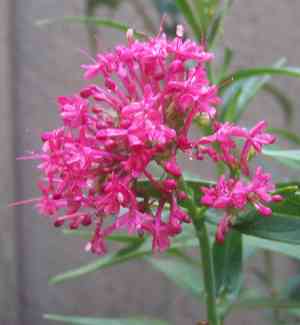
Red valerian flourishes in soil that drains effectively and possesses average richness.
2
This resilient flora is capable of adjusting to diverse ground compositions, even those that are stony or nutrient-deficient.
3
Sustaining a soil pH between 6.5 and 7.5 guarantees the best nutrient uptake for Red valerian.
Optimal Soil for Red Valerian
Soil Texture
Red valerian thrives in light, sandy soils that permit excellent drainage. While it can endure heavier garden soils, the main goal is to prevent water from accumulating around its roots. Sandy loam is ideal, offering a good balance of moisture retention and proper drainage, fostering robust plant growth.
Soil Composition
Red valerian benefits from soil rich in organic matter. Incorporating compost or well-rotted manure can boost soil fertility without making it too dense. This not only supplies vital nutrients but also enhances soil structure, making it more crumbly and easier for roots to penetrate. Annual compost application ensures ongoing fertility.
Soil pH Levels
The best soil pH for Red valerian ranges from 6.5 to 7.5, which is slightly acidic to neutral. Using a home testing kit or professional service can help determine if adjustments are needed. If the pH is too low (acidic), consider adding lime to raise it. Conversely, if the pH is too high (alkaline), sulfur or peat moss can help lower it.
Preparing Soil for Red Valerian Planting
Amending Soil
To prepare soil for Red valerian, begin by loosening it to a depth of approximately 30 cm (12 inches). If your soil is heavy clay, consider mixing in sand or perlite to enhance drainage. Organic amendments like compost or aged manure should also be incorporated to enrich the soil. Aim for a 50-50 blend of native soil and organic matter for optimal results.
Drainage Requirements
Red valerian cannot withstand standing water, so ensuring good drainage is crucial. Create raised beds in areas with poor drainage. Additionally, you can place gravel or broken pottery pieces at the bottom of the planting hole to improve water flow. This practice prevents root rot and supports healthy root development.
Nutrient Requirements
Although Red valerian isn't highly demanding regarding nutrients, applying a balanced, slow-release fertilizer at the start of the growing season can encourage vigorous growth and abundant blooms. Nitrogen should be provided in moderate amounts, as excessive nitrogen might lead to lush foliage at the expense of flowers. A balanced fertilizer like 10-10-10 (N-P-K) is generally sufficient.
Red Valerian's Tolerance for Poor Soil
Adaptability to Soil Types
Red valerian is remarkably versatile and can grow in various soil types, including sandy, rocky, and loamy soils. Its deep root system allows it to access nutrients and moisture even in less fertile conditions. This adaptability makes it a flexible choice for diverse garden landscapes.
Survival in Rocky Soil
A notable characteristic of Red valerian is its capacity to flourish in rocky soil. Such conditions mimic its natural Mediterranean habitat, where soil is often shallow and nutrient-poor. When cultivated in rock gardens or along stone walls, the plant not only survives but thrives, adding vibrant color with minimal upkeep.
Maintaining Healthy Soil for Red Valerian
Regular Soil Testing
To maintain healthy soil, it's essential to test your soil regularly, ideally every couple of years. Soil testing kits can help assess pH levels, nutrient content, and other vital factors. Based on the results, adjust your soil amendments accordingly to keep the soil environment optimal for Red valerian's growth.
Organic Mulching
Applying a layer of organic mulch around the base of Red valerian can help retain soil moisture, suppress weed growth, and add nutrients as it decomposes. Materials like straw, wood chips, or compost are excellent choices. Aim for a mulch depth of about 5 cm (2 inches), keeping it clear of the plant stem to prevent rot.
Avoiding Soil Compaction
Soil compaction can impede root growth and reduce soil aeration. To prevent compacting the soil, minimize walking on garden beds and use garden tools carefully. Aerating the soil by gently loosening it with a garden fork can improve root oxygenation and overall plant health.



