Optimal Soil for Growing Crimson fountain grass: What You Need to Know
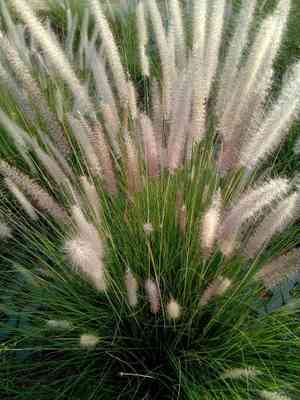
1
Crimson fountain grass flourishes most effectively in soil with a pH range of 6.5 to 7.5.
2
Adequate soil drainage is essential for Crimson fountain grass to avoid root decay.
3
Adding organic material to the soil can improve its nutritional value and overall composition.
What Soil Type is Ideal for Crimson fountain grass?
Sandy Loam
For optimal growth of Crimson fountain grass, sandy loam is the premier choice. This soil type expertly balances water retention with effective drainage, creating an ideal environment for the grass to flourish. Its loose texture promotes easy root expansion, facilitating robust plant development.
Well-Draining Properties
Crimson fountain grass requires soil with excellent drainage. This prevents water from accumulating around the root system, which can cause root rot. To improve drainage, consider blending in sand or small gravel. This helps maintain a crucial balance between moisture and dryness for healthy roots.
Nutrient Composition
Crimson fountain grass thrives in soil abundant with vital nutrients. Enhance the soil's nutrient content by adding organic materials like compost or aged manure. This grass prefers moderate fertility; avoid excessively rich soils that might encourage too much foliage at the expense of bloom production.
How to Test Soil Quality for Crimson fountain grass
pH Level Tests
Determining your soil's pH level is essential for ensuring it suits Crimson fountain grass. Aim for a pH between 6.5 and 7.5. You can buy a pH test kit from a garden store to check this. Modify the soil pH by adding lime to increase it or sulfur to decrease it, according to your results.
Drainage Tests
Performing a drainage test will reveal if your soil drains adequately. This is easily done by digging a small hole and filling it with water. Observe the time it takes for the water to dissipate. Ideally, drainage should occur within a few hours. Slow drainage suggests the need to amend the soil with sand or organic material to boost its permeability.
Nutrient Tests
Nutrient analysis will show if your soil possesses the necessary elements for peak plant health. Soil testing kits are available to measure nitrogen, phosphorus, and potassium levels. Based on the findings, you can adjust your soil's nutrient profile by applying targeted fertilizers or specific organic compounds to provide a balanced nutrient supply.
Soil Amendments for Crimson fountain grass
Organic Matter
Organic matter, such as peat moss or well-rotted manure, improves soil structure and provides crucial nutrients. Incorporating organic material enhances soil aeration and moisture retention, which benefits Crimson fountain grass. Aim to mix a layer of organic material into the top 15-20 cm (6-8 inches) of soil prior to planting.
Compost Integration
Mixing compost into your soil is an excellent method to boost fertility and enhance soil structure. Compost delivers vital nutrients and beneficial microorganisms that support plant well-being. Blend compost thoroughly into the soil to a depth of 15-20 cm (6-8 inches) for best outcomes.
Sand Addition
To improve soil drainage, consider adding sand. A mixture of about 20-30% sand with your existing soil can significantly enhance its drainage capabilities. This helps prevent waterlogging, ensuring Crimson fountain grass roots remain healthy and well-oxygenated.
How does Soil Affect the Growth of Crimson fountain grass?
Root Development
Healthy soil is critical for robust root development in Crimson fountain grass. Loose, well-aerated soil permits roots to penetrate deeply and spread widely, which is fundamental for overall plant stability and nutrient absorption. Well-developed roots also increase the grass's resistance to drought and other stressors.
Water Retention and Drainage Balance
Achieving the right balance between water retention and drainage in the soil is crucial for Crimson fountain grass. While adequate moisture is necessary for thriving, excessively waterlogged soil can be harmful. Properly modified soil ensures excess water drains away while retaining sufficient moisture for root uptake.
Nutrient Absorption
Soil quality profoundly influences the efficiency of nutrient absorption by Crimson fountain grass. Nutrient-rich, well-structured soil promotes effective nutrient uptake by the roots, supporting vigorous growth and vibrant foliage. Regular amendments with organic matter and fertilizers ensure a steady supply of essential nutrients to the grass.
Common Soil Problems and Solutions for Crimson fountain grass
Soil Compaction
Compacted soil restricts root growth and reduces air circulation, leading to poor plant health. To alleviate compaction, routinely aerate the soil using a garden fork or aerator. Incorporate organic matter to improve soil structure and prevent future compaction.
Poor Drainage
Inadequate drainage can cause root rot and other health problems for Crimson fountain grass. To remedy this, enhance the soil's drainage by adding sand or perlite. Raised garden beds or installing drainage systems can also help manage areas prone to waterlogging.
Nutrient Deficiencies
Nutrient deficiencies manifest as stunted growth, yellowing leaves, and poor flowering. Conduct regular soil tests to pinpoint missing nutrients. Address these deficiencies by applying balanced fertilizers or incorporating nutrient-dense organic matter, ensuring even distribution throughout the soil.



