Optimal Soil for Growing Plumed cockscomb: What You Need to Know
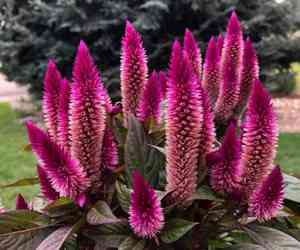
1
Plumed cockscomb flourishes in well-aerated, loamy earth with a pH range of 6.5 to 7.5.
2
Enhancing drainage and nutrient content in the soil is vital for Plumed cockscomb's best development.
3
Consistent soil analysis assists in preserving the perfect ground environment for Plumed cockscomb.
What Soil Type is Ideal for Plumed cockscomb?
Loamy Soil Characteristics
Loamy soil is frequently considered the best option for Plumed cockscomb. This soil type features a balanced mix of sand, silt, and clay, providing a medium that drains well yet is rich in nutrients. The structure of loamy soil facilitates efficient air circulation around the root system, fostering robust development. Furthermore, its capacity to hold moisture without becoming oversaturated makes it perfect for plants needing consistent hydration, such as Plumed cockscomb.
Sandy Soil Attributes
Sandy soil is recognized for its superior drainage capabilities, which can be advantageous for Plumed cockscomb. However, sandy soil may require more frequent irrigation and nutrient additions as it does not retain nutrients as effectively as loamy soil. If utilizing sandy soil, enrich it with organic matter like compost to boost fertility and improve moisture retention, ensuring your Plumed cockscomb receives the necessary nutrients for vigorous growth.
Clay Soil Suitability
Clay soil, characterized by its dense, fine particles, is less suitable for Plumed cockscomb because it can hold too much water and impede root development. Nevertheless, amending clay soil with organic matter such as compost or peat moss can enhance its structure, improving aeration and drainage. This modification can help establish a more favorable environment for Plumed cockscomb's growth, promoting strong root systems and healthier plants overall.
How to Amend Soil for Plumed cockscomb?
Improving Drainage
Enhancing soil drainage is vital for the well-being of Plumed cockscomb. An effective method to improve drainage involves incorporating coarse sand or perlite into the soil. These components help to break up compacted soil, allowing water to pass through more freely and preventing root rot. Additionally, cultivating Plumed cockscomb in elevated garden beds can further improve drainage by lifting the root zone above saturated soil.
Enhancing Soil Fertility
To boost your soil's fertility, it's crucial to regularly add organic materials like compost or well-rotted manure. These additions not only supply essential nutrients but also enhance soil structure and water retention. A balanced fertilizer, containing equal amounts of nitrogen, phosphorus, and potassium, can also be applied during the growing season to support the vigorous growth and vibrant flowers of Plumed cockscomb.
Balancing Soil pH
Maintaining a soil pH between 6.5 and 7.5 is optimal for Plumed cockscomb. To adjust soil pH, conduct a soil test and make modifications as needed. If the pH is excessively low (acidic), adding lime can raise it. Conversely, if the pH is too high (alkaline), using sulfur or peat moss can help reduce it. Consistent pH testing ensures your soil remains within the ideal range, providing the correct environment for your Plumed cockscomb to absorb nutrients efficiently.
What Are the Soil Nutrient Needs for Plumed cockscomb?
Essential Nutrients
Plumed cockscomb requires various vital nutrients for optimal growth, including nitrogen for leaf development, phosphorus for root establishment, and potassium for overall plant vitality. Micronutrients such as calcium, magnesium, and iron also play a significant role in maintaining the plant's health. Ensuring your soil contains these nutrients is critical, and consistent fertilization can help fulfill these requirements.
Organic Matter Importance
Integrating organic matter into the soil is crucial for the robust growth of Plumed cockscomb. Organic matter improves soil structure, encourages beneficial microbial activity, and boosts nutrient availability. Adding compost, leaf mold, or well-rotted manure can enrich the soil, providing the Plumed cockscomb with a consistent supply of nutrients and aiding in moisture retention around the root zone.
How to Maintain Optimal Soil Conditions for Plumed cockscomb?
Regular Soil Testing
Routine soil testing is indispensable for preserving optimal soil conditions for Plumed cockscomb. Periodic analyses help you monitor soil pH, nutrient levels, and general soil health, enabling you to make informed choices regarding soil amendments. Home test kits are available, or you can submit samples to a local extension service for comprehensive analysis and personalized recommendations.
Proper Watering Techniques
Appropriate watering is fundamental for maintaining healthy soil for Plumed cockscomb. Irrigate your plants deeply but infrequently, ensuring the soil is moist but not waterlogged. Applying mulch around the plant bases can help retain moisture and reduce the need for frequent watering. Avoid overhead irrigation to minimize the risk of fungal diseases; instead, water at the plant's base using a soaker hose or drip irrigation system.
Mulching Benefits
Mulching offers numerous advantages for sustaining ideal soil conditions for Plumed cockscomb. Applying a layer of mulch around your plants aids in retaining soil moisture, regulating temperature, and diminishing weed competition. Organic mulches such as straw, bark chips, or shredded leaves also decompose over time, contributing valuable organic matter to the soil and improving its overall health and fertility.



