Optimal Soil for Growing Crimson cattleya: What You Need to Know
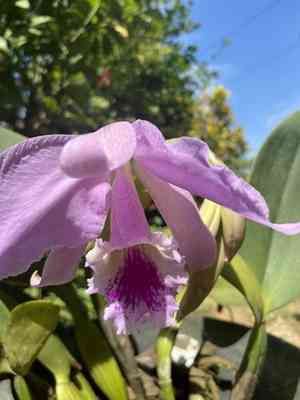
1
Provide your Crimson cattleya with a substrate that drains effectively to avoid root decay, a frequent problem in orchid cultivation.
2
Crimson cattleya thrives in a mildly acidic growing medium, with a pH range of 5.5 to 6.5, which aids in nutrient uptake.
3
Transplanting your Crimson cattleya annually or biennially guarantees new, airy soil and prevents soil compression, which can impede root development.
What are the Substrate Requirements for Crimson cattleya?
Drainage Needs
Proper drainage is crucial for the well-being of your Crimson cattleya. These orchids are epiphytic, meaning they naturally grow on other plants, not in soil. Thus, they require excellent drainage to mimic their natural habitat. Without adequate drainage, water can accumulate around the roots, leading to decay. Utilizing pots with numerous drainage holes and a substrate that permits rapid water flow can help maintain your orchid's health.
pH Level Preferences
The Crimson cattleya thrives best in a slightly acidic environment, with a substrate pH ranging from 5.5 to 6.5. This pH range ensures the orchid can efficiently absorb vital nutrients. You can assess your substrate using a pH meter or a pH testing kit available at garden centers. If the pH is too high, you can reduce it by adding elements like sulfur or using a specialized orchid fertilizer designed to maintain the correct pH balance.
Nutrient Content
While Crimson cattleya orchids do not demand overly rich substrate, they do benefit from a mix that offers some nutritional content. Organic matter such as decomposed bark and charcoal can provide a steady release of nutrients. Occasional feeding with a balanced, water-soluble orchid fertilizer during the active growth period (spring and summer) will support vigorous growth and flowering.
Which Substrate Components are Best for Crimson cattleya?
Bark and Charcoal
Bark, especially from fir or pine, serves as an excellent base for orchid mixes due to its texture and airy composition. Adding charcoal helps keep the mix fresh by absorbing impurities and preventing the accumulation of harmful substances. A blend of medium-sized bark pieces and charcoal will create an ideal environment for your orchid's roots, offering both aeration and slight moisture retention.
Perlite and Sphagnum Moss
Perlite, a lightweight volcanic rock, is beneficial for enhancing substrate aeration and drainage. Combining it with sphagnum moss, which retains moisture without waterlogging the roots, ensures a balanced growing medium. This combination is excellent for maintaining the delicate moisture equilibrium that Crimson cattleya orchids require.
Coconut Husk Chips
Coconut husk chips are gaining popularity among orchid cultivators. They provide a similar texture and nutrient profile to bark but tend to hold moisture slightly longer. This makes them a great alternative, particularly in drier climates. The chips also decompose more slowly, offering a longer-lasting growing medium compared to other organic options.
How to Prepare the Ideal Substrate Mix for Crimson cattleya?
Collecting Materials
Begin by gathering all necessary components: medium-sized bark pieces, charcoal, perlite, and sphagnum moss or coconut husk chips. Ensure each ingredient is clean and free from pests or diseases. If using pre-packaged orchid mix from a garden center, verify that it contains these elements in a balanced proportion.
Mixing the Components
Create your substrate mix by combining the bark, charcoal, and perlite in equal parts, then incorporating sphagnum moss or coconut husk chips into the blend. Adjust the ratios based on your specific growing conditions; for instance, add more perlite if you need increased drainage, or sphagnum moss for better moisture retention. Mix the components thoroughly to ensure even distribution.
Tips for Layering
When potting your Crimson cattleya, start by placing a layer of larger bark pieces or clay pellets at the bottom of the pot for enhanced drainage. Follow this with your prepared substrate mix, gently positioning the orchid’s roots among the materials. Avoid compacting the mix; it should remain airy to facilitate root respiration.
How Often Should You Repot Crimson cattleya?
Signs It’s Time to Repot
Look for these indicators that suggest it’s time to repot your Crimson cattleya: visible root overgrowth beyond the pot, the substrate breaking down and becoming dense, or the plant becoming top-heavy and unstable. Generally, repotting every 1-2 years helps maintain optimal growing conditions and prevents issues like root decay and nutrient deficiencies.
Best Time of Year for Repotting
The optimal time to repot your Crimson cattleya is during its active growth phase, typically in spring after flowering. Repotting during this period allows the orchid to recover quickly from any root disturbance and to benefit from the growing season's favorable conditions.
Common Substrate Problems and Solutions for Crimson cattleya
Identifying Substrate Compaction Issues
Substrate compaction can hinder root development and reduce aeration, leading to poor plant health. If you observe the substrate becoming dense and hard, it’s a clear sign that the components are breaking down and compacting. Repotting with fresh, airy substrate mix will resolve this issue and revitalize your orchid.
Dealing with Substrate pH Imbalance
A pH imbalance can impede nutrient absorption. Regularly test your substrate’s pH and adjust it as necessary. If your substrate is too alkaline (above 6.5), you can lower the pH by incorporating organic materials like sphagnum moss or using a diluted solution of vinegar and water. Conversely, if it’s too acidic, adding lime can help raise the pH.
Preventing Root Rot
Root rot is often caused by excessive water retention and inadequate drainage. To prevent this, always use a well-draining substrate mix and avoid overwatering. Ensure your pot has sufficient drainage holes and allow the top layer of substrate to dry out before watering again. If you detect root rot early, trim the affected roots and repot the orchid in fresh, dry substrate.



