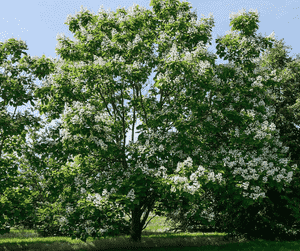
Optimal Soil for Growing Northern catalpa: What You Need to Know
1
Northern catalpa thrives in soil that drains effectively, with a pH range of 6.5 to 8.
2
Analyzing your soil prior to planting assists in establishing ideal conditions for Northern catalpa.
3
Consistent mulching and appropriate nutrient application can greatly enhance soil quality over time.
Optimal Soil Type for Northern Catalpa
Soil Makeup
For optimal growth, Northern catalpa trees prefer soil abundant in organic material. This enriches the earth and supplies crucial nutrients for the tree's development. A blend of loamy soil, which combines sand, silt, and clay, typically works well. Loamy soil offers excellent balance by retaining necessary moisture while facilitating proper drainage. If your garden's soil is heavy in clay, enriching it with compost or well-rotted manure can make it more suitable for the Northern catalpa.
pH Level
Northern catalpa trees flourish in slightly acidic to neutral soil, with a pH range of 6.5 to 8. It's essential to assess your soil's pH levels prior to planting. Should your soil be excessively acidic (below 6.5), you can elevate the pH by incorporating lime. Conversely, if the soil is too alkaline (above 8), sulfur or peat moss can help reduce the pH to more appropriate levels.
Drainage
Effective drainage is vital for Northern catalpa. The roots of this tree prefer to remain moist, but they should not sit in waterlogged soil, as this can cause root rot. To enhance drainage, you can mix sand or gravel into the soil. Performing a drainage test by digging a hole and filling it with water can help you determine how quickly your soil dries. If the water dissipates within a few hours, your soil should be adequate.
Preparing Soil for Northern Catalpa Planting
Soil Analysis
Before planting your Northern catalpa, analyze your soil to understand its current state. Soil testing kits are readily available at garden centers and can provide valuable data on pH levels, nutrient content, and more. Follow the instructions to gather soil samples and submit them to a lab if a detailed analysis is required.
Soil Amendments
Once you have your soil test results, you can modify your soil accordingly. For instance, if your soil lacks organic matter, adding compost or aged manure can improve its quality. Lime or sulfur can be incorporated to adjust pH levels, while specific fertilizers can replenish any deficient nutrients. Proper soil preparation is fundamental to cultivating a healthy Northern catalpa.
Required Tools
To prepare the soil for your Northern catalpa, you'll need a few essential implements: a soil testing kit, a spade or garden fork for turning the soil, a wheelbarrow for transporting organic material, and a rake for leveling the soil. Ensure your tools are clean and in good working order to facilitate a smooth preparation process.
Maintaining Soil Health for Northern Catalpa
Mulching
Applying mulch around the base of your Northern catalpa can help retain soil moisture and temperature, suppress weeds, and contribute organic matter as it breaks down. Use materials like wood chips, straw, or composted leaves. Spread a 5-10 cm (2-4 inch) layer of mulch, ensuring to leave some space around the trunk to prevent rot.
Fertilization
To keep your Northern catalpa thriving, you may need to fertilize the soil periodically. A balanced, slow-release fertilizer applied in the spring can provide a consistent supply of nutrients. Organic options, such as compost or fish emulsion, are also beneficial and eco-friendly.
Monitoring Soil Moisture
Consistent moisture is crucial for the growth of Northern catalpa. Regularly check the soil moisture by inserting your fingers or using a moisture meter. Water the tree deeply when the top 2-3 cm (1 inch) of soil feels dry. Be careful not to overwater, as this can lead to root problems.
Common Soil Issues for Northern Catalpa and Solutions
Soil Compaction
Soil compaction can impede root growth and water penetration. To alleviate compaction, aerate the soil around your Northern catalpa using a garden fork or an aerator. Adding organic matter can also help improve soil structure and prevent future compaction.
Nutrient Deficiency
If your Northern catalpa exhibits signs of nutrient deficiency, such as yellowing leaves or stunted growth, a targeted approach is necessary. Based on soil test results, apply specific fertilizers to address deficiencies. For instance, a nitrogen deficiency can be corrected with a high-nitrogen fertilizer like blood meal or a balanced synthetic option.
Soil Pest Infestation
Pests like grubs or root weevils can harm Northern catalpa roots. Regularly inspect the soil and plant for signs of pests. Organic methods such as beneficial nematodes or diatomaceous earth can effectively manage soil-dwelling pests. Chemical treatments are available but should be considered a last resort.



