Optimal Soil for Growing Pignut hickory: What You Need to Know
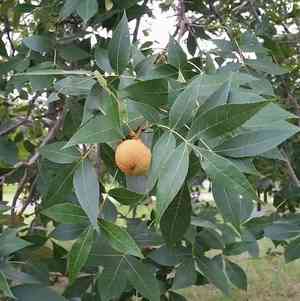
1
Pignut hickory flourishes in soils that drain well, are slightly acidic to mildly alkaline, and have a pH between 6.5 and 8.
2
Routine soil analysis can pinpoint nutrient shortages that, once addressed, will foster robust Pignut hickory development.
3
Compressed soil can deprive roots of oxygen, making soil aeration vital, particularly prior to planting Pignut hickory.
What Soil Conditions Does Pignut Hickory Require?
Optimal Soil Makeup
Pignut hickory adapts well but thrives best in specific soil types. For peak development, the soil should drain effectively and be rich in organic material. Loamy soil, a balanced mix of sand, silt, and clay, is perfect. This blend ensures good air circulation and moisture retention, both vital for robust root growth. Incorporating compost can also boost soil fertility and structure, especially in sandy or clay-heavy soils.
Preferred pH Levels
Soil pH significantly impacts plant health. Pignut hickory flourishes in slightly acidic to moderately alkaline soils, within a pH range of 6.5 to 8. Regular pH checks ensure it stays within this zone. If your soil is too acidic (below 6.5), adding lime can increase the pH. Conversely, if it's too alkaline (above 8), sulfur or organic mulches can help lower it.
Drainage Requirements
Excellent drainage is crucial for Pignut hickory, as it's prone to root rot in waterlogged conditions. Ensure your planting spot has well-draining soil for healthy roots. If natural drainage is poor, consider building raised beds or amending the soil with sand and organic matter to improve it. Checking the soil after rain helps assess water percolation.
How to Test and Modify Soil for Pignut Hickory
Soil Testing Approaches
Before making changes, understanding your soil's current state is key. Home testing kits offer an accessible way to measure pH, nutrient levels, and texture. For more accurate results, send a soil sample to a local extension service or commercial lab. These tests provide detailed reports, including pH, nutrient deficiencies, and amendment recommendations.
Adjusting Soil pH
Once your soil's pH is known, you can adjust it if necessary. If the soil is overly acidic, applying agricultural lime can raise the pH. Use recommended amounts and retest after a few months. For alkaline soils, incorporating organic matter like peat moss, compost, or pine needles can lower the pH. These amendments also enhance soil structure and fertility, benefiting the Pignut hickory's overall health.
Improving Soil Drainage
If your soil tends to hold water, enhancing its drainage capacity is essential. Mixing in coarse sand or organic matter such as compost can break up compacted soil and create more air pockets, improving drainage. Raised beds are another effective solution, allowing excess water to drain away from plant roots more efficiently.
Amending Soil Composition
To create the best growing environment for your Pignut hickory, consider enriching the soil with organic matter. Compost, well-rotted manure, and leaf mold can all enhance the soil by adding vital nutrients and improving its texture. Regular incorporation of these materials promotes microbial activity, which in turn boosts nutrient availability and better root growth.
Common Soil Issues and Solutions for Pignut Hickory
Compacted Soil
Compacted soil hinders root growth and limits water and nutrient uptake. To relieve compaction, aerate the soil before planting. This involves making small holes to allow air, water, and nutrients to penetrate deeper. Additionally, mulching helps maintain soil structure and prevents further compaction by reducing foot traffic and machinery use.
Waterlogged Soil
Persistent waterlogging can lead to root rot and other diseases. If your planting area is prone to waterlogging, consider installing a drainage system or choosing a different site. Enhancing the soil with materials like sand and organic matter can also help by improving its drainage properties.
Nutrient Deficiencies
A lack of essential nutrients can impede your Pignut hickory's growth and cause poor health. Regular soil testing can identify deficiencies. Key nutrients to monitor include nitrogen, phosphorus, and potassium. Depending on results, you may need to apply specific fertilizers or organic amendments to replenish the soil. For instance, composted manure is excellent for nitrogen, while bone meal boosts phosphorus.
Seasonal Soil Management for Pignut Hickory
Spring and Summer
During the active growing season, focus on maintaining ideal soil conditions for your Pignut hickory. Water the tree regularly, especially during dry periods, but avoid overwatering. Apply a balanced fertilizer in early spring to provide necessary nutrients. Mulching around the tree's base helps retain soil moisture and regulate temperature. Watch for compacted soil and aerate if needed to ensure roots can breathe.
Fall and Winter
As the tree enters dormancy, soil management practices change slightly. Continue to keep the area around your Pignut hickory clear of debris to deter pests. Fall is an ideal time to add organic matter like compost or leaf mold to the soil; it will decompose over winter, enriching the soil by spring. Protect the treeâs roots by applying a thick layer of mulch, which insulates against harsh winter temperatures.



