Optimal Soil for Growing Trumpet creeper: What You Need to Know
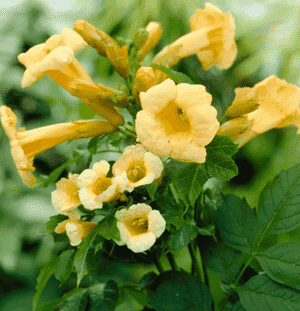
1
For optimal growth, Trumpet creeper prefers soil with a pH between 6.5 and 7.5.
2
Incorporating organic material into the earth notably enhances water flow and essential nutrient access.
3
Applying mulch assists in preserving soil hydration and warmth, promoting robust development for Trumpet creeper.
What is the Ideal Soil Composition for Trumpet creeper?
Balanced Soil Mix
The Trumpet creeper needs a well-balanced soil blend to flourish. This blend should feature a combination of sand, silt, and clay for effective water drainage while still holding enough moisture for plant uptake. A properly balanced soil mix supports the robust root system critical for optimal growth. When planting, aim for a blend of 40% sand, 40% silt, and 20% clay, achieving the perfect equilibrium for drainage and moisture retention.
Organic Matter Importance
Incorporating organic material into the soil is vital for the Trumpet creeper's well-being. Organic matter like compost, aged manure, or leaf mold enriches the soil with crucial nutrients, improves its structure, and boosts its capacity to retain moisture. Aim to mix organic matter into the top 15-20 centimeters (6-8 inches) of the soil. Doing so will create a fertile and welcoming environment for the roots, allowing the plant to establish swiftly and grow robustly.
How to Amend Soil for Trumpet creeper?
Improving Drainage
Proper drainage is crucial for the health of Trumpet creeper, as soggy soil can cause root rot. To enhance drainage, consider adding coarse sand or perlite to your soil blend. These additives increase the soil's porosity, enabling excess water to drain away from the roots. Furthermore, planting Trumpet creeper on a gentle slope or utilizing raised beds can further assist in preventing water accumulation around the plant's roots.
Nutrient Enrichment
Nutrient enhancement is vital for the vigorous growth of Trumpet creeper. To enrich the soil, integrate slow-release granular fertilizers or natural amendments such as bone meal or fish emulsion. These provide a consistent supply of nutrients like nitrogen, phosphorus, and potassium, essential for healthy foliage and vibrant blooms. It's also beneficial to regularly test your soil and adjust fertilization based on the plant's requirements and soil nutrient levels. Apply fertilizers in early spring to initiate the growing season.
What Soil pH is Best for Trumpet creeper?
Optimal pH Range
Trumpet creeper thrives in soil with a pH level between 6.5 and 7.5. This slightly acidic to neutral range enables the plant to efficiently absorb vital nutrients from the soil. Maintaining the correct pH is essential, as an imbalance can lead to nutrient deficiencies and negatively impact the plant's overall health.
Testing Soil pH
Checking your soil's pH is a simple procedure and can be accomplished using a pH testing kit found at most garden centers. Collect samples from various spots around your planting area for an accurate reading. Follow the kit's instructions, then compare the results to the Trumpet creeper's ideal pH range. Regular testing ensures you can make necessary adjustments and keep the pH level within the optimal range.
Adjusting Soil pH
Adjusting the soil pH to suit Trumpet creeper's needs requires careful attention. To raise the pH level (making it more alkaline), you can add lime to the soil. Conversely, to lower the pH level (making it more acidic), incorporating sulfur or organic matter such as pine needles or peat moss can be effective. Amend the soil gradually, re-testing the pH after each application to prevent over-adjustment. This method ensures a stable and favorable environment for your Trumpet creeper.
How to Ensure Proper Soil Moisture for Trumpet creeper?
Water Retention Techniques
Maintaining appropriate soil moisture is crucial for the healthy development of Trumpet creeper. An effective method for this is employing mulches and soil conditioners that improve water retention. Materials like compost, coconut coir, or specialized garden water retention crystals can be mixed into the soil to help it hold moisture more effectively. Additionally, applying mulch around the plant's base can lessen evaporation, keeping the soil consistently damp but not waterlogged.
Avoiding Overwatering
Excessive watering can harm the Trumpet creeper. To prevent this, water the plant deeply yet infrequently, allowing the top 5-7 centimeters (2-3 inches) of soil to dry out between watering sessions. This watering schedule promotes the growth of deep roots and lowers the risk of root rot. In hot, dry weather, slightly increase the frequency, but always check the soil's moisture level before watering to ensure you are not overdoing it.
What Type of Mulch is Best for Trumpet creeper?
Organic Mulch Benefits
Using organic mulch around your Trumpet creeper offers numerous advantages. Organic mulches such as wood chips, straw, or shredded leaves break down over time, enriching the soil with essential nutrients. They also help maintain soil moisture, moderate temperature fluctuations, and suppress weed growth. By creating a more stable and nutrient-rich environment, the mulch encourages stronger and healthier plants.
How to Apply Mulch
Applying mulch correctly is essential to maximize its benefits. Spread a layer of organic mulch approximately 5-10 centimeters (2-4 inches) thick around the base of the Trumpet creeper, extending to the drip line (the outermost edge of the plant's foliage). Ensure the mulch is kept a few centimeters (about 1 inch) away from the plant stem to prevent moisture buildup that could lead to stem rot. Replenish the mulch layer annually to maintain its effectiveness and continue to enhance soil quality.



