Optimal Soil for Growing Basket plant: What You Need to Know
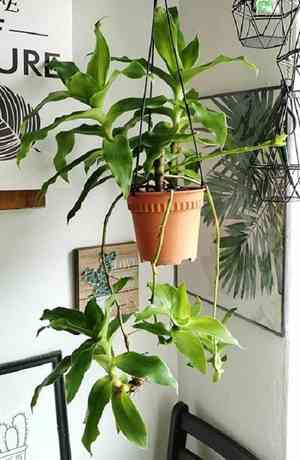
1
Basket plant flourishes optimally in soil with a pH between 6.5 and 7.5.
2
Confirm your soil blend allows for proper water runoff to avoid root decay in your Basket plant.
3
Periodically inspect for lack of nutrients to maintain your Basket plant's vibrancy and health.
Optimal Substrate Makeup for Basket Plant
Key Substrate Components
For a Basket plant, crucial substrate elements involve a mix of organic matter, such as compost or sphagnum moss, along with inorganic materials like perlite or grit. These components ensure the medium remains both nutrient-rich and free-draining. Organic matter aids in moisture retention, while inorganic parts improve aeration, preventing waterlogging.
Nutrient Requirements
Basket plants need a consistent supply of vital nutrients for healthy development. Key nutrients include nitrogen, phosphorus, and potassium, which can be supplied via balanced fertilizers. Regularly adding compost or well-rotted manure to your substrate can also provide a natural nutrient boost, fostering healthier foliage and stronger root systems.
Selecting the Appropriate Substrate for Basket Plant
Assessing Commercial Potting Substrates
When choosing a commercial potting substrate for your Basket plant, seek products labeled suitable for houseplants or container plants. These mixes typically offer the correct balance of nutrients and drainage. Verify the product description to ensure it contains peat moss for moisture retention and perlite or vermiculite to enhance drainage and air circulation.
Crafting a Custom Substrate Blend
Creating a personalized substrate blend allows you to customize the medium to meet your Basket plantâs specific requirements. A good mix can include: 2 parts peat moss or coco coir (for moisture retention) 1 part perlite or coarse sand (for drainage) 1 part compost (for nutrients) Combine these elements thoroughly to create a balanced and well-draining substrate for your Basket plant.
Common Substrate Issues and Solutions for Basket Plant
Poor Drainage
Inadequate substrate drainage is a frequent problem that can lead to root rot in Basket plant. To address this, ensure your substrate mix includes sufficient drainage materials like perlite or coarse sand. Additionally, always use containers with drainage holes and consider placing a layer of pebbles at the bottom to further improve excess water flow.
Nutrient Deficiencies
Nutrient deficiencies can appear as yellowing leaves or stunted growth in Basket plant. Consistently feeding your plant with a balanced liquid or slow-release fertilizer can help prevent this. Incorporating organic compost into the substrate can also provide a gradual, steady release of nutrients to support healthy plant development.
Maintaining Optimal Substrate Conditions for Basket Plant
Routine Substrate Analysis
Performing regular substrate tests helps monitor pH levels and nutrient availability in the medium. Aim for a pH range of 6.5 to 7.5 for Basket plant. Substrate testing kits are available at most garden centers and offer a straightforward way to ensure your medium remains in optimal condition. Adjustments can be made by adding lime to increase pH or sulfur to decrease it.
Amending Substrate Over Time
Over time, substrate can become compacted and depleted of nutrients. Periodically amending the medium with fresh compost or organic matter can revitalize its structure and fertility. This practice keeps the growing environment for your Basket plant healthy, promoting vigorous growth and blooming throughout the year.



