Optimal Soil for Growing Lady of the night: What You Need to Know
1
For your Lady of the night to flourish, target a soil pH range of 6.5 to 8 for best nutrient uptake.
2
Consistent soil analysis assists in monitoring nutrient content and pH equilibrium, guaranteeing your plants receive their precise requirements.
3
Prevent soil compression by routinely aerating your garden soilâthis enables roots to respire and promotes robust development.
Optimal Soil Type for Lady of the Night
Soil Makeup
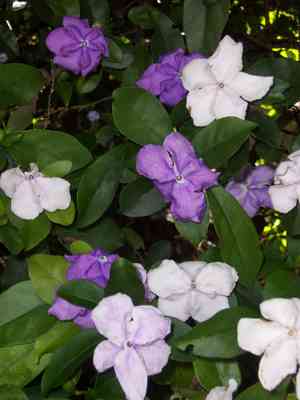
The ground composition for Lady of the night (Brunfelsia uniflora) is vital for its vitality and development. Perfect soil should be rich in organic matter and drain effectively. A suitable blend would include loamy soil mixed with compost, ensuring it holds moisture without becoming waterlogged. Sandy soil can also be advantageous, but it must be combined with organic materials to prevent overly rapid drainage, which could deprive the plant of crucial nutrients.
Optimal pH Levels
The Lady of the night thrives in slightly acidic to neutral soil, with a pH range of 6.5 to 8. Maintaining this pH level aids in proper nutrient absorption. You can assess soil pH using a simple testing kit from garden centers, and modify it by adding soil amendments like sulfur to decrease or lime to increase the pH.
Preparing Soil for Lady of the Night Planting
Soil Sterilization
Sterilizing soil is a key step to eliminate any pests, pathogens, and weeds that might harm your Lady of the night. You can sterilize soil by baking it at 180°F (82°C) for 30 minutes. For larger quantities, solarizationâusing clear plastic sheeting to capture solar energyâover several weeks during hot summer months can be effective.
Incorporating Organic Matter
Adding organic matter such as compost or well-rotted manure enriches the soil, providing nutrients and enhancing its structure. Aim to blend 2-3 inches (5-7.5 cm) of organic matter into the top 6 inches (15 cm) of soil. This practice ensures that the roots of your Lady of the night receive ample nutrients and promotes soil aeration.
Best Practices for Maintaining Soil Health
Regular Soil Analysis
Soil testing is crucial for monitoring nutrient levels and pH balance. Conduct a soil test at least once annually, ideally in spring, to determine if your soil requires amendments. Testing kits are commercially available, or you can send samples to a local extension service for a more thorough analysis.
Mulching and Composting
Mulching helps retain moisture, suppress weeds, and regulate soil temperature. Organic mulches like straw, leaves, or wood chips decompose over time, returning valuable nutrients to the soil. Composting provides a steady supply of nutrient-rich organic matter that boosts soil fertility. Apply 1-2 inches (2.5-5 cm) of mulch around the plant's base, avoiding direct contact with the stem.
Preventing Soil Compaction
Compacted soil hinders root growth and water penetration. Avoid working on wet soil and use raised beds or containers to prevent compaction. Regularly aerate the soil by lightly tilling or using an aerator, especially in high-traffic areas, to ensure the roots of your Lady of the night have sufficient space to expand.
Common Soil Issues for Lady of the Night
Drainage Problems
Poor drainage can lead to root rot and other fungal diseases. Ensure your soil drains well by adding sand or perlite if needed. Raised beds or mounds can also improve drainage and prevent water from pooling around the roots.
Nutrient Deficiencies
Typical nutrient deficiencies include shortages of nitrogen, potassium, and phosphorus. Symptoms like yellowing leaves, poor root development, or stunted growth are indicators. Address this by using balanced fertilizers or specific nutrient amendments based on your soil test results.
Pest Infestations
Pests such as nematodes can harm root systems, while soil-borne diseases can impede growth. Employ organic pest control methods like nematode-resistant plants, beneficial nematodes, or biological fungicides to keep soil pests in check.
Amending Soil for Lady of the Night
Improving Drainage
To enhance soil drainage, incorporate materials like coarse sand, perlite, or gravel. This ensures excess water moves away from the roots, preventing waterlogged conditions that can cause root rot.
Balancing Soil pH
Adjusting soil pH can be achieved by adding sulfur to decrease pH or lime to increase it. Follow product instructions carefully and re-test the soil after a few weeks to confirm you've reached the desired pH level.
Adding Fertilizers
Use a balanced, slow-release fertilizer to supply essential nutrients over time. Apply according to the manufacturer's recommendations, and reapply as needed to maintain healthy growth throughout the growing season.
Choosing the Right Potting Soil for Lady of the Night
Pre-Mixed Potting Soils
Pre-mixed potting soils specifically formulated for tropical plants offer a convenient option. These mixes often contain a blend of peat, compost, perlite, and sand to ensure good drainage and aeration.
DIY Potting Mix Recipes
For a more tailored approach, create your own potting mix using equal parts of peat moss, perlite or coarse sand, and compost. This homemade mix allows you to control the composition and ensure it meets the specific requirements of your Lady of the night.



